Last Updated on August 6, 2026 by Team TBH
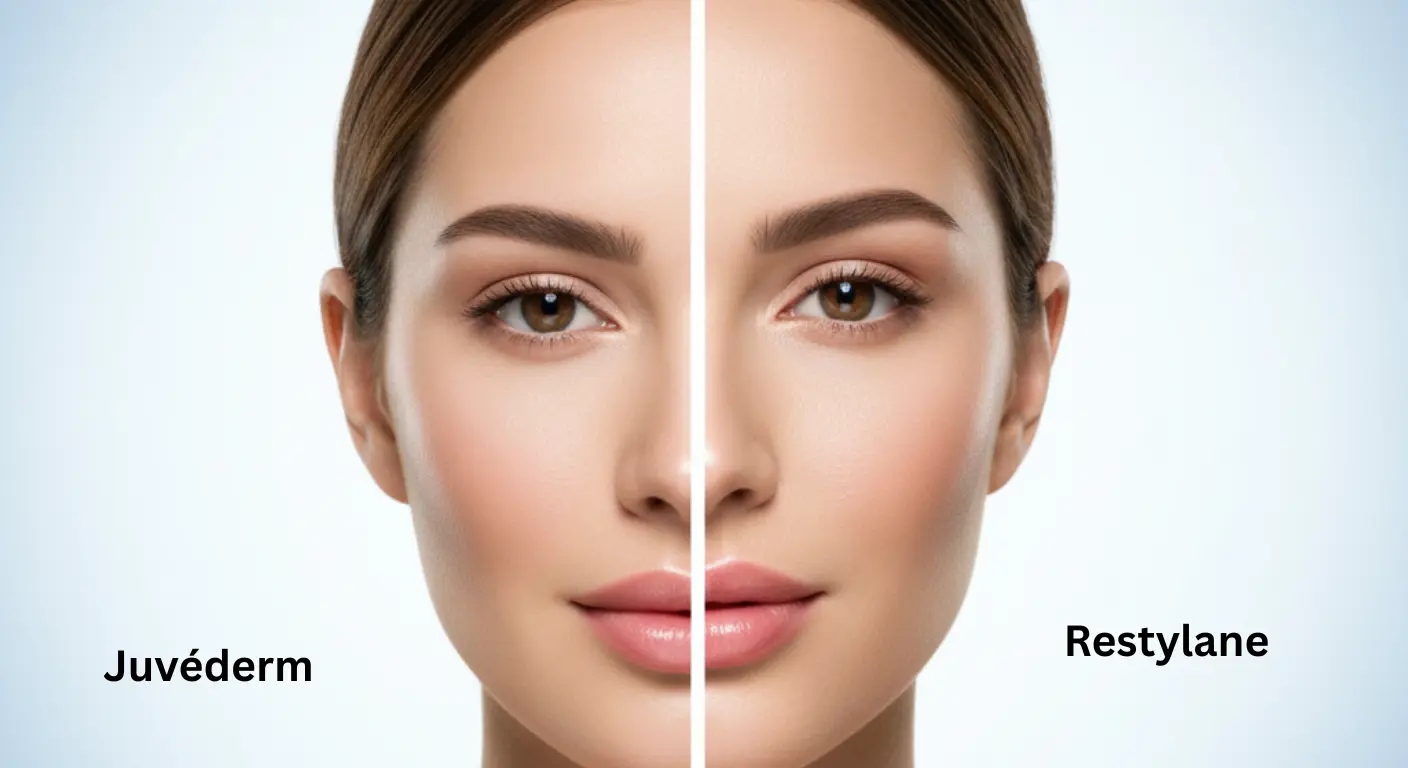
Many patients today explore facial fillers to smooth wrinkles and restore lost facial volume. Juvederm and Restylane are two injectable options that many patients and providers regularly trust and choose. Both fillers rely on hyaluronic acid, a substance the human body already produces naturally. Still, these two fillers feel and act pretty differently once you get into the details. Understanding these key differences early helps patients choose a treatment that fits their goals. Here we will walk through how each filler works and what it does best.
Understanding Dermal Fillers and Their Purpose
Dermal fillers gently restore volume and soften fine lines just beneath the skin’s surface. They can enhance lips, cheeks, and other facial areas that lose fullness with age. Clinics like Dallas Dermatology Partners tend to achieve steadier results than rushed practices do. Careful technique matters greatly, since placement affects both long term safety and final appearance. A good injector actually looks closely at your face before ever suggesting a specific filler. Many patients also ask about hyaluronic acid based treatments before choosing a specific filler.
How Juvederm Works for Facial Rejuvenation
Juvederm is made from a smooth, flexible gel that comes from hyaluronic acid. This gel integrates easily into surrounding tissue, which creates a soft, natural feel. It comes in several distinct formulations, each designed for a different facial concern. Some versions specifically target fine lines, while others restore deeper volume loss. Results from Juvederm typically appear almost immediately once the injection is completed. Depending on the treated area, effects often last from six months to a year.
How Restylane Differs in Formula and Use
Restylane also uses hyaluronic acid, but the gel is manufactured differently. Its texture tends to be firmer overall, which suits certain delicate treatment areas well. Many experienced providers choose Restylane for sensitive zones such as under the eyes. This gel blends in smoothly and still holds its shape when your face moves throughout the day. Restylane comes in a few types, each designed for a different part of the face. Duration varies by product but often ranges between six and twelve full months.
Comparing Longevity and Treatment Areas
Results can last anywhere from a few months to over a year, depending on the person. Thicker, denser gels generally last longer in the skin than lighter, softer formulas do. Juvederm often performs especially well when used in cheeks and other volume areas. Restylane frequently suits lips and finer lines around the mouth and eyes. Both fillers eventually break down naturally through the body’s own metabolic processes over time. Periodic touch up sessions help maintain results as filler gradually and predictably fades.
Choosing the Right Filler for Your Goals
So how do you pick between these two? It really comes down to what you’re hoping for and how your skin looks and feels. A good consultation covers all of that, including your age and skin thickness. Maybe you want something subtle, or maybe you want more defined contours. Either way, your provider should walk through these details before mapping out a plan. In the end, you want a look that feels natural and holds up well over time.
Choosing between these fillers really just depends on what feels right for you. Both have been used safely for years, and plenty of patients are happy with their results. Talking openly with a qualified injector tends to clear up most remaining questions. What matters most is finding an option that actually feels right for you overall. Fillers were never meant to be one size fits all, and that is good. With the right guidance and some patience, you can feel confident about your choice.
To read more content like this, explore The Brand Hopper
Subscribe to our newsletter