Last Updated on July 20, 2026 by Team TBH
Think about the old electronic gear. For decades, the consumer tech playbook followed a brainless, linear drumbeat: extract, construct, sell, discard. Flagships launched like clockwork every autumn, triggering a massive, silent migration of yesterday’s prized model straight into junk drawers, or worse, municipal landfills.
We crowned tech kings solely by units shipped. But that cheap thrill is over. The titan brands that built empires on the back of relentless consumerism are suddenly rewriting their entire operational DNA, pivoting hard from the classic “buy-and-replace” cycle toward aggressive lifecycle orchestration, deep refurbishment, and closed-loop ecosystems.
Greenwashing won’t cut it anymore; survival dictates circularity. The process has forever changed.
Why Brand Value Now Depends on Sustainability
The catalyst here isn’t just warm, fuzzy altruism, it’s cold, hard market physics. Brands are getting squeezed from every conceivable angle, and the old “take-make-waste” hangover is finally catching up to them.
Take today’s buyer. Gen Z and millennial consumers aren’t just looking at spec sheets; they are actively auditing a brand’s e-waste footprint, hunting down certified pre-owned gear with the fervor of bargain hunters who actually give a damn about the planet.
Then you have the institutional boardrooms where ESG metrics have mutated from public relations fluff into high-stakes financial covenants. If you can’t claw back your Scope 3 emissions, you’re bleeding investor capital.
And don’t look to regulators for a lifeline. Between “Right to Repair” mandates sweeping across continents and EPR (Extended Producer Responsibility) laws turning post-use liability into a legal straitjacket, the message is clear: if you build it, you own its ghost.
The Shift from Linear to Circular Business Models
Let’s dissect the plumbing. Traditional manufacturing treats resources as a conveyor belt to a cliff, but circularity bends that belt into an infinite loop. It’s about designing hardware that begs to be unscrewed, upgraded, and harvested.
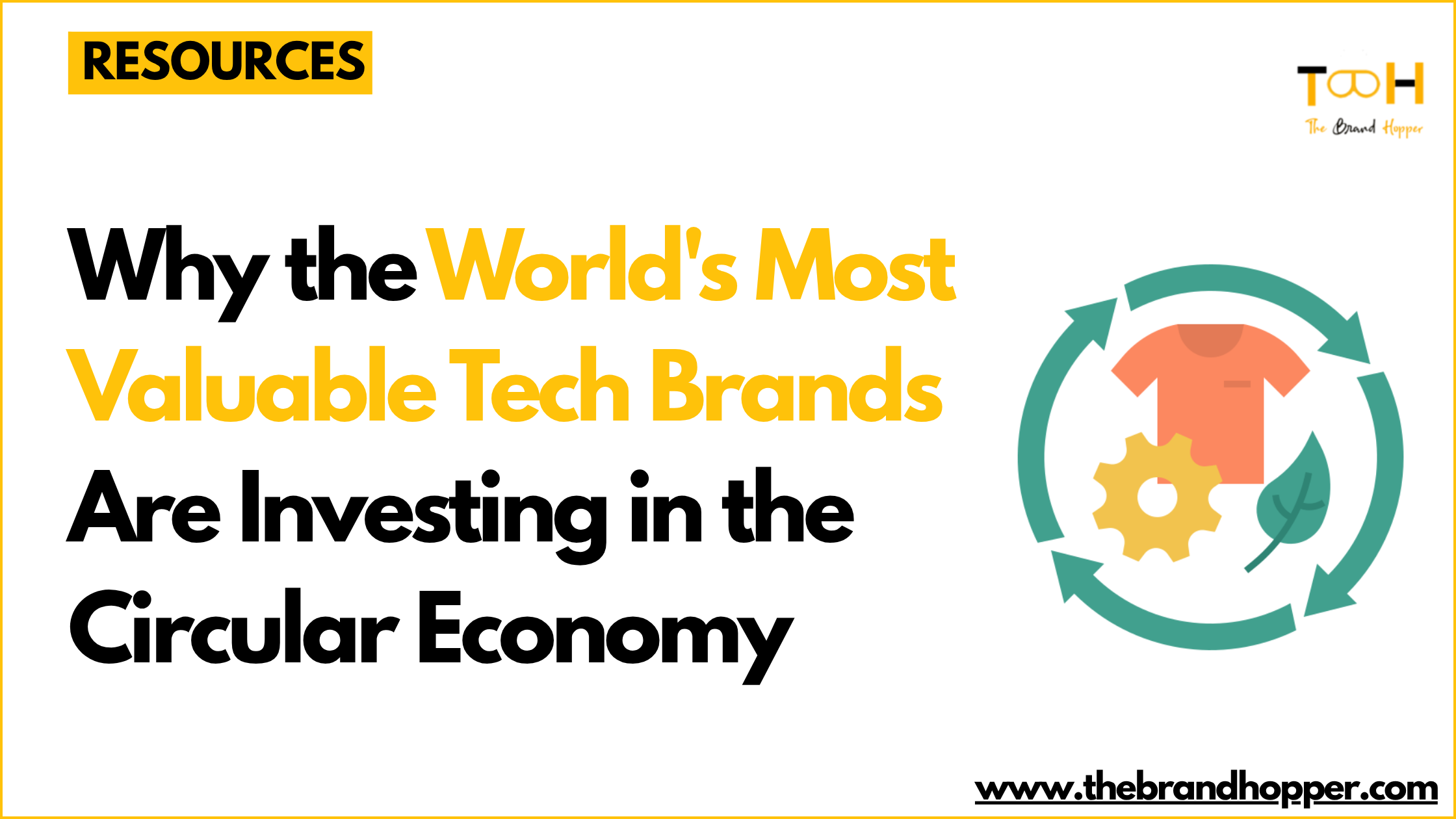
In other words, the linear process involves raw material being used for manufacturing, becoming a used item, and then being disposed of as waste. Whereas the circular process involves raw material used for manufacturing, then becoming a used item, but instead of disposing of it, it is refurbished and reused.
This isn’t a charity drive; it’s a margin play. When you reclaim rare earth elements and salvaged semiconductors, you effectively immunize your balance sheet against the next geopolitical supply chain spasm.
Plus, selling certified refurbished units unlocks an entirely new tier of price-sensitive buyers without eating away at your premium tier, while enterprise clients get to slash their total cost of ownership (TCO) via high-value trade-in offsets.
Reverse Logistics Is Becoming a Competitive Advantage
Here’s the choke point where most amateur operations struggle. Moving a million identical, shrink-wrapped boxes from a factory to a retail shelf is easy, linear logistics. But clawing back a million battered, heavily encrypted, mismatched devices from the wild and sorting out the gold from the garbage? That’s a nightmare.
Reverse logistics is the new corporate battleground. It requires a hyper-optimized, high-velocity recovery funnel:
Returns Management:
Triage returned goods instantly before they lose market value.
Device Recovery:
Building seamless trade-in portals that coax consumers into relinquishing their retired hardware.
Repair and Refurbishment:
Re-manufacturing units to pristine, “like-new” operational specifications.
Remarketing:
Re-injecting revived assets into secondary global markets without diluting brand equity.
Every step demands absolute forensic precision, especially when you’re wiping petabytes of sensitive user data under strict compliance regimes.
How Global Brands Extend Product Lifecycles
Scaling this level of industrial alchemy is too complex to handle in-house, even for the Silicon Valley elite. That’s why the smartest players offload the operational heavy lifting to dedicated specialists who eat reverse logistics for breakfast.
Enter Reconext. As a premier lifecycle services provider, Reconext engineers the entire back-end recovery engine for leading OEMs, telecom carriers, and enterprise networks. They are the ones actually in the trenches doing the testing, deep-level repair, and certified cosmetic refurbishment that keeps millions of devices in circulation.
Furthermore, for corporate enterprises purging mountains of legacy workspaces, integrated itad services (IT Asset Disposition) guarantee that retired servers and enterprise laptops are securely de-risked, sanitized of proprietary data, and responsibly reincarnated rather than crushed.
Measuring Success Beyond New Product Sales
If you’re still measuring corporate health solely by net-new hardware sales, you are playing yesterday’s game. The vanguard has shifted to multi-dimensional metrics that track value retention across the entire product lifespan.
| Metric | Focus | Strategic Value |
| Recovery Value | Hard cash extracted from returned hardware | Minimizes capital write-offs; turns liabilities into raw margin. |
| Customer Retention | Seamless trade-in loops | Traps users in a highly convenient, continuous upgrade loop. |
| Carbon Avoidance | Avoided metric tons of CO2 | Delivers verifiable Scope 3 metrics for aggressive ESG audits. |
| Brand Reputation | Trust equity and compliance ratings | Keeps regulators happy and eco-conscious buyers fiercely loyal. |
Conclusion
The old “sell-and-forget” model is dead. Or at least, it’s on life support.
The tech enterprises thriving in the next decade aren’t the ones pulling raw materials out of the earth fastest, they are the ones masterfully cycling their existing assets back through the loop.
By collaborating with advanced lifecycle architects to scale their reverse supply chains, these forward-leaning giants are proving a crucial point.
Saving the planet through circular processing is not a PR stunt, it’s a necessity.
To read more content like this, explore The Brand Hopper
Subscribe to our newsletter