Last Updated on September 7, 2026 by Team TBH
One beer. That is all it takes to turn a relaxed Thursday night into a conversation you never wanted to have. You finish your shift, your coworkers invite you out, and the next thing you know, you are sitting in your car hoping you feel fine enough to drive the fifteen minutes home. But here is the thing about Utah: the legal limit sits at 0.08, and the state does not mess around when it comes to enforcement. This article walks you through exactly what happens after that first sip, what your rights look like if you get pulled over, and how to plan your night so you never have to learn any of this the hard way.
What Actually Happens When You Get Pulled Over
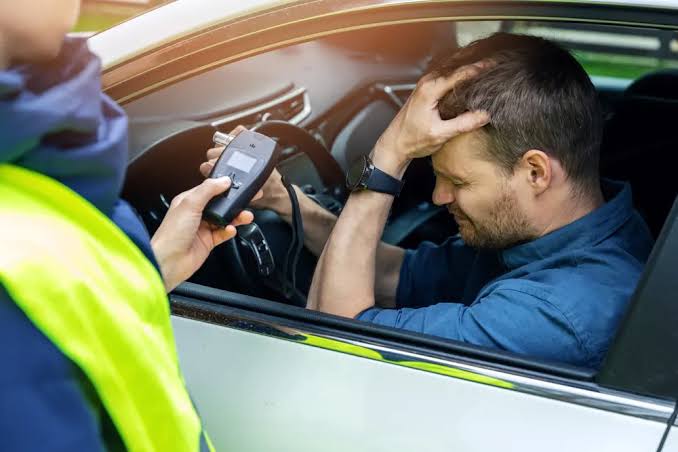
You see the lights in your rearview mirror. Your heart drops. You pull over, and the officer walks up to your window asking if you have been drinking. Now, here is where most people make their first mistake: they start talking. They explain where they were, how much they had, and why they are probably fine to drive. That explanation is a gift to the prosecution, and you just handed it over for free.
You have rights in this moment. The right to remain silent is not just a line from a TV show. You can politely decline to answer questions about where you were or what you drank. You can also decline field sobriety tests, which are designed to make sober people look impaired anyway. Ask for a attorney early, and keep your answers short and polite.
Utah officers rely on standardized field sobriety tests, and those tests have a documented failure rate even among completely sober individuals. The Centers for Disease Control and Prevention has published baseline research on how alcohol impairs coordination and reaction time, which is exactly why these tests exist in the first place. But the key point is this: you do not have to perform them.
The Money Math Nobody Talks About
Let us talk dollars and cents, because that is what finally gets through to people. A first offense DUI in Utah costs somewhere between $1,500 and $5,000 once you add up fines, court fees, and the mandatory alcohol education classes. That is not including the increase in your car insurance, which can jump by hundreds of dollars per year for three to five years after a conviction. And if you use a car for work, a suspended license does not just mean inconvenience, it means missed shifts and lost income.
Compare that to the cost of a rideshare home. Even if you are buying drinks for your whole team, you are looking at maybe forty dollars. The math is not even close.
Planning Your Exit Before You Walk In
The most effective strategy is the one you set before you ever step foot in the bar. Here is a simple framework I use with friends and family, and it has never failed:
- Pick your driver before anyone orders a drink. If it is your turn, you are drinking soda water with lime all night, no exceptions.
- Set a rideshare pickup time on your phone for when you expect to leave. You can always push it later, but having it scheduled removes the “I will figure it out later” excuse.
- Leave your keys at home or give them to someone you trust who is not drinking. Physical barriers work better than willpower.
- Save the contact for a professional who handles defense cases in your area before you need one. Looking up a dui lawyer in st george while you are sitting in the back of a patrol car is the worst time to be making that decision.
That last one matters more than people think. Having one contact saved in your phone, just in case, costs you nothing and takes thirty seconds.
The After Work Culture Problem
There is a specific kind of pressure that comes with work events. Your boss is buying a round. Your favorite coworker is toasting to the project you just finished. Saying no feels awkward, like you are not part of the team. But think about what happens the morning after you get arrested. That same boss who bought your drink is not going to vouch for you in court. That coworker who encouraged the toast is not going to pay your legal fees.
You are the only person who lives with the consequences. So make the choice that protects your future, even if it feels socially uncomfortable for ten minutes. Your team will get over it. A criminal record takes a lot longer to shake.
What About the Morning After
Here is a scenario most people do not consider: you drink moderately, sleep eight hours, and wake up feeling totally fine. Are you safe to drive? Not necessarily. Alcohol metabolizes at a fairly steady rate, roughly one standard drink per hour, but that number varies based on body weight, food intake, and how tired you are. That post-shift exhaustion slows your metabolism further, which means you could still be over the limit hours after your last sip.
The American Cancer Society tracks broad public health data on alcohol consumption trends, and the consistent finding is that people routinely underestimate how long alcohol stays in their system. Your best move is to test yourself with a personal breathalyzer if you have one, or simply wait longer than you think you need to. When in doubt, take the bus or call that rideshare again. One more day of public transit beats one more night in a holding cell.
Your Best Defense Is Prevention
Here is my honest opinion: no attorney, no matter how skilled, can undo the stress, the cost, and the time loss of a DUI arrest. The best legal strategy is the one you never have to use. You plan ahead, you hand over your keys, and you accept that the forty dollar rideshare is the cheapest insurance you will ever buy.
But if you do find yourself in that situation, remember this: stay quiet, stay polite, and call for help before you say anything else. The choices you make in the first hour after being pulled over shape everything that comes next. So make them count.
To read more content like this, explore The Brand Hopper
Subscribe to our newsletter