Last Updated on May 27, 2026 by Team TBH
Fast company growth tests every part of an operation. When order volumes spike unexpectedly, fulfillment lines often hit a wall long before marketing campaigns finish. True scaling requires more than just acquiring new customers. It demands a back end capable of moving inventory at high speeds.
Many brands discover that standard shelf layouts restrict their physical momentum. Solving this bottleneck requires looking upward rather than searching for a larger building. Efficient logistics form the backbone of sustainable market expansion.

Rethinking the Physical Limits of Scaling
Floor space runs out fast when retail sales double or triple in a single quarter. Industry leaders look toward Vertical Storage USA to solve these capacity issues before fulfillment lines slow down completely. Finding new real estate takes too much time and capital. Turning to vertical setups protects thin profit margins – a major benefit for lean businesses.
Traditional warehouse arrangements force workers to walk long distances down aisles. This movement drains valuable hours every day. Eliminating repetitive steps speeds up packing cycles. Faster cycles mean happier customers who receive their packages days ahead of schedule.
Every minute saved in the warehouse translates to better customer reviews. Swift delivery options become a major selling point for online merchants. Brands that optimize early outpace rivals who remain stuck in old methods.
Reclaiming the Lost Overhead Space
Many supply chain directors miss the massive empty zones right above their heads. A report by a logistics layout publication shared that typical facilities utilize a mere 30% to 40% of their actual height capacity. This oversight leaves vast amounts of cubic storage space completely untouched.
Filling this dead air turns wasted overhead room into usable real estate. Businesses can pack triple the inventory into the same square footage. Choosing taller storage units keeps operations lean. Brands can expand their product catalog without renting extra warehouse slots.
Relying on horizontal space creates crowded, disorganized aisles. Inventory gets buried behind older stock, leading to waste. Vertical tracking keeps products visible and accessible at any moment.
Financial Value of Vertical Modules
Investing in modern setups matches global commercial shifts. Data from an industrial tech analysis indicated that the vertical lift module market will climb from $1.56 billion to $2.78 billion by 2030. Companies lean heavily into automation to maintain their shipping speed.
Upgrading warehouse tools protects businesses from sudden market shifts. High-density designs prevent inventory damage by keeping products secure. These smart choices stabilize long-term operating costs.
Monetary predictability helps brands allocate capital toward product development. Lowering warehouse overhead means more funding for digital marketing. Strategic investments in storage pay dividends across the entire corporate structure.
Global Growth in Retrieval Tech
The push toward automated setups shows no signs of pausing. An investment market overview noted the global automated storage and retrieval market is tracking to hit $15 billion by 2030, up from roughly $10 billion in 2025. This growth reflects a compound annual rate of about 8.5%.
Smarter machinery handles heavy repetition better than manual labor. Logistics teams complete bulk orders without adding extra floor staff. Scaling brands secure a higher valuation by adopting these systems early.
Automation removes the guesswork from daily picking schedules. Systems sort items by demand density automatically. Peak seasons become manageable instead of chaotic.
Maximizing Footprints Without Relocation
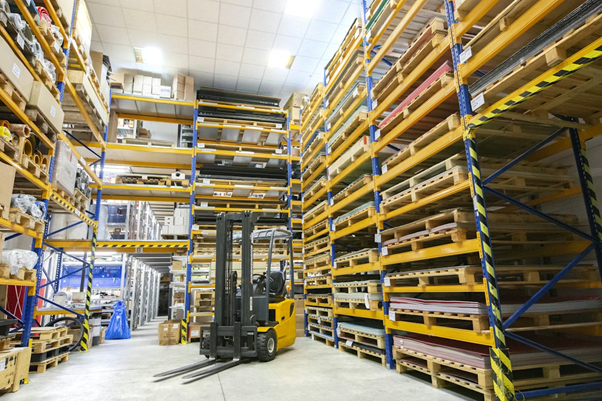
Expanding physical footprints can drain company cash reserves. A supply chain software provider remarked that compact picking technologies maximize square footage, allowing enterprises to hold more items without moving to larger buildings. This setup prevents expensive lease negotiations during growth phases.
Moving to a new facility disrupts daily shipping routines for weeks. Staying in the same building maintains operational continuity. Brands avoid losing customers due to moving delays. Retaining a familiar location keeps local labor pools stable.
Long-Term Projections for Logistics
The broader logistical environment points toward steady transformation. An automation market report noted that standard pre-pandemic growth patterns will return starting in 2026. The same research projects a solid 8% compound annual growth rate up through 2030.
Committing to these tools early places growing brands ahead of competitors. Delayed upgrades leave businesses vulnerable during high-demand holidays. Modern infrastructure guarantees survival in competitive markets.
Predictable fulfillment speeds build strong consumer trust. Buyers expect fast turnarounds as a basic standard. Meeting these expectations secures customer loyalty over multiple fiscal years.
Measurable Gains of Modern Setup
Transitioning away from static shelving alters daily workflows. Teams see direct upgrades in several performance metrics. These shifts touch employee safety and order accuracy.
Managers track clear improvements in labor productivity after installation. Shorter retrieval paths mean workers spend more time packing and less time searching. The entire facility operates with a rhythm that traditional warehouses cannot replicate.
- A material handling blog highlighted that delivering items directly to ergonomic workstations cuts retrieval times and reduces employee strain.
- A warehouse optimization study confirmed that maximizing space and reducing excess movement lowers operating costs and improves throughput.
- An industry logistics magazine reported that deploying high-density systems secures smooth workflows and accurate inventory tracking.
Businesses that look upward unlock hidden potential within their existing walls. Protecting profit margins and speeding up delivery times becomes simple with the right setup. The future of commerce belongs to brands that move fast from the ground up.
To read more content like this, explore The Brand Hopper
Subscribe to our newsletter