Last Updated on November 20, 2026 by Team TBH
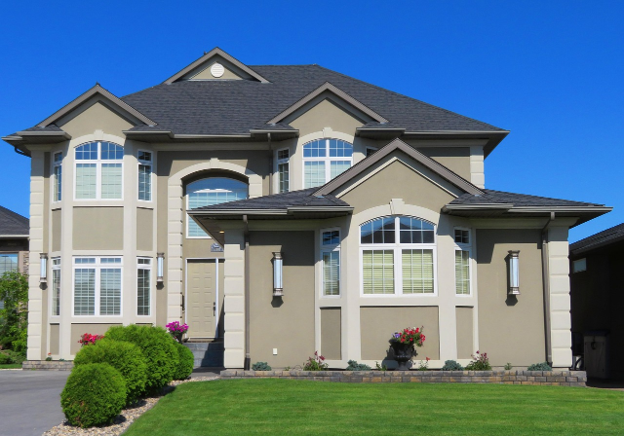
A luxury home’s landscape should feel like a natural extension of its architecture. Expansive lawns, sculpted hedges, mature trees, and carefully arranged garden beds create an atmosphere of elegance before anyone reaches the front door.
However, maintaining that appearance requires considerably more than regular mowing and occasional watering. Large residential landscapes often contain different grass varieties, complex irrigation systems, delicate ornamental plants, and outdoor spaces designed for entertaining.
When maintenance becomes inconsistent, even an impressive property can develop patchy grass, uneven growth, and visible drainage problems.
The secret to preserving a refined landscape is treating lawn care as a coordinated management process rather than a collection of unrelated chores. Every detail, from sprinkler performance to mowing patterns, contributes to the finished appearance.
Perfect the Irrigation System Before Perfecting the Grass
A beautiful estate lawn depends on consistent moisture, but watering more frequently doesn’t necessarily produce healthier turf.
Large properties often contain shaded sections, sunny slopes, ornamental gardens, and open lawns with different irrigation requirements.
When one section receives too much water while another remains dry, the result can be uneven growth and stressed grass.
This is why sprinkler head repair deserves attention whenever irrigation coverage becomes inconsistent. A damaged, clogged, or misaligned head may leave dry patches while wasting water on pavement or garden borders.
Inspect sprinkler patterns periodically while the system operates.
Look for leaking heads, unusually weak spray, blocked nozzles, and water collecting where it shouldn’t.
Professional irrigation evaluations can also identify pressure problems, faulty valves, and controller issues.
Correcting these problems early protects both the lawn’s appearance and the property’s long-term maintenance budget.
Create a Mowing Routine That Looks Professionally Designed
Luxury lawns often stand out because their grass appears remarkably uniform.
Achieving that finish requires more than simply cutting the turf every weekend.
Mowing height should match the grass species, growing conditions, and season. Cutting too short can weaken roots, increase moisture stress, and encourage weed invasion.
Maintain sharp mower blades to produce clean cuts rather than ragged edges.
Change mowing directions periodically to reduce repetitive wheel patterns and help prevent soil compaction.
For expansive properties, consider whether different lawn sections require separate schedules.
Areas receiving full sunlight may grow differently from shaded sections beneath mature trees.
Crisp edging around pathways, driveways, and planting beds completes the appearance.
These small finishing details help a lawn look intentionally maintained rather than merely trimmed.
Treat Soil Health as the Foundation of Luxury Landscaping
An elegant lawn begins beneath the surface.
Soil structure, nutrient availability, drainage, and root development all influence how grass responds to maintenance.
Even expensive landscaping treatments cannot fully compensate for severely compacted or poorly balanced soil.
Start with periodic soil testing to understand nutrient levels and pH.
Use the results to guide fertilization instead of applying products based on guesswork.
High-traffic areas may benefit from aeration when soil compaction limits water movement and root growth.
Organic matter can improve certain soil conditions, although amendments should suit the property’s specific needs.
Avoid assuming that every brown patch indicates a fertilizer deficiency.
Insects, disease, irrigation problems, and environmental stress can create similar symptoms.
A diagnostic approach helps preserve the lawn while preventing unnecessary treatments.
Design Maintenance Around the Property’s Distinct Zones
Luxury properties rarely function as a single uniform landscape.
The front entrance may feature formal turf and decorative plantings, while the backyard includes recreational lawns, shaded retreats, and poolside gardens.
Each area deserves a maintenance strategy that reflects its purpose.
High-visibility entrance lawns may require more frequent grooming and precise edging.
Recreational sections need grass varieties and care routines capable of handling regular foot traffic.
Shaded spaces may require adjusted irrigation and different planting choices.
Garden beds should also receive attention based on their soil conditions, sunlight exposure, and plant requirements.
Creating separate maintenance zones makes it easier to allocate resources effectively.
It also prevents the common mistake of treating every section identically simply because the entire property shares one address.
Protect the Landscape From Hidden Drainage Problems
Water can be both a lawn’s greatest asset and one of its most damaging threats.
Poor drainage may cause standing water, muddy patches, root stress, and erosion around landscaped slopes.
On luxury properties, drainage issues can also affect pathways, retaining walls, and outdoor entertaining areas.
Inspect the grounds after significant rainfall.
Pay attention to persistent puddles, washed-out mulch, exposed roots, and soil collecting near hardscaping.
Check whether downspouts and irrigation runoff direct water toward vulnerable areas.
Solutions may include grading adjustments, improved drainage infrastructure, or changes to watering schedules.
Because drainage modifications can influence nearby structures and planting beds, complicated problems deserve professional assessment.
Addressing water movement early helps maintain the polished appearance of the grounds while reducing the likelihood of expensive landscape repairs.
Keep Ornamental Plantings as Refined as the Lawn
A flawless lawn can still look unfinished when surrounding plants become overgrown or neglected.
Hedges, flowering borders, ornamental grasses, and mature trees provide the structure that makes luxury landscaping distinctive.
Their maintenance should complement the lawn rather than compete with it.
Schedule pruning according to plant species and flowering cycles.
Avoid excessive trimming that removes natural shape or damages healthy growth.
Refresh mulch when necessary, keeping it away from tree trunks and plant crowns.
Inspect garden beds for weeds, irrigation problems, and signs of declining plant health.
Seasonal color can add visual interest, but planting choices should suit the property’s design and growing conditions.
Consistent care helps every element contribute to a cohesive landscape.
The objective is creating a balanced outdoor environment where nothing appears neglected or unnecessarily overdone.
Use Technology to Maintain Consistency Without Wasting Resources
Modern landscape technology can make maintaining extensive residential grounds more manageable.
Smart irrigation controllers, moisture sensors, and weather-responsive scheduling systems help adjust watering based on changing conditions.
Some systems also provide alerts when unusual water use suggests a possible leak.
However, technology works best when paired with regular physical inspections.
A controller cannot always identify a blocked sprinkler nozzle, damaged pipe, or newly shaded lawn section.
Review irrigation settings when seasons change or landscaping is modified.
Keep maintenance records documenting repairs, fertilization, mowing adjustments, and recurring problem areas.
These records can reveal patterns that might otherwise go unnoticed.
For homeowners who employ landscaping professionals, shared documentation also improves communication and accountability.
The result is a more predictable maintenance program that supports appearance while limiting unnecessary water consumption.
Prepare the Lawn for Entertaining Without Sacrificing Its Health
Luxury lawns often serve as outdoor living spaces rather than purely decorative features.
Garden parties, family gatherings, and seasonal celebrations can place considerable pressure on carefully maintained turf.
Before an event, inspect the grounds for uneven surfaces, irrigation leaks, and areas vulnerable to heavy foot traffic.
Avoid excessive watering immediately before guests arrive, particularly where temporary seating or equipment will be installed.
Use protective flooring where appropriate for large gatherings.
Afterward, remove temporary structures promptly and assess whether compacted or damaged areas need attention.
Plan recovery time between major events when possible.
A well-maintained estate landscape should be both beautiful and functional.
By combining thoughtful irrigation, healthy soil, precise mowing, effective drainage, and coordinated planting care, homeowners can preserve an outdoor setting that complements the property’s architecture.
True landscape luxury isn’t simply about having an immaculate lawn for special occasions. It’s about maintaining that same sense of refinement throughout the year.
To read more content like this, explore The Brand Hopper
Subscribe to our newsletter