Last Updated on August 26, 2026 by Team TBH
RTX Corporation — formerly Raytheon Technologies — is one of the world’s largest aerospace and defense companies. Rebranded in July 2023, RTX trades on the New York Stock Exchange (NYSE: RTX) and operates through three business segments: Collins Aerospace, Pratt & Whitney, and Raytheon. In its fiscal year 2025, RTX posted revenues of $88.64 billion, a 9.74% increase year-over-year, with a record contract backlog of $268 billion and a net income of $6.73 billion. The company employs approximately 185,000 people globally.
RTX competes across three critical domains: commercial and military aviation systems (Collins Aerospace and Pratt & Whitney), and defense weapons and intelligence solutions (Raytheon). This broad portfolio creates a uniquely complex competitive landscape — pitting RTX against US prime contractors, global aerospace engine manufacturers, European defense primes, and specialized defense IT firms simultaneously.
This article examines RTX’s most formidable competitors, organized by geography and market segment, with core capabilities, and the specific areas where each company most directly challenges RTX’s market position.
RTX Corporation at a Glance
Collins Aerospace is the world’s leading provider of aviation systems and services, delivering avionics, cabin interiors, aerostructures, and flight controls to both commercial and military customers. It directly competes with Honeywell Aerospace, Thales, and L3Harris in avionics and electronics.
Pratt & Whitney designs and manufactures aircraft engines for commercial, business, and military aviation. Its PW1000G Geared Turbofan (GTF) powers the Airbus A320neo family, while the F135 engine is the sole powerplant for the F-35 Lightning II. Pratt & Whitney competes directly with GE Aerospace and Safran (via CFM International, their JV with GE) for commercial engine market share.
Raytheon (the combined former Raytheon Intelligence & Space and Raytheon Missiles & Defense segments) produces advanced weapons systems, sensors, and intelligence solutions. Its flagship products include the Patriot air-defense system, NASAMS, AIM-120 AMRAAM, Tomahawk cruise missile, StormBreaker smart bomb, and the AN/TPY-2 ballistic missile defense radar — placing it in competition with Lockheed Martin, Northrop Grumman, MBDA, and Thales.
Top Competitors and Rivals of RTX Corporation
Section A: US Tier-1 Defense Prime Contractors
1. Lockheed Martin
Website: lockheedmartin.com
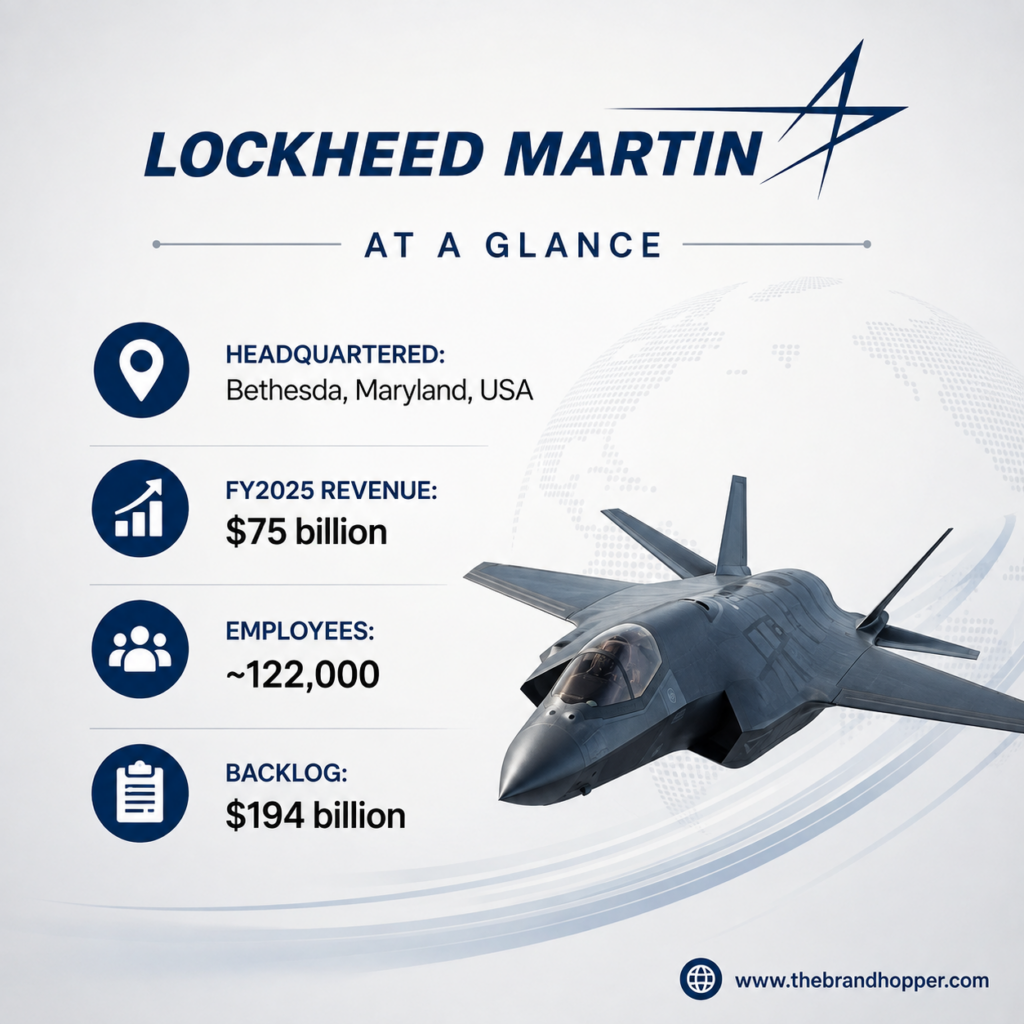
Lockheed Martin is the world’s largest defense company by revenue and RTX’s single most direct competitor. It dominates advanced combat aircraft — the F-35 Lightning II (over 3,000 ordered across 17 nations, sole-source program) and the F-22 Raptor — while also leading in missile defense with the THAAD (Terminal High Altitude Area Defense) system and PAC-3 Patriot missile. The PAC-3 missile interceptor competes directly with Raytheon’s role as Patriot system integrator, making the Lockheed-RTX relationship one of both competition and supply-chain interdependence.
Lockheed’s Aeronautics segment alone generated $30.26 billion in FY2025, larger than RTX’s entire Raytheon segment. Its Space segment (satellite systems, Orion spacecraft) and Rotary & Mission Systems segment (MH-60 Seahawk, Sikorsky helicopters, command and control systems) further encroach on RTX’s Collins Aerospace and Raytheon territory. The company holds a backlog of approximately $196 billion, ensuring revenue visibility well into the 2030s.
2. Boeing
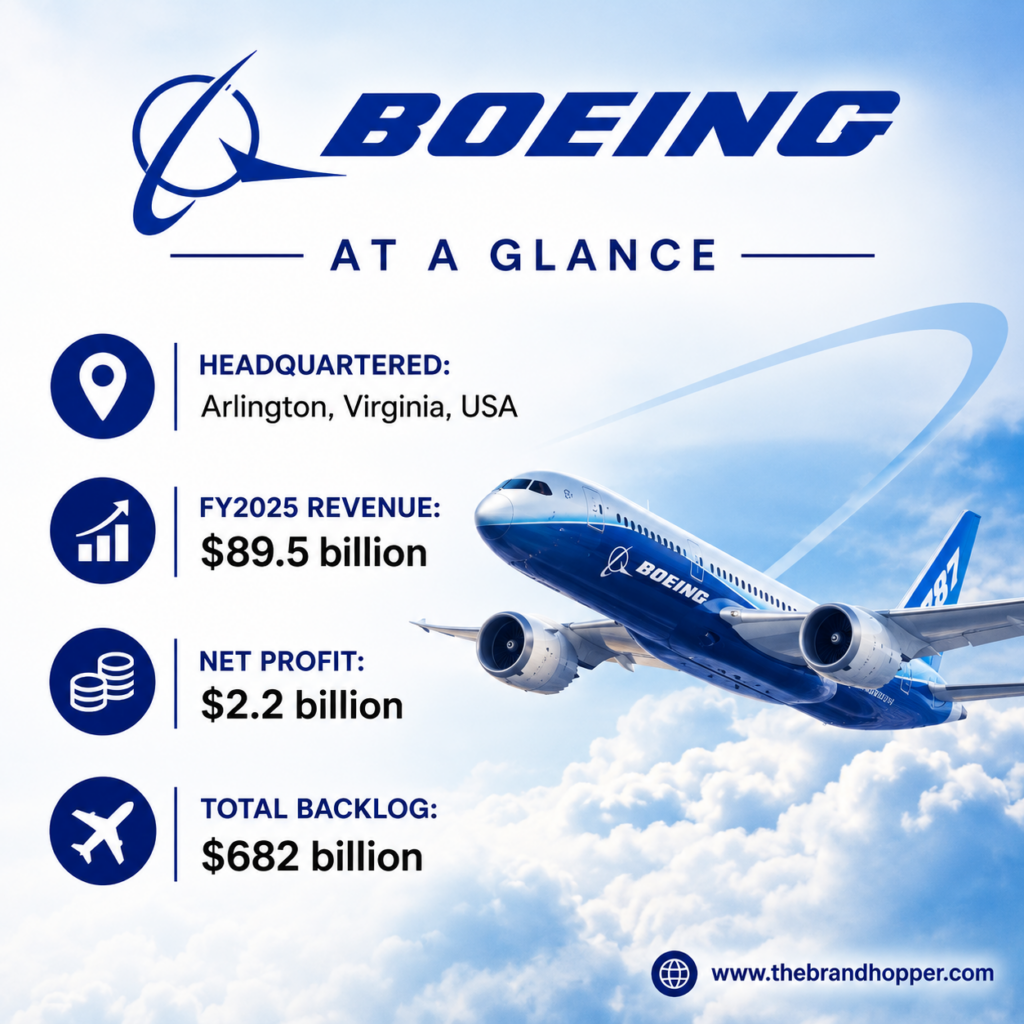
Website: boeing.com
Boeing operates in both commercial aviation and defense — its Defense, Space & Security (BDS) segment generated approximately $27.2 billion in FY2025 — competing with RTX’s Collins Aerospace in aircraft systems and with Pratt & Whitney in military engine platforms. Boeing’s military portfolio includes the F/A-18 Super Hornet, F-15EX Eagle II, AH-64 Apache helicopter, CH-47 Chinook, and the KC-46A Pegasus aerial refueling tanker.
FY2024 was a challenging year for Boeing: a machinist strike (September–November 2024) halted production for seven weeks, compounding ongoing quality issues stemming from the 737 MAX crisis. The company posted a net profit of $2.2 billion. Nevertheless, Boeing’s $521 billion total backlog (including over 5,500 commercial aircraft orders) and the strategic importance of its defense programs make it an enduring competitor for RTX, particularly in military aircraft systems integration and space. For an in-depth look at Boeing’s competitive dynamics, see our article on
3. Northrop Grumman
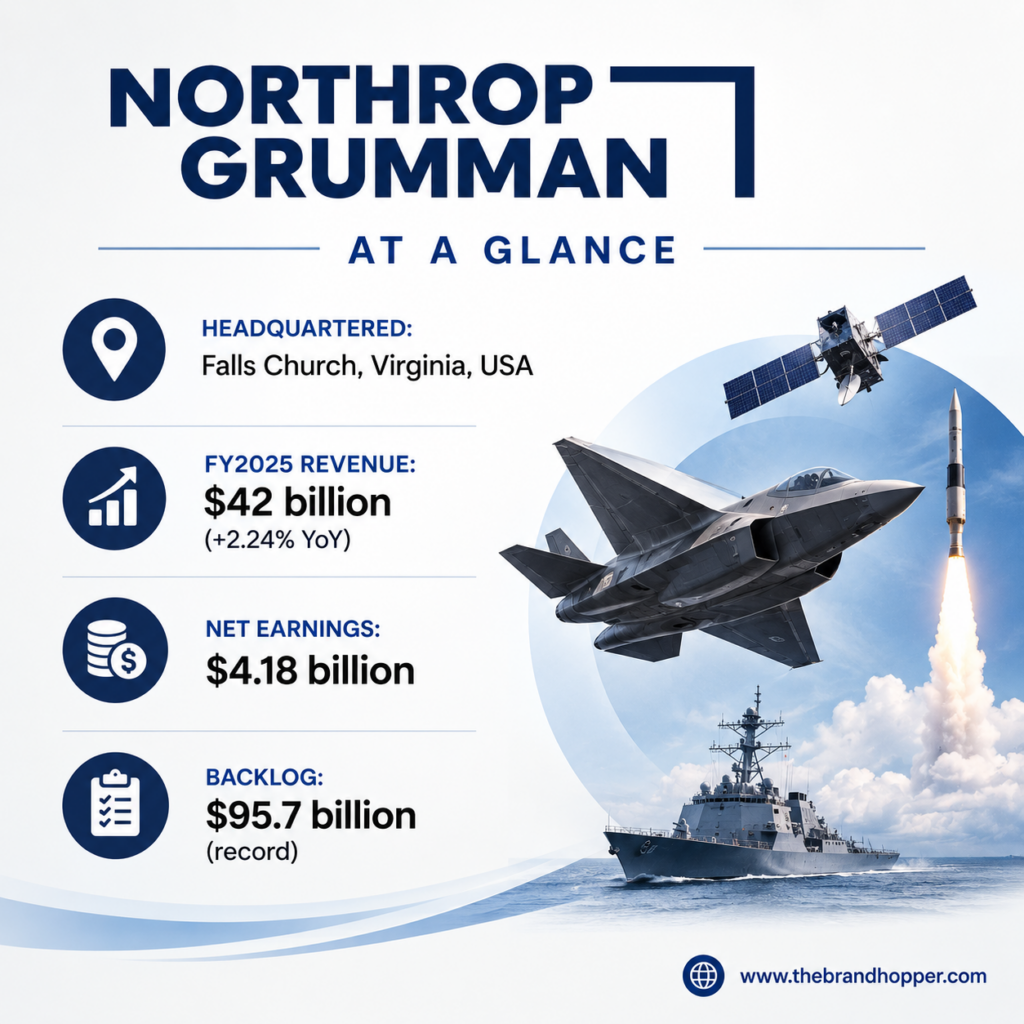
Website: northropgrumman.com
Northrop Grumman competes with RTX across three fronts: stealth aircraft and unmanned systems (Aeronautics Systems), advanced radar and electronic warfare (Mission Systems), and space (Space Systems). Its crown jewel is the B-21 Raider — the US Air Force’s next-generation stealth bomber — a program with an expected value exceeding $200 billion over its lifecycle. The company’s Mission Systems segment, producing advanced radars (AN/APG-83 AESA), electronic attack systems, and airborne sensors, directly competes with Raytheon’s intelligence and electronic warfare portfolio.
Northrop’s Space Systems segment — building satellite payloads, missile defense components (including work on the Sentinel ICBM, formerly GBSD), and classified intelligence systems — overlaps with RTX’s space-focused Collins Aerospace and Raytheon divisions. With a record $95.7 billion backlog at year-end FY2025 and projected revenues of $42 billion in FY 2025, Northrop is a growing competitive force.
4. General Dynamics
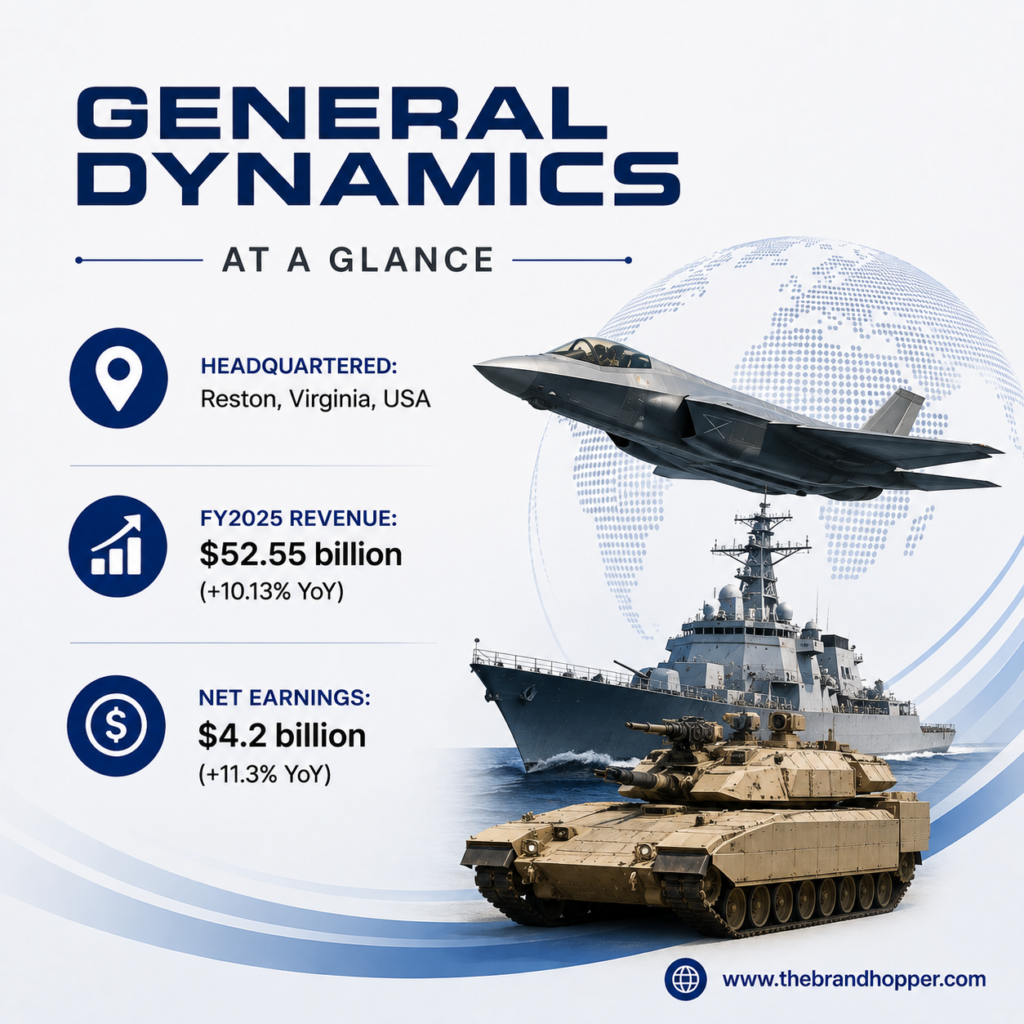
Website: gd.com
General Dynamics is one of RTX’s most diversified competitors, operating across four segments: Aerospace (Gulfstream business jets), Marine Systems (nuclear-powered submarines), Combat Systems (M1 Abrams tanks, Stryker armoured vehicles, ammunition), and Technologies (defense IT, C4ISR). FY2025’s 10.13% revenue growth — among the strongest of any major US prime — reflects surging demand across its marine and combat portfolios.
The Marine Systems segment, building Virginia-class nuclear attack submarines and Columbia-class ballistic missile submarines, competes for the same naval budgets as Raytheon’s torpedo and naval systems programs. General Dynamics Technologies (GDIT) — its $10+ billion IT and cloud services arm — competes directly with RTX’s command-and-control and intelligence solutions. The company’s Gulfstream Aerospace is the world’s leading business jet maker, rivalling Collins Aerospace’s avionics and cabin systems business.
5. L3Harris Technologies
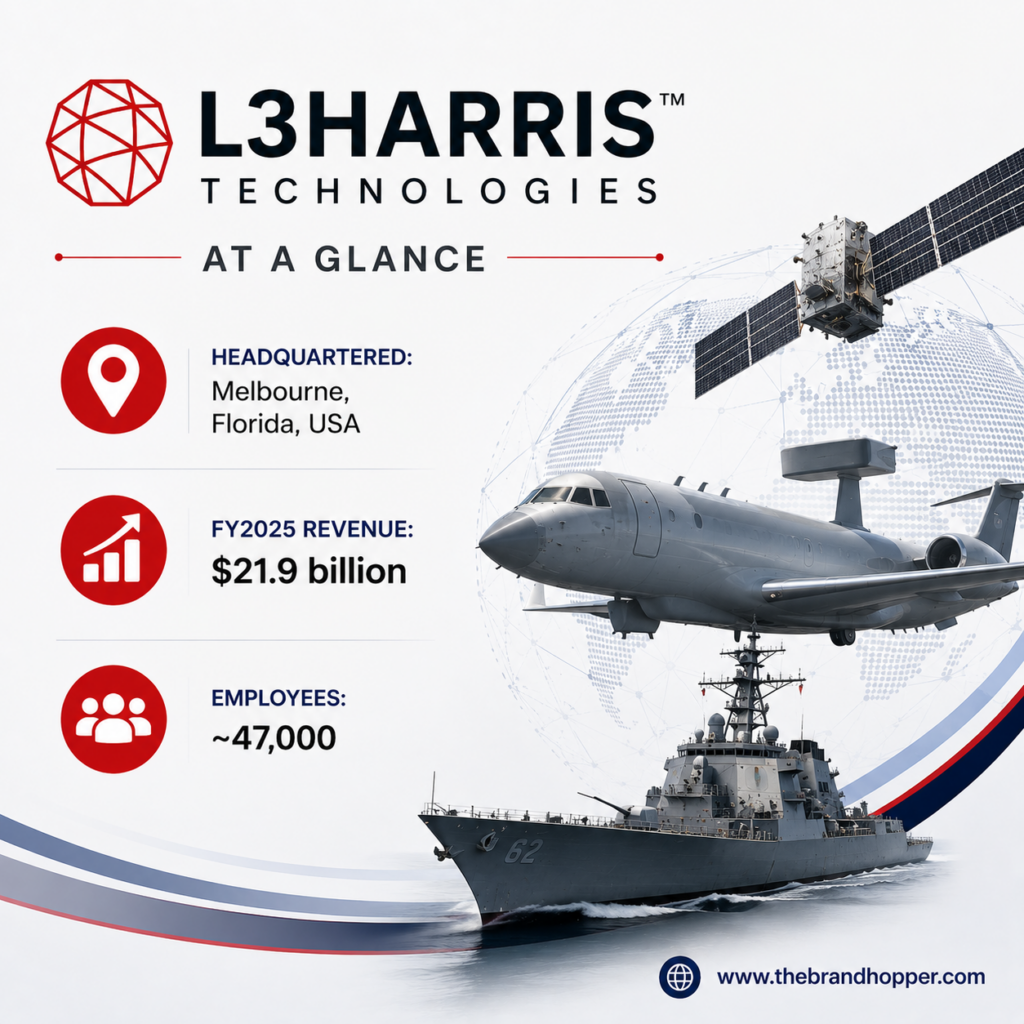
Website: l3harris.com
Formed from the 2019 merger of L3 Technologies and Harris Corporation, L3Harris is a pure-play defense electronics and communications company — and one of RTX’s sharpest competitors in signals intelligence, electronic warfare (EW), and tactical communications. Its four segments (Space & Airborne Systems, Communication Systems, Integrated Mission Systems, and Aviation Systems) mirror and compete with Raytheon’s intelligence and electronic systems portfolio.
L3Harris’s flagship products include Falcon IV tactical radios (sold to 60+ countries), geospatial intelligence systems, night-vision optics, electronic attack pods, and next-generation jammers. Its Space & Airborne Systems segment competes directly with Collins Aerospace for avionics and mission systems on military platforms. Following a series of strategic divestitures of lower-margin businesses, L3Harris is sharpening its focus on high-technology defense electronics — a direct challenge to RTX’s most profitable segments.
Section B: US Defense Services & Specialist Competitors
6. Leidos Holdings
Website: leidos.com
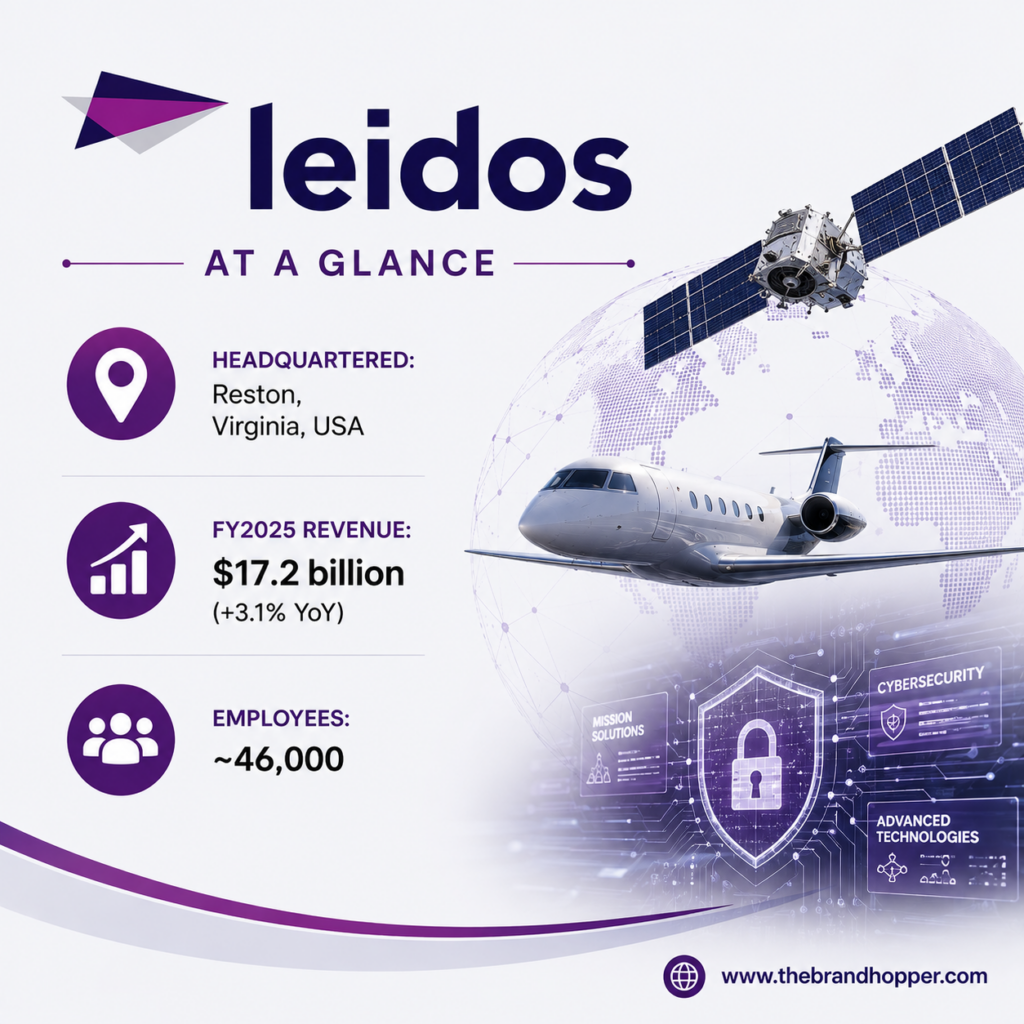
Leidos is the largest pure-play US government IT and defense solutions provider, competing with RTX’s Raytheon segment in command-and-control, intelligence, surveillance, and reconnaissance (C4ISR) systems. Its three segments — Defense Solutions, Intelligence, and Civil — span defense cybersecurity, AI/machine learning solutions, and complex IT infrastructure for federal agencies including the DoD, NSA, DHS, NIH, and TSA.
Key programs include the US Navy’s NGEN-R (Next Generation Enterprise Network – Recompete), the Air Force’s F-35 aircraft sustainment IT systems, TSA airport checkpoint security systems, and the Dynetics hypersonic programs. Leidos’s 8% revenue growth in FY2024 — driven by growing demand for AI-enabled defense analytics and resilient communications — positions it as a growing challenger to Raytheon’s intelligence and mission-systems business.
7. Huntington Ingalls Industries (HII)
Website: hii.com
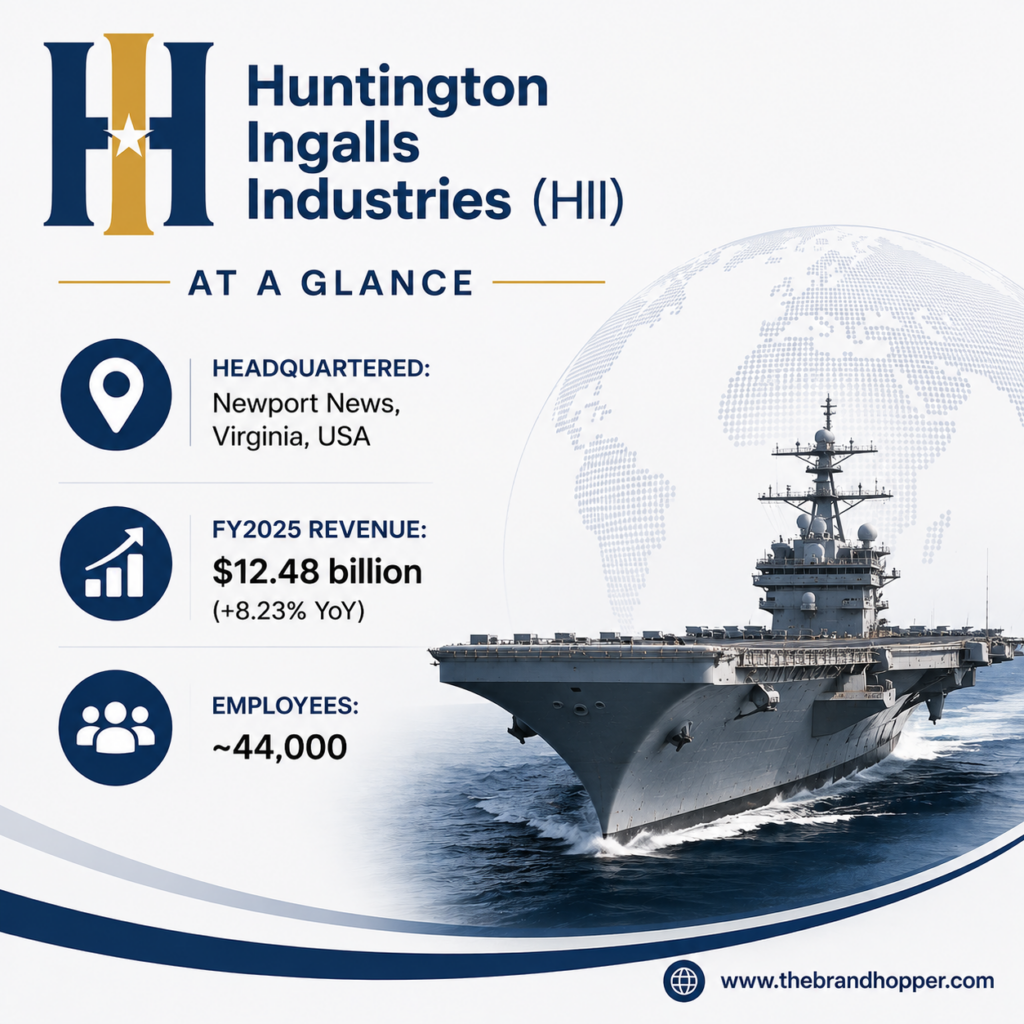
Huntington Ingalls Industries is America’s largest military shipbuilder and the only US company capable of building nuclear-powered aircraft carriers. Its Newport News Shipbuilding division constructs and refuels Nimitz- and Gerald R. Ford-class carriers, and builds modules for Virginia-class nuclear attack submarines in partnership with General Dynamics. Its Ingalls Shipbuilding yard produces Arleigh Burke-class destroyers, amphibious assault ships, and US Coast Guard cutters.
HII’s Mission Technologies division — its fastest-growing segment — provides cybersecurity, unmanned systems, AI-enabled analytics, and live/virtual/constructive training to the DoD. This segment competes directly with Raytheon’s intelligence and network-centric solutions businesses. HII’s unique position as the sole US nuclear carrier builder gives it an irreplaceable strategic role in US Navy force structure — making it a competitor for overall defense budget share even in programs where RTX is a major systems integrator.
8. Honeywell Aerospace Technologies
Website: aerospace.honeywell.com
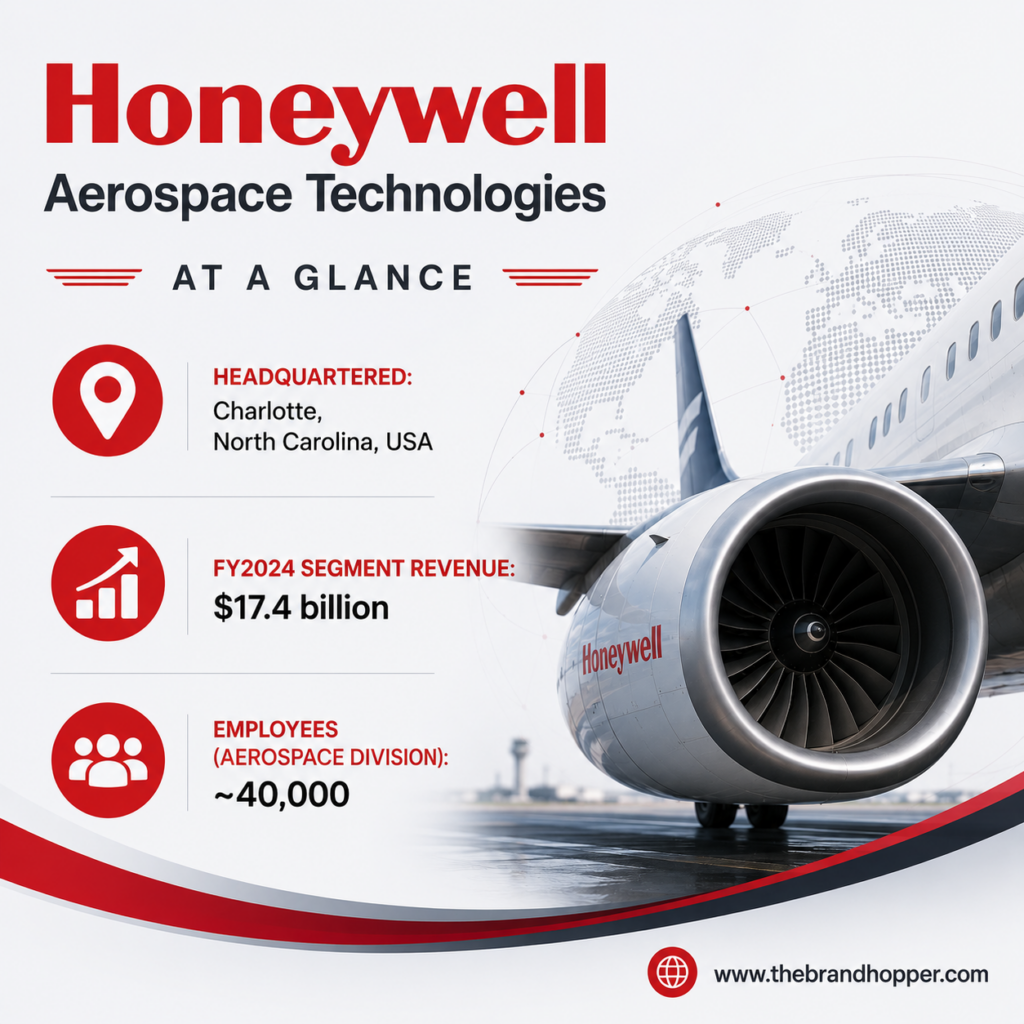
Honeywell’s Aerospace Technologies segment is one of the most direct and longest-standing competitors to RTX’s Collins Aerospace business. Both supply avionics, auxiliary power units (APUs), flight management systems, landing gear, and cockpit technologies to virtually every major aircraft OEM. Key Honeywell products include the Primus avionics suite, the 131-9 APU for the Boeing 787 Dreamliner, the HTF7000 turbofan engine for business jets, and HUMS (Health and Usage Monitoring Systems) for military rotorcraft.
In late 2024, Honeywell International announced plans to separate its aerospace segment into an independent public company — a move that, once complete, will create a dedicated competitor focused entirely on the aviation and defense systems markets where Collins Aerospace is strongest. Honeywell Aerospace also competes with Raytheon in radar and defense electronics, supplying weather radar and targeting systems to military platforms globally.
9. Textron
Website: textron.com
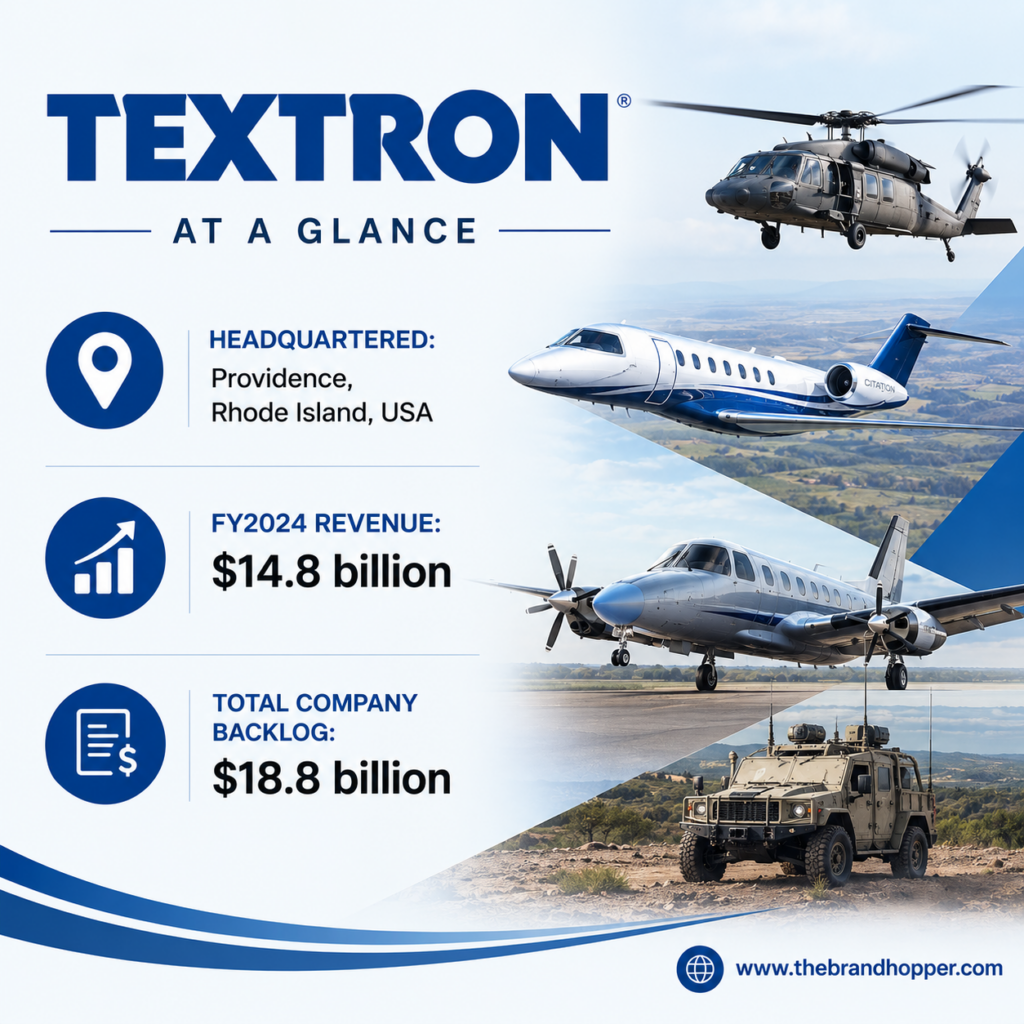
Textron competes with RTX through its Bell Textron and Textron Systems divisions. Bell Textron is one of the world’s leading military helicopter manufacturers — and a direct rival to Sikorsky (now Lockheed Martin) and, indirectly, to Collins Aerospace’s helicopter avionics business. Bell’s most significant competitive achievement is winning the US Army’s Future Long-Range Assault Aircraft (FLRAA) contract in December 2022 with its V-280 Valor tiltrotor, a program worth up to $70 billion over its lifetime.
Textron Systems produces the Shadow tactical UAV (used by the US Army and 35+ allied nations), small unmanned ground vehicles, and common missile warning systems — areas where Raytheon also competes. The Cessna and Beechcraft fixed-wing aircraft families, produced by Textron Aviation, fly training and light-attack missions that intersect with Collins Aerospace’s pilot training systems portfolio. With a growing $18.8 billion backlog and continued defense investment, Textron is expanding its footprint in the unmanned and advanced aviation markets.
10. SAIC (Science Applications International Corporation)
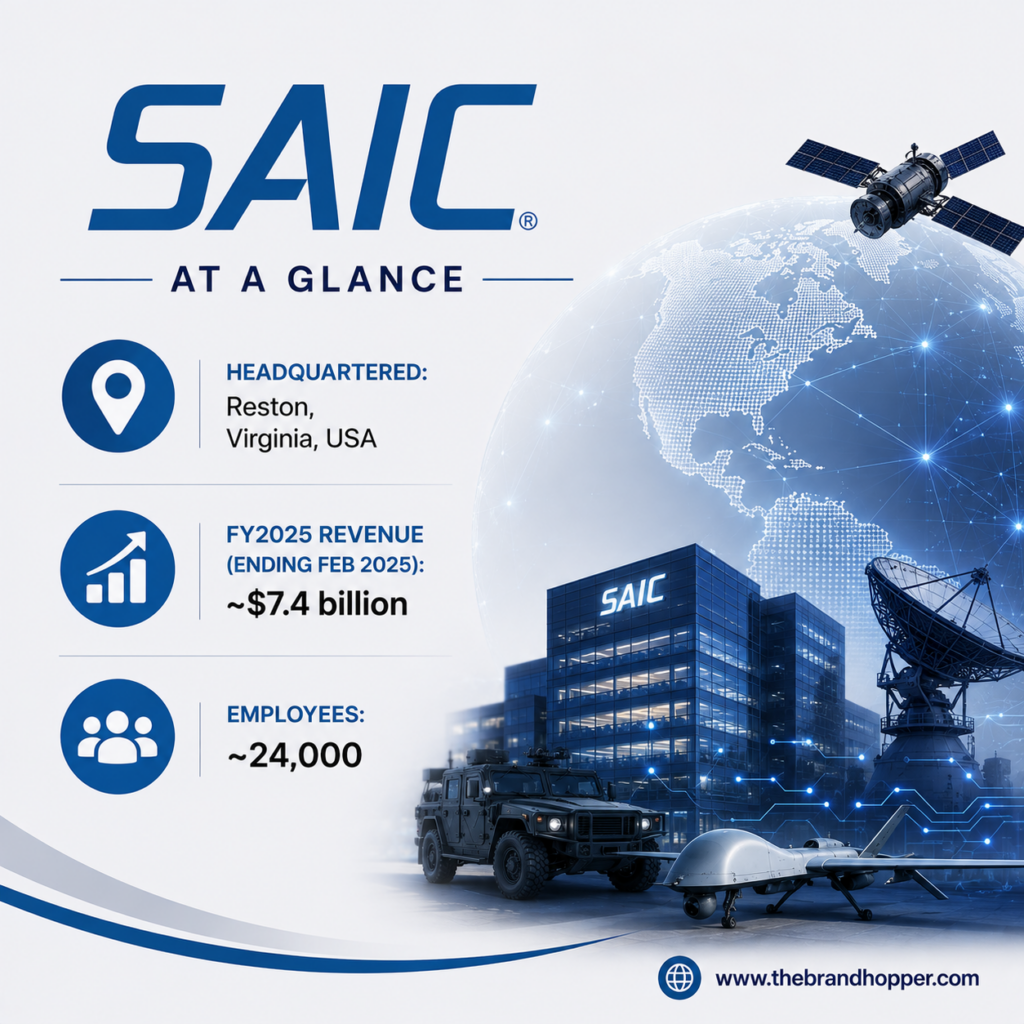
Website: saic.com
SAIC (the post-2013 entity, separate from what became Leidos) is a leading US government IT and mission solutions company. It competes with RTX in defense-focused IT modernization, C5ISR (Command, Control, Communications, Computers, Combat Systems, Intelligence, Surveillance, and Reconnaissance), cybersecurity, and digital engineering programs. SAIC holds major contracts with the US Air Force (IT modernization), Army (ERP and analytics), and the intelligence community.
While SAIC is significantly smaller than RTX, its focused positioning in the high-growth government IT and digital transformation market — estimated to be worth hundreds of billions of dollars as DoD accelerates its digital modernization agenda — makes it a relevant competitor for Raytheon’s intelligence solutions and command-and-control programs. SAIC’s AI-enabled analytics and cloud migration capabilities are increasingly overlapping with what traditional defense primes like RTX now offer.
Section C: European & Global Defense Leaders
11. BAE Systems
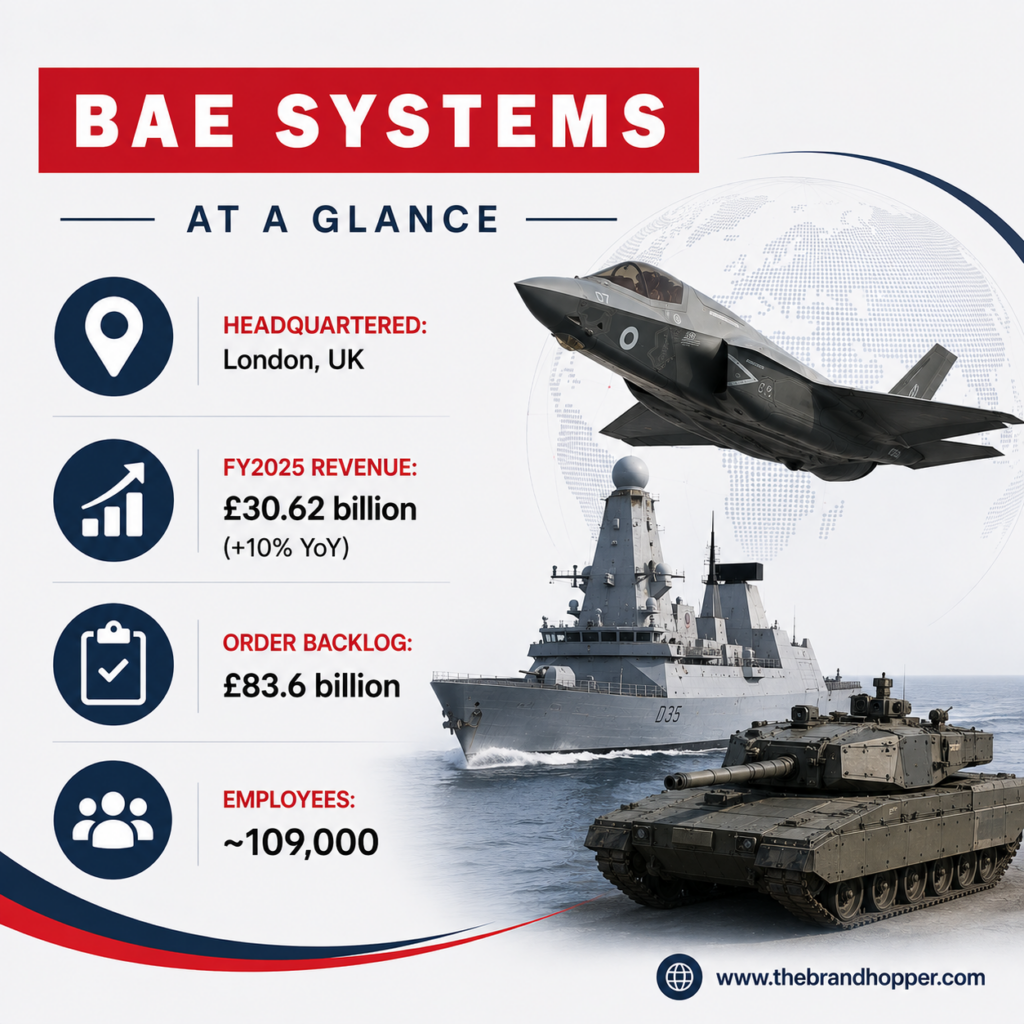
Website: baesystems.com
BAE Systems is Europe’s largest defense company and RTX’s most formidable global rival in electronic warfare and platform systems integration. BAE’s Electronic Systems division — producing radar warning receivers, electronic attack systems, sonar, and sensor-fusion solutions — is a direct competitor to Collins Aerospace and Raytheon’s electronic systems businesses. BAE manufactures approximately 15% of each F-35 airframe (fuselage sections, tail assemblies, and the electronic warfare system), making it simultaneously a partner and competitor to RTX.
The company’s 14% revenue growth in FY2024 reflects surging demand from UK, European, and US customers for air defense, cyber, and naval programs. BAE’s Platforms & Services US segment (producing M777 howitzers, Bradley IFV upgrades, and Armoured Multi-Purpose Vehicles for the US Army) competes with General Dynamics and RTX for US Army ground modernisation contracts. Its £77.8 billion backlog is one of the largest in the global defense sector.
12. Airbus Defence & Space
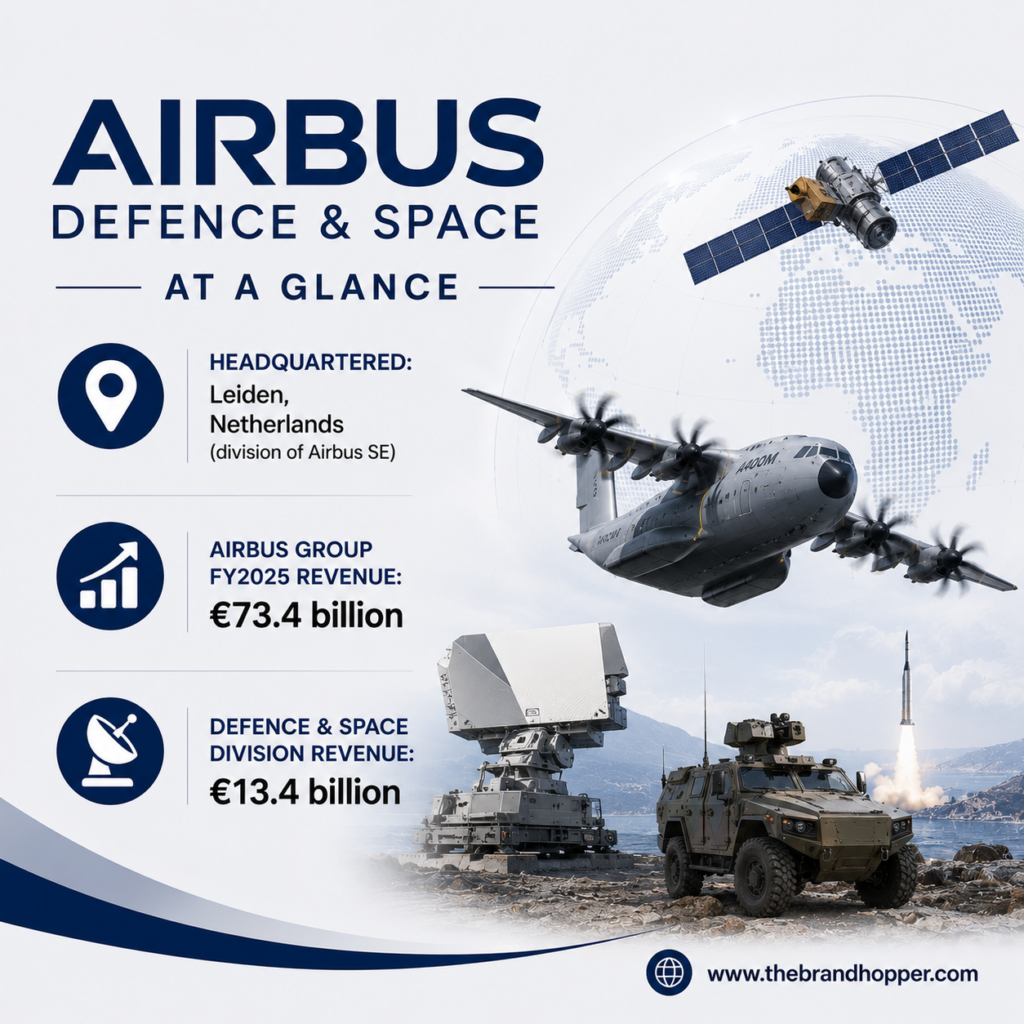
Website: airbus.com/en
Airbus Defence & Space is Europe’s second-largest defense company and a key competitor to RTX in military aircraft systems, satellite communications, and space infrastructure. Its military fixed-wing portfolio includes the A400M Atlas strategic airlifter (competing with Lockheed’s C-130J for NATO logistics requirements), the A330 MRTT multi-role tanker transport (competing against Boeing KC-46 and RTX-supported platforms), and the Eurofighter Typhoon (in partnership with BAE Systems, Leonardo, and MBDA).
In space, Airbus Defence & Space is developing next-generation communication satellites, earth observation constellations (Pleiades Neo, CSO), and the European Space Agency’s Orion service module — an area where RTX’s Collins Aerospace is also deeply invested. Through the Eurofighter program and its satellite division, Airbus D&S competes with Collins Aerospace for military avionics contracts on European platforms.
13. Thales Group
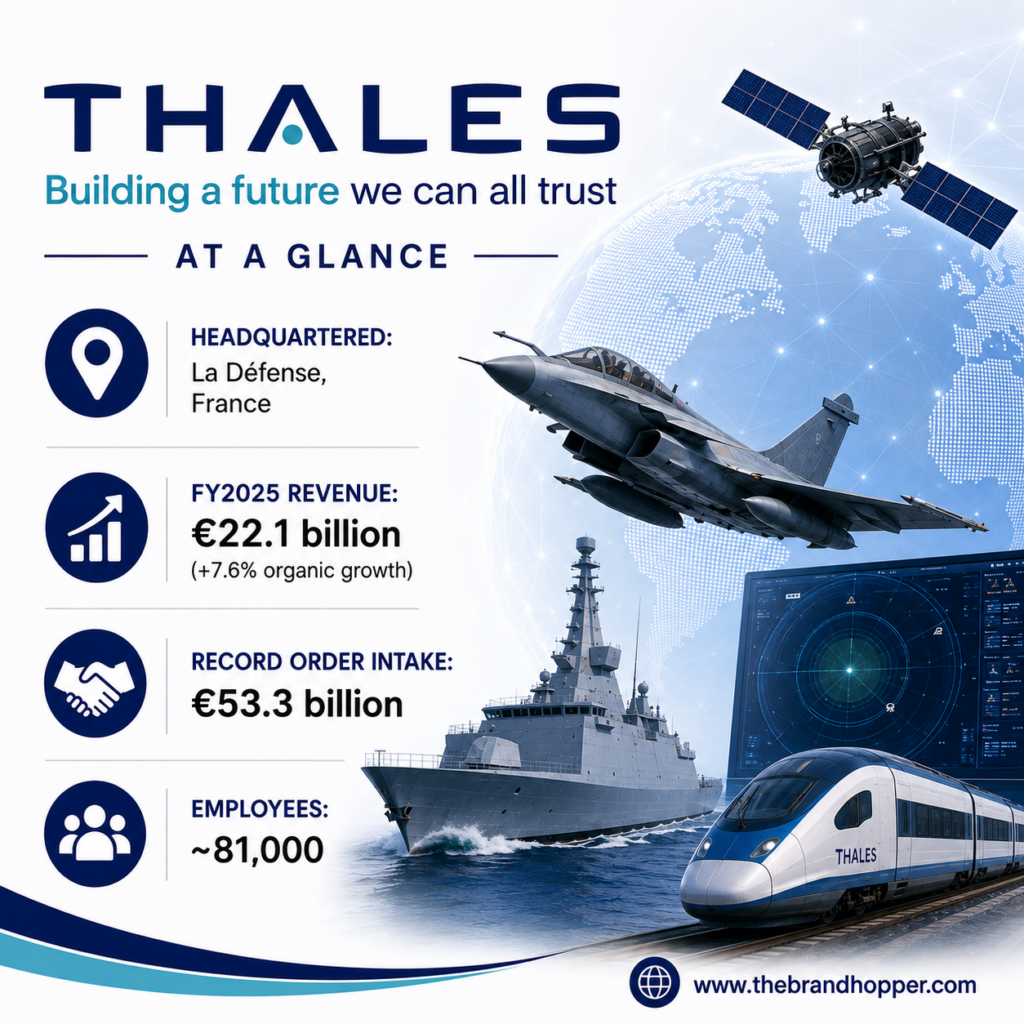
Website: thalesgroup.com
Thales Group is France’s largest defense electronics company and one of RTX’s most direct European competitors. Its five business divisions — Defence & Security, Digital Identity & Security (DIS), Aerospace, Space, and Transport — span many of the same technology domains as RTX’s Collins Aerospace and Raytheon segments. Thales’s Ground-Based Air Defence capabilities include the SAMP/T (Surface-to-Air Missile Platform/Terrain) system, which competes with Raytheon’s Patriot as a NATO-compatible advanced air and missile defense solution.
In avionics, Thales’s TopFlight flight management systems, avionics suites (for Airbus A350, A380, and A320neo families), and military cockpit solutions compete directly with Collins Aerospace on virtually every major Airbus commercial aircraft program. Thales’s sonar, naval combat systems (TACTICOS), and ground-based surveillance radars (Ground Master series) further overlap with Raytheon’s naval and ground defense portfolios. Thales’s record order intake of over €25 billion in FY2024 — driven by strong European rearmament demand — signals accelerating competition with RTX in Europe and NATO markets.
14. Safran
Website: safran-group.com
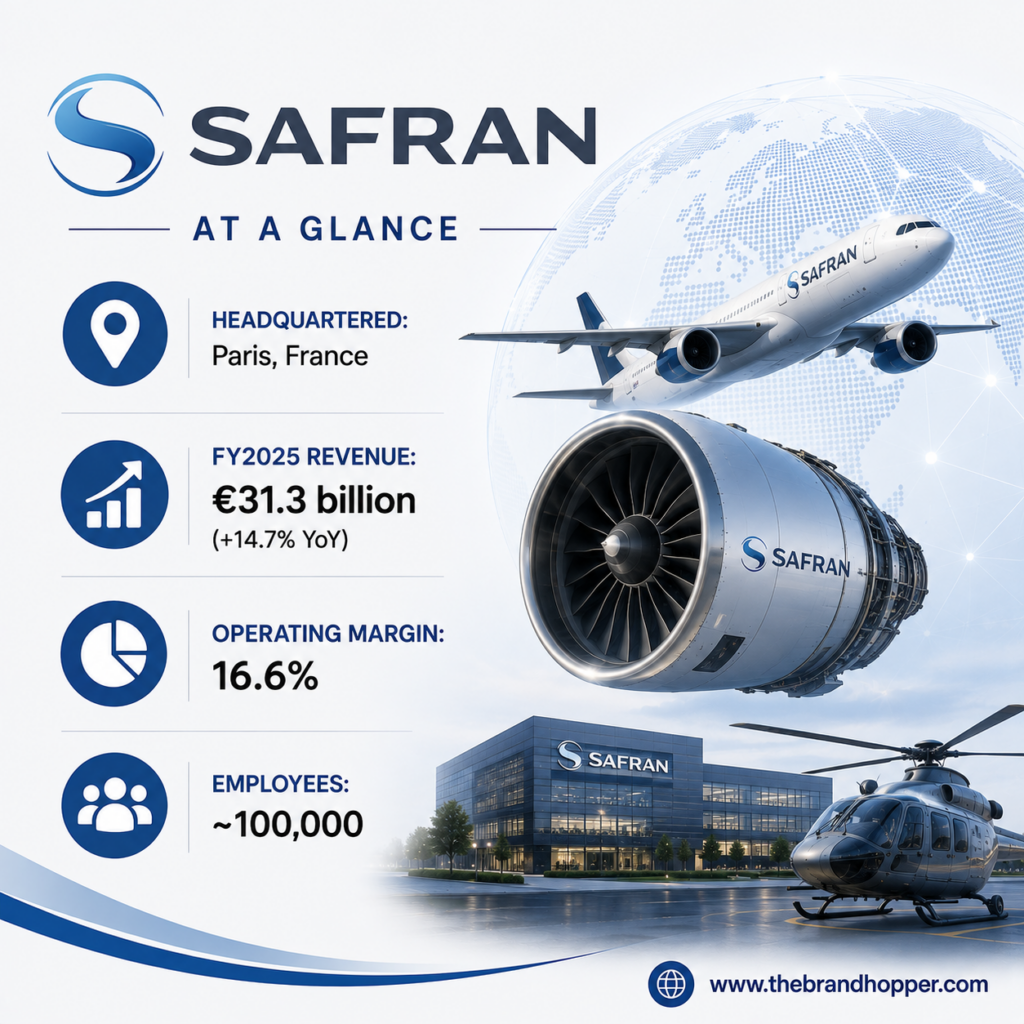
Safran is RTX’s most significant competitor in commercial aircraft propulsion — the two companies’ engine families power essentially all major narrow-body and wide-body aircraft. Through CFM International (its 50/50 joint venture with GE Aerospace), Safran produces the LEAP-1A engine (powering the Airbus A320neo family) and the LEAP-1B (powering the Boeing 737 MAX). The LEAP competes directly with Pratt & Whitney’s PW1000G GTF family for every new narrow-body aircraft order — representing a market worth hundreds of billions of dollars over the next two decades.
Beyond propulsion, Safran’s Landing Systems division (making landing gear, wheels, and brakes for Airbus, Boeing, and military aircraft) competes with Collins Aerospace’s landing systems business. Its Aircraft Interiors segment (following the Zodiac Aerospace acquisition) competes with Collins Aerospace for aircraft cabin, seat, and galley programs. Safran’s 17.8% revenue growth in FY2024 — the highest organic growth rate among major aerospace companies — was driven by record LEAP engine deliveries and a robust aftermarket, putting it on a direct collision course with Pratt & Whitney for commercial aviation market share.
15. Leonardo
Website: leonardocompany.com
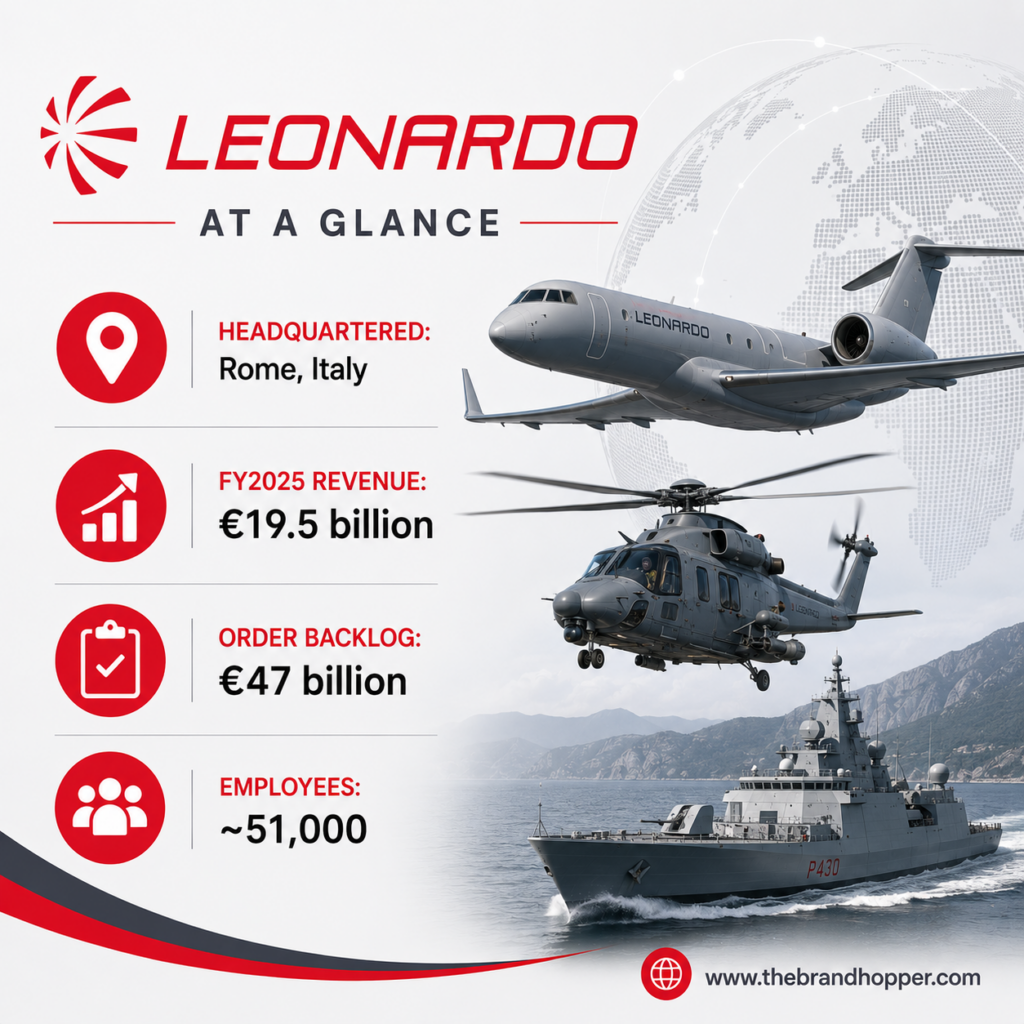
Leonardo (formerly Finmeccanica) is Italy’s national defense champion and one of Europe’s most vertically integrated defense companies. Its four divisions — Helicopters, Electronics, Aircraft, and Aerostructures — compete with RTX across multiple product lines. Leonardo Helicopters (formerly AgustaWestland) is the world’s third-largest helicopter manufacturer, producing the AW139 twin-engine helicopter, AW101 Merlin heavy transport, and AW159 Wildcat naval helicopter — military rotorcraft that use Collins Aerospace avionics and compete with systems-integration work from RTX’s Collins business.
Leonardo’s Electronics division produces the BriteCloud expendable active decoy, PIRATE infra-red search and track (IRST) sensor for Eurofighter Typhoon, Osprey AESA radar, and optronics systems — directly competing with Raytheon’s electronic warfare and targeting system portfolio. Through Thales Alenia Space (50/50 JV with Thales), Leonardo participates in European space programs including the Galileo navigation satellite system and the International Space Station’s Columbus module, overlapping with Collins Aerospace’s space systems division.
16. Rheinmetall
Website: rheinmetall.com
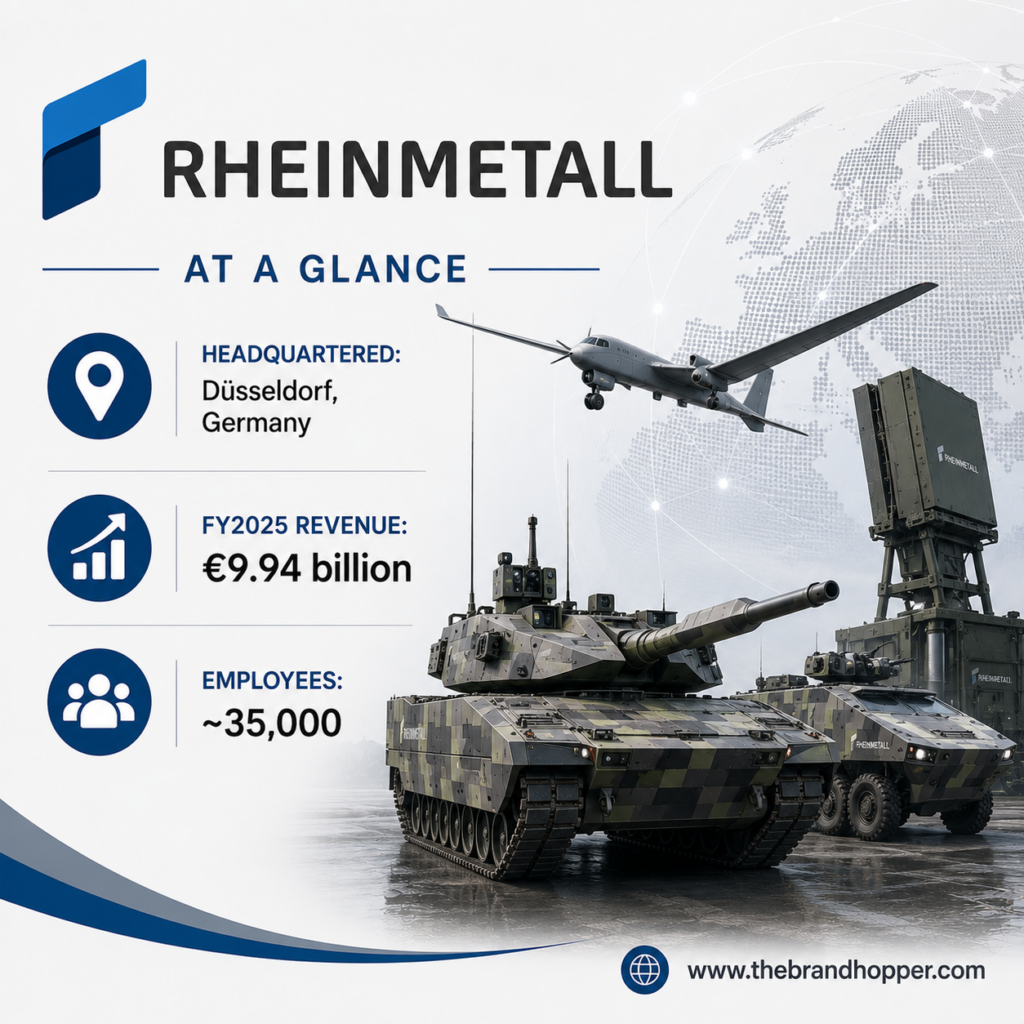
Rheinmetall is Germany’s largest defense company and one of the fastest-growing defense companies in the world, propelled by the Russia-Ukraine war and Germany’s historic decision to increase defense spending to 2% of GDP. The company’s two main divisions — Vehicle Systems and Weapon & Ammunition — produce the Lynx infantry fighting vehicle (competing for the US Army’s Optionally Manned Fighting Vehicle program), Panther next-generation main battle tank, PzH 2000 self-propelled howitzers, and the world’s most widely used 120mm tank ammunition.
In air defense — an area of peak competition with Raytheon — Rheinmetall produces the Skyranger 30 short-range air defense (SHORAD) system, designed to counter drones, helicopters, and low-flying aircraft. Rheinmetall has also established a joint venture with Leonardo (Rheinmetall Italia) and formed an ammunition JV with BAE Systems in the UK, accelerating its pan-European footprint. With revenue expected to exceed €10 billion in the near term, Rheinmetall is rapidly closing the gap with larger defense primes and challenging Raytheon in the ground-based air defense and munitions markets that are surging in European demand.
RTX’s Key Competitive Advantages
Despite a crowded and intensifying competitive landscape, RTX maintains durable advantages that make it one of the most defensible franchises in global aerospace and defense:
1. Dual-base revenue model. Unlike most defense primes, RTX derives roughly half its revenue from commercial aerospace (Collins Aerospace and Pratt & Whitney commercial engines), insulating it when defense budgets contract and providing structural diversification unavailable to pure-play defense companies like Northrop Grumman or L3Harris.
2. Aftermarket dominance. Once an RTX engine or avionics system is installed on an aircraft, the company captures high-margin aftermarket revenue for the platform’s entire service life — often 20-30 years. Pratt & Whitney’s installed base of over 10,000 commercial and military engines generates a stable stream of maintenance, repair, and overhaul (MRO) revenue that no competitor can easily displace.
3. $218 billion backlog. RTX’s record $218 billion contracted backlog provides multi-year revenue visibility that allows confident long-term investment in R&D and manufacturing capacity — a position most competitors cannot match. This backlog is roughly 2.7 times RTX’s annual revenue.
4. F-35 ecosystem centrality. Pratt & Whitney’s F135 engine is the sole powerplant for the F-35 — the world’s largest defense procurement program, with 3,000+ jets ordered across 17 nations. This sole-source position creates a revenue stream spanning decades of production plus an extensive sustainment tail.
5. Air defense brand equity. Raytheon’s Patriot air-defense system is deployed in 19 countries and has become the gold standard for theatre missile defense after its performance in Ukraine and the Middle East. The system’s combat-proven record, interoperability with NATO infrastructure, and continuous upgrade path give it a near-unassailable position that competing systems — including Thales’s SAMP/T and Russia’s S-400 — have struggled to displace.
Conclusion
RTX Corporation competes in one of the most complex and multidimensional competitive landscapes in global industry. Its $80.74 billion in FY2024 revenue and $218 billion backlog reflect the scale and durability of its three-segment model — but also the breadth of competitors it must outperform across commercial aviation, military electronics, propulsion, and defense systems.
At the top tier, Lockheed Martin, Boeing, Northrop Grumman, and General Dynamics challenge RTX for US DoD budgets and large-scale systems integration contracts. In electronics and communications, L3Harris, Thales, and Leonardo specifically target the avionics, electronic warfare, and radar segments where RTX earns its highest margins. In propulsion, Safran (via CFM International) is Pratt & Whitney’s existential rival in commercial engines — and the outcome of the LEAP vs. GTF competition for next-generation narrow-body jets will define the commercial engine landscape for decades. Emerging competitors like Rheinmetall — riding European rearmament — are accelerating into ground-based air defense and munitions, areas where Raytheon has traditionally held commanding positions.
Despite this competitive intensity, RTX’s structural advantages — its sole-source F135 engine program, combat-proven Patriot franchise, Collins Aerospace’s aftermarket flywheel, and record backlog — make it one of the most resilient and strategically diversified companies in the global aerospace and defense sector. Understanding who competes with RTX, and where, is essential for investors, procurement decision-makers, and strategic analysts tracking the future of aerospace and defense.
Frequently Asked Questions (FAQs)
Q1: Who is RTX Corporation’s biggest competitor?
A: Lockheed Martin is widely considered RTX’s biggest competitor. With FY2024 revenue of $71.04 billion, Lockheed overtakes RTX in defense revenue and competes directly in missiles (PAC-3 vs. Patriot), aircraft systems, and space. However, Boeing (at $66.52 billion total revenue) is the closest competitor across both commercial aerospace and defense when RTX is considered as a whole.
Q2: What is RTX Corporation, and is it different from Raytheon?
A: RTX Corporation (NYSE: RTX) is the same company formerly known as Raytheon Technologies. It rebranded to “RTX” in July 2023, dropping “Technologies” from its name to reflect its simplified three-segment structure: Collins Aerospace, Pratt & Whitney, and Raytheon. Raytheon Technologies itself was formed in 2020 from the merger of United Technologies’ aerospace businesses (Pratt & Whitney and Collins Aerospace) with Raytheon Company.
Q3: How does RTX compare to Lockheed Martin and Boeing in revenue?
A: In FY2024, RTX posted $80.74 billion in revenue — making it the largest US aerospace and defense company by total revenue, ahead of Boeing ($66.52 billion) and Lockheed Martin ($71.04 billion). Note: Boeing’s figure includes its large commercial aviation business, whereas Lockheed Martin and Northrop Grumman ($41.0 billion) are almost entirely defense-focused.
Q4: What does RTX’s Raytheon segment compete in?
A: Raytheon (the combined former RIS and RMD segments) competes in advanced missiles and munitions (AIM-120 AMRAAM, Tomahawk, StormBreaker), ground-based air and missile defense (Patriot, NASAMS), airborne radar and electronic warfare systems, and intelligence/command & control solutions. Its primary US competitors in these areas are Lockheed Martin, Northrop Grumman, L3Harris, and Leidos. Internationally, it competes with Thales (SAMP/T), MBDA, and Rheinmetall.
Q5: Who are RTX’s main competitors in jet engines?
A: Pratt & Whitney’s main commercial engine competitors are CFM International (the 50/50 joint venture between GE Aerospace and Safran, which makes the LEAP engine) and GE Aerospace directly (GE9X for Boeing 787-10 and 777X). In military engines, Pratt & Whitney holds the sole-source F135 contract for the F-35, but competes with GE Aerospace on other military programs such as the F414 (for F/A-18 Super Hornet and international fighters) and future advanced engine programs.
Q6: Is Rheinmetall a competitor to RTX?
A: Yes, particularly in ground-based air defense and munitions. Rheinmetall’s Skyranger short-range air defense system and its ammunition division compete with Raytheon’s air defense and weapon system portfolio in European and NATO markets. With the Russia-Ukraine war triggering massive European rearmament, Rheinmetall is one of the fastest-growing defense companies globally and is rapidly expanding into domains — such as short-range air defense — that Raytheon has historically dominated.
Q7: How does Collins Aerospace compete with Honeywell and Thales?
A: All three companies supply avionics, flight management systems, auxiliary power units, and cabin systems to commercial and military aircraft OEMs. Collins Aerospace (RTX) and Honeywell Aerospace compete directly on virtually every major aircraft platform — both, for example, supply avionics and APUs to Boeing and Airbus programs. Thales is Collins’s primary competitor on Airbus aircraft programs in Europe, supplying primary flight display systems, flight management computers, and ground-based navigation aids.
Q8: What is RTX’s backlog, and how does it compare to competitors?
A: RTX reported a record $218 billion backlog at year-end FY2024 — approximately 2.7 times its annual revenue. For comparison, Lockheed Martin’s backlog is approximately $173 billion, Boeing’s total backlog is $521 billion (predominantly commercial aircraft orders), Northrop Grumman’s is $91.5 billion, and BAE Systems’ is approximately $35.7 billion (£28.33 billion converted at prevailing exchange rates). RTX’s backlog provides exceptional long-term revenue visibility.
Q9: Is Safran bigger than Pratt & Whitney?
A: Safran Group’s total revenue of €27.3 billion in FY2024 (approximately $29 billion at average exchange rates) is larger than Pratt & Whitney as a standalone segment. However, Pratt & Whitney is part of RTX Corporation, which at $80.74 billion total revenue is significantly larger than Safran Group. In commercial narrow-body engine market share, the LEAP engine (Safran/GE) and the GTF (Pratt & Whitney) are in approximately equal competition for the Airbus A320neo and Boeing 737 MAX replacement markets.
Q10: What makes RTX different from other defense companies?
A: RTX is distinctive among defense primes for its deep integration of commercial aerospace and defense — roughly half its revenue comes from commercial aviation through Collins Aerospace and Pratt & Whitney. This dual exposure creates revenue diversification that pure-play defense companies like Northrop Grumman or L3Harris cannot match. RTX is also uniquely positioned as both a platform-level system integrator (through Raytheon’s weapons and sensors) and a component/technology supplier (through Collins Aerospace and Pratt & Whitney) — giving it revenue opportunities across every layer of the aerospace supply chain.
Also Read: Boeing’s Top Competitors
To read more content like this, subscribe to our newsletter