Last Updated on October 14, 2026 by Team TBH
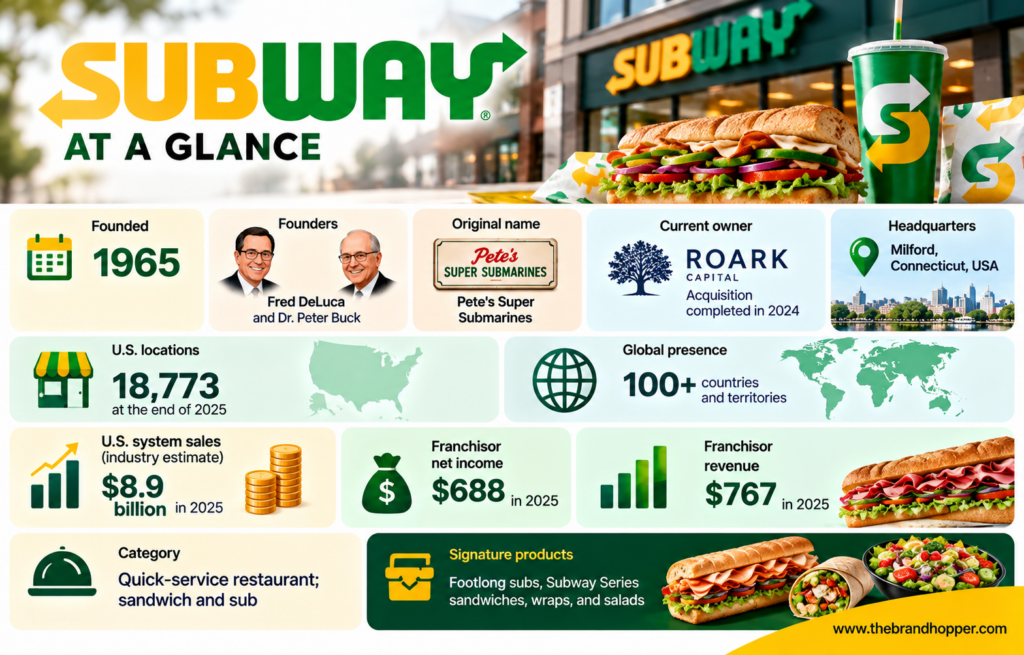
Subway is one of the world’s largest quick-service restaurant (QSR) brands by restaurant count, operating across more than 100 countries and territories. Founded in 1965, the company built its identity around made-to-order sandwiches that customers can customise with their preferred bread, proteins, vegetables, and sauces.
Unlike many traditional fast-food chains, Subway developed a service model in which customers can watch their sandwiches being assembled. This combination of convenience, personalisation, and visible preparation remains central to its brand positioning.
Subway has undergone a major transformation in recent years. Following its acquisition by Roark Capital in 2024, the company has continued to focus on menu improvements, restaurant modernisation, digital ordering, franchisee economics, and international expansion.
The brand is also rationalising its U.S. restaurant network. Subway ended 2025 with 18,773 U.S. locations, following a net decline of 729 restaurants during the year. Industry reporting estimates its 2025 U.S. system sales at approximately $8.9 billion, highlighting the challenges of rebuilding growth while closing underperforming locations.
Internationally, Subway continues to pursue expansion through franchise partnerships and development agreements. This strategy allows it to enter new markets while relying on local franchise partners to operate restaurants.
This article analyses Subway’s marketing strategies, marketing mix (4Ps), and STP framework to explain how the brand built its global presence, how its strategy is evolving, and what challenges it faces in the competitive QSR market.
The Glorious History of Subway
The Birth of a Sandwich Empire (1965)
Subway’s origin story began in 1965 when 17-year-old Fred DeLuca sought a way to fund his college education. Family friend Dr. Peter Buck lent him $1,000 and suggested opening a submarine sandwich shop.
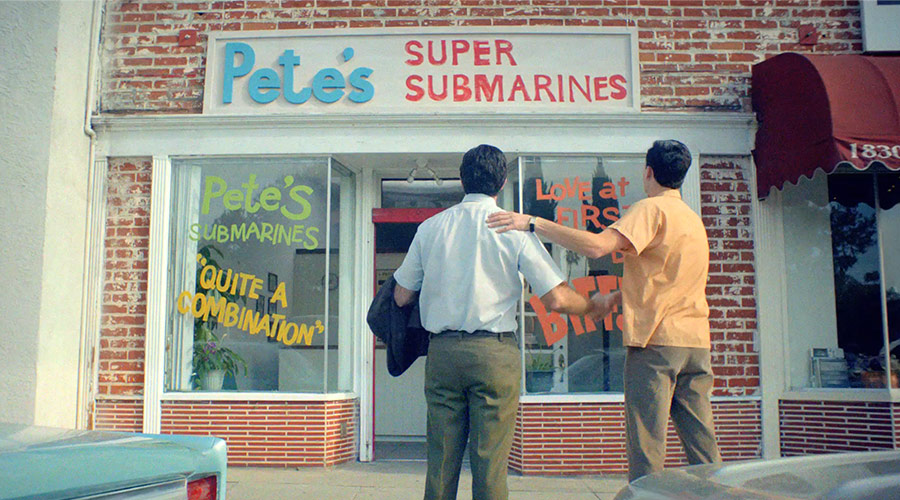
The partners opened their first restaurant, Pete’s Super Submarines, in Bridgeport, Connecticut. Their initial ambition was to build a successful local business, but the model eventually evolved into a franchise-led restaurant chain.
Rebranding as Subway and Early Expansion (1968–1980s)
In 1968, the business adopted the name Subway. The founders subsequently developed a franchising model that allowed independent operators to open restaurants in new locations.
Subway’s relatively compact restaurant format and customisable menu supported expansion across the United States. Franchising became the foundation of its international growth, enabling the brand to scale without directly operating every restaurant.
The brand’s counter-service model also helped differentiate it from conventional fast-food chains. Customers could choose ingredients and watch staff assemble their sandwiches, making customisation a defining part of the experience.
The Footlong, the Subway Diet, and the Growth Peak (1990s–2015)
Subway’s footlong sandwich became one of its most recognisable products. The $5 Footlong promotion, introduced in 2008, strengthened its value positioning and became one of the brand’s most memorable marketing campaigns.
Subway also built a strong health-oriented image through its ingredient customisation and nutritional messaging. In 1999, Jared Fogle’s weight-loss story became the basis of a widely publicised advertising campaign that associated Subway with healthier eating.
That association ended in 2015 following Fogle’s criminal conviction. The brand subsequently had to move away from an advertising identity closely associated with a single spokesperson.
Subway reached a peak of more than 27,000 U.S. restaurants in 2015. Its large footprint established it as one of the world’s most geographically extensive restaurant chains, but it also created challenges around store productivity and franchisee profitability.
Decline and Reset (2015–2021)
From 2015 onward, Subway’s U.S. restaurant count declined as closures exceeded openings. Changing consumer preferences, competition from fast-casual brands, inconsistent restaurant experiences, and concerns about the brand’s relevance contributed to its challenges.
The chain also faced increasing competition from sandwich specialists such as Jersey Mike’s and Jimmy John’s, as well as broader QSR and fast-casual brands. Many competitors offered distinctive signature products and stronger restaurant-level sales.
Founder Fred DeLuca died in 2015, and the business continued under family ownership before the subsequent sale to Roark Capital.
Eat Fresh Refresh and the Roark Capital Era (2021–Present)
In July 2021, Subway launched Eat Fresh Refresh, its most comprehensive menu update at the time. The programme introduced more than 20 menu changes, including 11 new or improved ingredients, six new or returning sandwiches, and four revamped signature sandwiches.
The launch also included improvements to bread, sauces, and the overall guest experience. Subway reported that August 2021 delivered its strongest U.S. restaurant sales for that month since 2013, although the 33% sales increase applied specifically to its top-performing quartile of restaurants.
Subway’s transformation has continued through menu development, store redesigns, digital improvements, and franchise support. In April 2024, Roark Capital completed its acquisition of Subway, ending nearly six decades of family ownership. The transaction’s official financial terms were not disclosed.
Under Roark, Subway is pursuing a strategy that balances U.S. restaurant rationalisation with international development. The brand’s challenge is to improve the performance of existing restaurants while ensuring that new locations and franchise agreements deliver sustainable growth.
Subway’s Marketing Strategies: A Comprehensive Analysis
Subway’s marketing has evolved from a simple freshness-led message into a broader strategy encompassing menu innovation, value, digital ordering, loyalty, and restaurant experience. Its current approach reflects the need to rebuild customer relevance while improving franchisee economics.
1. Differentiated Value Proposition: Freshness and Customisation
Subway’s core proposition is the ability to customise a sandwich according to individual preferences. Customers can choose their bread, protein, vegetables, sauces, and other ingredients, creating a meal tailored to their tastes.
The Eat Fresh Refresh programme reinforced this proposition by updating ingredients and recipes. However, freshness is a brand promise rather than a guarantee that every ingredient or preparation method is identical across markets.
Subway has also developed the Subway Series, a range of named signature sandwiches designed for customers who prefer selecting a recommended combination instead of building their own order from scratch.
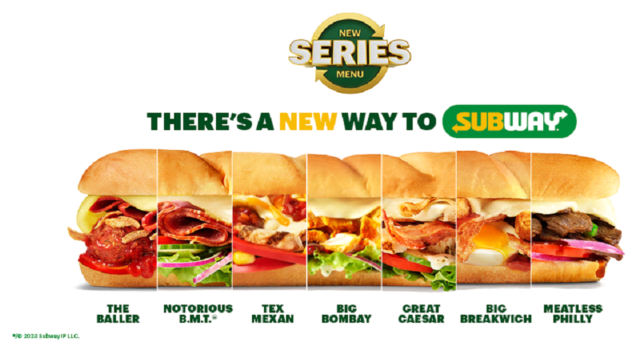
This dual approach gives Subway two distinct ordering experiences: customisation for customers who want control and curated options for those who value simplicity.
2. Health and Wellness Positioning
Subway has historically positioned itself as an alternative to traditional fast food by emphasising vegetables, customisation, and nutritional transparency. Customers can often adjust ingredients and portion choices to suit their preferences.
However, Subway should not automatically be described as a universally healthier option. Nutritional value varies according to bread, sauces, proteins, portion sizes, and the final combination selected.
In India, vegetarian menu options are an important part of the brand’s localisation strategy. Other markets adapt their menus to local dietary preferences, regulations, and customer expectations.
The brand’s opportunity is to make nutritional information accessible while allowing consumers to choose meals that match their own dietary goals.
3. Brand Identity and the “Eat Fresh” Legacy
Subway has built strong visual recognition through its green-and-yellow colour palette, sandwich-shop format, and freshness-led messaging. Its brand identity is closely associated with customisation and made-to-order sandwiches.
The Eat Fresh Refresh programme extended beyond the menu to include updates to restaurant presentation, packaging, and digital experiences. These changes aimed to make the brand feel more modern without abandoning its established identity.

Subway’s newer restaurant designs and digital menu boards also support a more consistent customer experience. Their impact depends on implementation across individual franchise locations.
4. Targeted and Data-Driven Marketing Campaigns
Subway uses a combination of mass-media advertising and more targeted customer communications. National campaigns can introduce menu innovations and build awareness, while app-based offers and customer relationship management (CRM) help encourage repeat visits.
Digital channels enable the company to communicate with participating customers based on factors such as order history, location, and promotional eligibility. The effectiveness of this approach depends on customer consent, data quality, and the ability to connect offers with actual purchasing behaviour.
Subway also adapts campaigns to individual markets. Local menu launches, cultural occasions, and regional media plans help the brand maintain global recognition while remaining relevant to local audiences.
5. Digital Marketing, Social Media and Influencer Strategy
Subway maintains an active and substantial presence across all major social media platforms, including Instagram, TikTok, X (Twitter), Facebook, and YouTube. Its social strategy combines food content (ingredient showcases, menu launches), consumer engagement (polls, UGC campaigns), promotional messaging (LTO announcements, loyalty offers), and influencer partnerships.
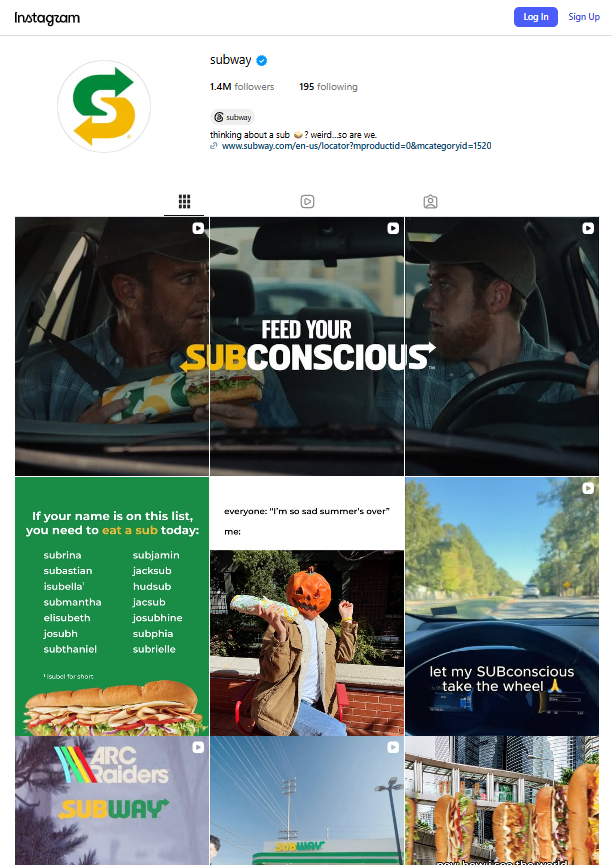
The brand has worked with a wide range of creators — from macro-influencers in the fitness and lifestyle space (reinforcing the health positioning) to food-specific creators who document their custom orders, effectively generating authentic earned media.
Subway’s direct mail efforts are also notable for their digital integration: a recent campaign reached over 4 million households and generated more than 9 million QR codes, with an estimated 14 percent redemption rate — far above the typical direct mail response benchmark. This cross-channel approach, combining physical direct mail with digital redemption, reflects Subway’s attempt to reach both digitally engaged consumers and older, less app-native demographics. Source: Latterly.org; industry estimates.
6. Strategic Partnerships and Co-Branding
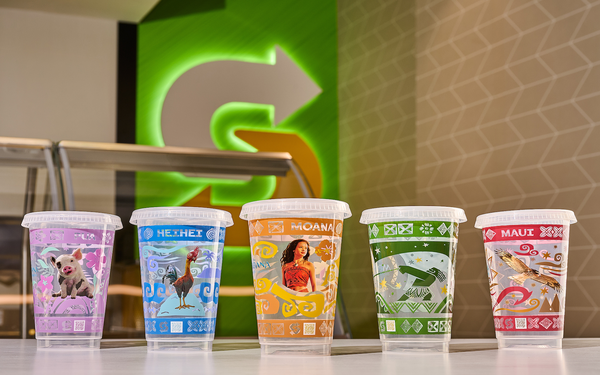
Subway has a long history of using strategic partnerships to extend its brand reach and strengthen its positioning. Sports partnerships — including associations with FIFA, the NFL, and various national sports bodies — link the Subway brand with athleticism, energy, and performance, reinforcing the health narrative. A partnership with PepsiCo ensured that Subway’s beverage offering aligned with one of the world’s leading beverage brands, while collaborations with entertainment brands like Disney created cross-promotional opportunities that drove family-occasion visits.
Subway has also been exploring partnerships in the digital and delivery space — including integrations with major third-party delivery platforms — to ensure that its products are available wherever and whenever consumers want them. Delivery has become an increasingly important channel for QSR brands, and Subway’s ability to convert its store network into dark kitchen-style fulfilment hubs represents a meaningful competitive opportunity.
7. Continuous Menu Innovation and Limited-Time Offers
Menu innovation is a central pillar of Subway’s marketing strategy and one of the primary drivers of both new-customer acquisition and existing-customer frequency. The brand launches multiple limited-time offers (LTOs) each year, creating seasonal urgency and giving loyal customers a reason to visit even when their regular order is well established. The Subway Series represents a more permanent form of menu curation: rather than rotating in and out, the Series provides a stable lineup of signature items that carry their own identity and can be individually marketed.
Subway’s menu has also expanded well beyond its sandwich-shop roots. The current lineup includes salads, wraps, paninis, and a growing breakfast offer — with the breakfast occasion representing a significant untapped opportunity given Subway’s store hours and ingredient infrastructure. Vegan and plant-based options have been introduced across multiple markets in response to changing dietary preferences, including plant-based protein options developed in partnership with suppliers including Beyond Meat in select regions.
8. Franchise-First Culture and Franchisee Support
Unlike chains that operate primarily through company-owned stores, Subway is almost entirely franchise-operated — which means that its marketing strategy must work not only to attract and retain consumers, but also to attract, support, and motivate franchisees. Subway’s relatively low start-up costs (compared to most QSR competitors), comprehensive training programme, and regional franchise support infrastructure have historically made it one of the most accessible franchise opportunities globally, with particularly strong penetration in non-traditional locations (hospitals, airports, university campuses, petrol stations, and convenience stores).
Under Roark Capital, Subway is investing in franchisee profitability as a strategic priority: higher average unit volumes benefit both franchisees and the franchisor, and the ongoing store closure programme — removing underperforming units from the network — is intended to improve system-wide economics and reduce intra-brand cannibalisation. The shift from volume (maximum number of stores) to quality (stronger economics per store) represents a fundamental strategic evolution for Subway.
Subway’s Digital Transformation and Loyalty Strategy
Digital ordering and loyalty have become important elements of Subway’s customer engagement strategy. Its mobile app and online ordering channels can help customers place orders, discover promotions, and access rewards at participating restaurants.
The U.S. Sub Club programme has changed over time. The older fourth-Footlong-free mechanic was discontinued in April 2026 and replaced with a points-based system. Under the current U.S. programme, members earn 10 points per $1 spent, and 400 points can be redeemed for $2 in Subway Cash, subject to the programme’s terms and participating-location availability.
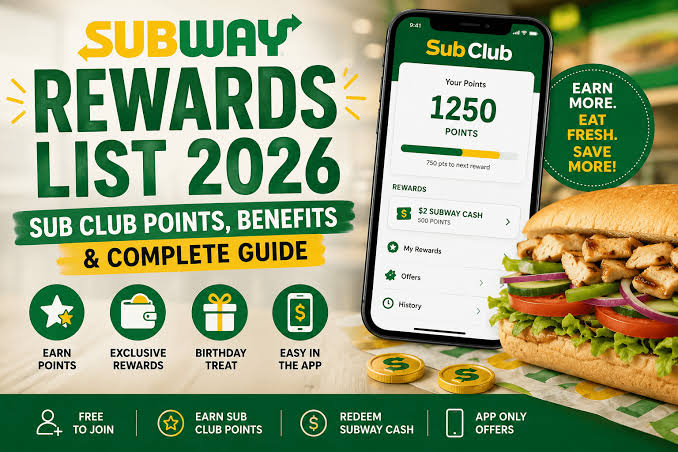
The programme can encourage repeat purchases by rewarding continued engagement. Its effectiveness should be assessed through measures such as active members, redemption rates, visit frequency, and incremental sales rather than membership growth alone.
Subway’s wider digital ecosystem includes app-based ordering, online ordering, delivery integrations, and digital menu boards. These capabilities help connect marketing activity with the purchase experience, although features and availability differ by market.
Marketing Mix of Subway (4Ps)
Product
Subway’s product portfolio is built around submarine sandwiches but extends to wraps, salads, and other items depending on the market. Customers can select build-your-own sandwiches or choose from signature combinations under the Subway Series.
The Eat Fresh Refresh programme updated ingredients and recipes, helping reinforce the brand’s freshness and quality positioning. Subway continues to use menu innovation and product combinations to give customers more choice.
Localisation is an important part of its product strategy. In India, vegetarian choices and local preferences influence the menu, while other markets adapt products to local dietary requirements and tastes.
Price
Subway generally positions itself as an accessible quick-service restaurant with options across different price points. Its customisable menu allows customers to choose combinations according to their preferences and budget, although prices vary by country, restaurant, and product.
The $5 Footlong promotion remains a significant part of Subway’s marketing history, but it is not a permanent nationwide price offer. Inflation, ingredient costs, labour expenses, and competitive conditions have influenced menu pricing over time.
Subway also uses promotional offers and loyalty rewards to support perceived value. The challenge is to maintain affordability while ensuring that franchisees can cover operating costs and generate sustainable returns.
Place
Subway’s restaurant network has historically been a major competitive advantage. Its restaurants operate in a range of locations, including shopping areas, transport hubs, educational institutions, and other non-traditional venues.
The U.S. network has contracted significantly from its peak, with 18,773 locations at the end of 2025. The reduction reflects years of closures as the brand seeks to improve the performance of its remaining stores.
Internationally, Subway continues to pursue expansion through franchise partnerships and development agreements. Digital ordering and delivery platforms further extend access to customers who prefer not to visit a restaurant in person.
Promotion
Subway’s promotional strategy combines national advertising, digital campaigns, social media, menu launches, and local offers. Its long-running freshness message and recognisable products provide a foundation for brand communications.
Personalised marketing through apps, email, and loyalty programmes can help encourage repeat visits. Limited-time offers and signature menu items give the brand additional reasons to communicate with customers throughout the year.
Promotional effectiveness ultimately depends on whether campaigns generate incremental purchases, improve customer retention, and support profitable restaurant operations.
STP Analysis of Subway
Segmentation
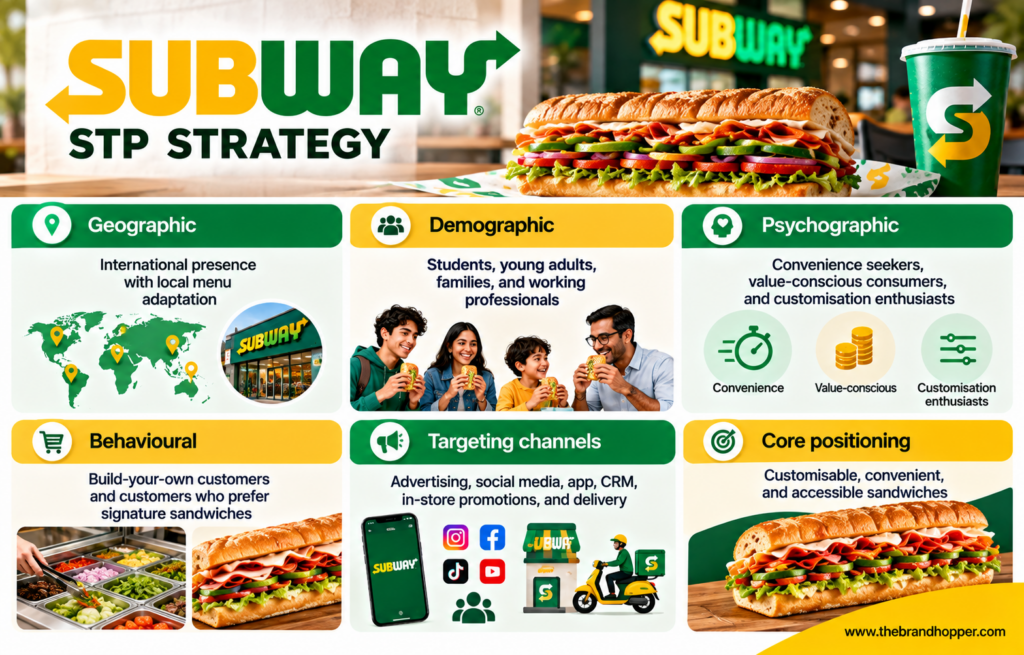
Subway segments its market across geographic, demographic, psychographic, and behavioural dimensions. This approach reflects the variety of consumers and dining occasions across its international network.
Geographic segmentation influences product localisation and communication. Vegetarian options are important in India, while other markets adapt their menus to local ingredients, cultural expectations, and dietary requirements.
Demographic segmentation includes students, young adults, families, and working professionals. These groups may value convenience, customisation, affordability, or a quick meal during the working day.
Psychographic segmentation includes consumers who want control over ingredients, people seeking convenient meals, and customers who prioritise value. Subway’s proposition can appeal to these groups, although individual motivations vary.
Behavioural segmentation can distinguish customers who prefer to build their own sandwiches from those who prefer ready-designed signature combinations. The Subway Series supports the latter group by simplifying ordering.
Targeting
Subway reaches its target markets through a combination of mass advertising, digital marketing, local promotions, and restaurant-level communication.
Its main channels include:
- Television and digital video for broad awareness and menu launches.
- Social media for food content, creator partnerships, and consumer engagement.
- The Subway app and CRM for eligible offers, loyalty activity, and retention.
- In-store displays and digital menu boards for product discovery and upselling.
- Direct mail and QR-code promotions where suitable for local audiences.
- Delivery platforms for consumers ordering at home or work.
The relative importance of these channels varies by market. Effective targeting requires connecting marketing spend with measurable business outcomes, such as visits, average order value, and repeat purchases.
Positioning
Subway’s positioning is anchored in customisation, convenience, and accessibility, supported by a long-standing freshness message. Customers can choose ingredients and see their sandwiches prepared, differentiating the brand from more standardised QSR offerings.
The Subway Series adds a complementary proposition based on curated menu choices. Customers who do not want to customise every ingredient can select a signature combination instead.
Together, these approaches allow Subway to appeal to consumers seeking control over their meal as well as those who prefer a simpler ordering experience.
Frequently Asked Questions (FAQs)
Q1. What is Subway’s core marketing strategy?
A: Subway’s marketing strategy centres on customisation, convenience, menu innovation, and value. Digital ordering, loyalty rewards, and multichannel campaigns support customer retention and repeat visits.
Q2. What was the Eat Fresh Refresh and why was it important?
A: Launched in July 2021, Eat Fresh Refresh was Subway’s largest menu update at the time. It introduced more than 20 menu changes and supported a broader transformation of the customer experience. Subway reported its strongest August U.S. sales since 2013, with the 33% increase applying to its top-performing quartile of restaurants.
Q3. How many Subway locations are there globally?
A: Subway operates in more than 100 countries and territories. It ended 2025 with 18,773 U.S. restaurants, while recent industry reporting places its global network at approximately 35,000 locations. Global counts can vary by reporting date and methodology.
Q4. Who owns Subway now?
A: Roark Capital owns Subway, having completed the acquisition on April 30, 2024. The transaction ended the founding family’s nearly 60-year ownership of the business.
Q5. What is the Subway Series?
A: The Subway Series is a lineup of signature sandwiches with pre-designed ingredient combinations. It gives customers an alternative to building their own sandwiches and makes specific menu items easier to promote.
Q6. How does the Subway Sub Club loyalty programme work?
A: Under the current U.S. programme, members earn 10 points for every $1 spent, with 400 points redeemable for $2 in Subway Cash, subject to programme terms. This replaced the previous fourth-Footlong-free mechanic in April 2026.
Q7. Who are Subway’s main competitors?
A: Subway competes directly with sandwich chains such as Jersey Mike’s, Jimmy John’s, and Firehouse Subs. It also competes with broader QSR and fast-casual brands, including McDonald’s, Taco Bell, Chipotle, and Panera, depending on the dining occasion.
Q8. What is Subway’s target market?
A: Subway serves a broad audience that includes students, working professionals, families, and consumers seeking convenient meals. Its customisation model appeals to people who want control over ingredients, while its signature sandwiches serve customers who prefer a simpler ordering experience.
Also Read: Marketing Strategies, Marketing Mix and STP of Domino’s Pizza
Conclusion
Subway’s history illustrates both the advantages and the limitations of a large franchise network. Its customisable sandwiches and accessible restaurant format helped it expand globally, but a high store count did not prevent years of U.S. closures and competitive pressure.
The brand’s current strategy focuses on improving the performance of existing restaurants, modernising the customer experience, expanding digital ordering and loyalty, and developing international markets through franchise partners. The Eat Fresh Refresh and Subway Series have supported menu and brand evolution, while the revised Sub Club programme reflects a continued focus on customer retention.
Challenges remain. Subway ended 2025 with fewer U.S. restaurants, and its system sales and franchisor financial figures must be assessed separately to understand the health of the overall franchise network.
Subway’s long-term success will depend on translating brand recognition into stronger restaurant-level economics and repeat customer visits. Its global presence and customisation-led identity remain valuable assets, but sustained recovery will require consistent execution across both the customer experience and franchise operations.
To read more content like this, subscribe to our newsletter