Last Updated on August 25, 2026 by Team TBH
Quick answer: Puma SE is a publicly traded German company (Frankfurt Stock Exchange: PUM). Its largest shareholder is about to change hands: in January 2026, Chinese sportswear giant Anta Sports agreed to buy a 29.06% stake from the Pinault family’s holding company, Artémis, for approximately €1.5 billion, making Anta the largest single shareholder pending regulatory approval. Puma was founded in 1948 by Rudolf Dassler, whose bitter split from his brother Adi (who went on to found Adidas) remains one of the most famous rivalries in business history. Beyond its flagship brand, Puma Group also owns Cobra Golf and stichd.
Puma is one of the most recognizable sportswear brands on the planet, but its ownership story is arguably more dramatic than any shoe it’s ever released: a family feud that split a town, a near-bankruptcy, a French luxury takeover, and now a Chinese sportswear giant buying in. Here’s the complete history, current ownership structure, and brand portfolio behind the leaping cat logo.
How Puma Was Born: The Dassler Brothers’ Feud
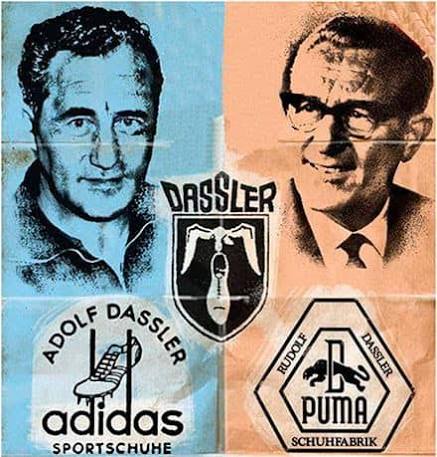
Puma’s story starts in 1924, when brothers Adolf “Adi” Dassler and Rudolf “Rudi” Dassler founded Gebrüder Dassler Schuhfabrik (Dassler Brothers Shoe Factory) in Herzogenaurach, Bavaria, working out of their mother’s laundry room.
The business thrived, even supplying shoes for the 1936 Berlin Olympics, but wartime tensions and personal disputes between the brothers escalated into an irreparable rift.
In January 1948, Rudolf registered his own company, initially called “Ruda,” which was quickly renamed PUMA Schuhfabrik Rudolf Dassler.
Adi founded his own rival company the following year: Adidas.
The brothers reportedly never spoke to one another again. Their falling-out was so complete that it split their hometown in two: Herzogenaurach became known as “the town of bent necks,” where residents would glance down at a stranger’s shoes to determine which brand — and therefore which side of town’s loyalty — they belonged to before deciding how to treat them.
Even in death, the divide held: the Dassler brothers are buried at opposite ends of the same Herzogenaurach cemetery.
From Family Business to Wall Street: Puma’s Rocky Early Public Years
Puma remained a Dassler family business for decades after the split, but by the mid-1980s the founding family began selling off its shares, and Puma became a publicly traded company.
The transition didn’t go smoothly. By the early 1990s, Puma was in genuine financial trouble, widely described at the time as an “endangered species” of a brand, overtaken by better-funded competitors and struggling for relevance.
The Jochen Zeitz Turnaround: How Puma Nearly Died and Came Back
Puma’s rescue came in 1993, when Jochen Zeitz was appointed CEO and Chairman at just 30 years old, making him the youngest CEO ever to lead a publicly listed German company at the time.
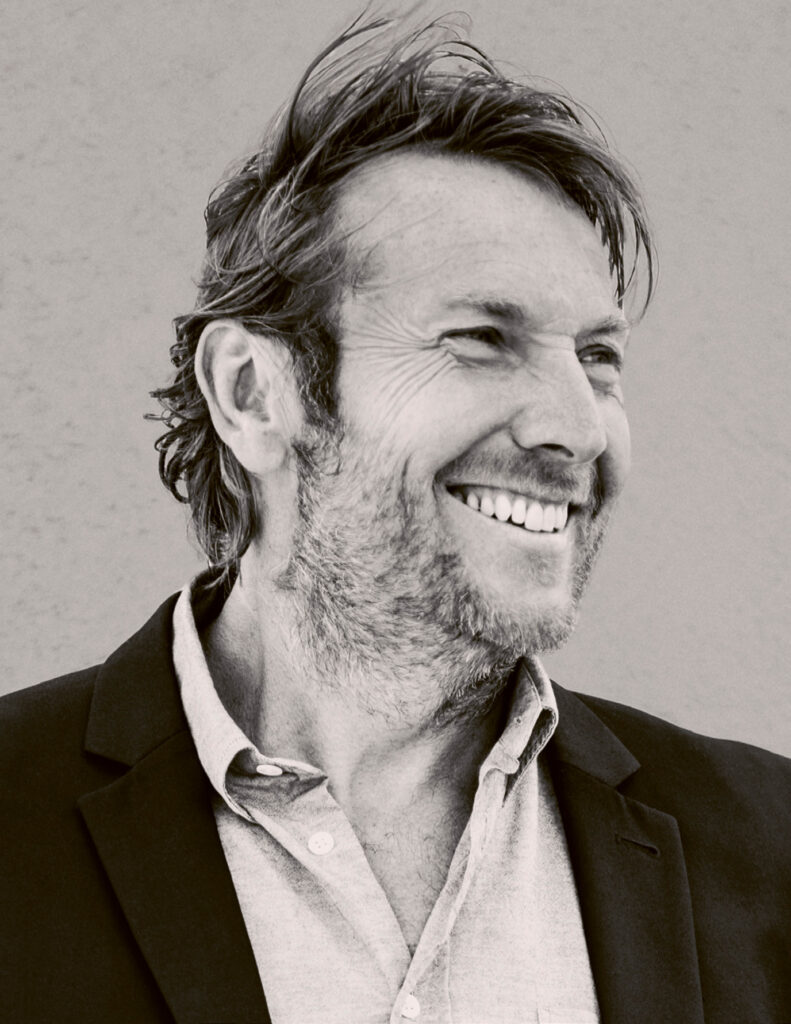
Zeitz executed a dramatic restructuring: cutting the workforce by roughly half, shifting manufacturing to lower-cost regions in Asia, and repositioning Puma away from cheap commodity sportswear toward a premium “sportlifestyle” identity that blended performance and fashion.
The turnaround is one of the great corporate comeback stories in German business history.
Puma’s share price rose approximately 4,000% over Zeitz’s 13-year tenure, climbing from around €8.60 when he took over to an all-time high of roughly €350 by 2007, the same year the company changed ownership hands entirely.
Kering’s Ownership Era (2007–2018)
In 2007, French luxury conglomerate PPR (which later renamed itself Kering, and now owns Gucci, Balenciaga, and Saint Laurent) acquired a controlling stake in Puma, eventually building its holding up to roughly 86% of shares.
The deal, struck near Puma’s share-price peak, was part of PPR/Kering’s strategy at the time to diversify beyond pure luxury fashion into sport and lifestyle.
That strategy eventually reversed. As Kering refocused entirely on luxury goods over the following decade, it began unwinding its Puma stake, selling down and distributing shares starting around 2018.
Independence Again: The 2018 Spin-Off
By 2018, Kering had sold off roughly 70% of its Puma holding, distributing much of it directly to Kering’s own shareholders, while retaining a residual stake through Artémis, the Pinault family’s private investment holding company (also the controlling shareholder of Kering itself).
Puma effectively became an independent, freestanding public company again, no longer controlled by a parent conglomerate, with Artémis remaining its largest shareholder at around 29%.
Who Owns Puma Now? The 2026 Anta Sports Deal
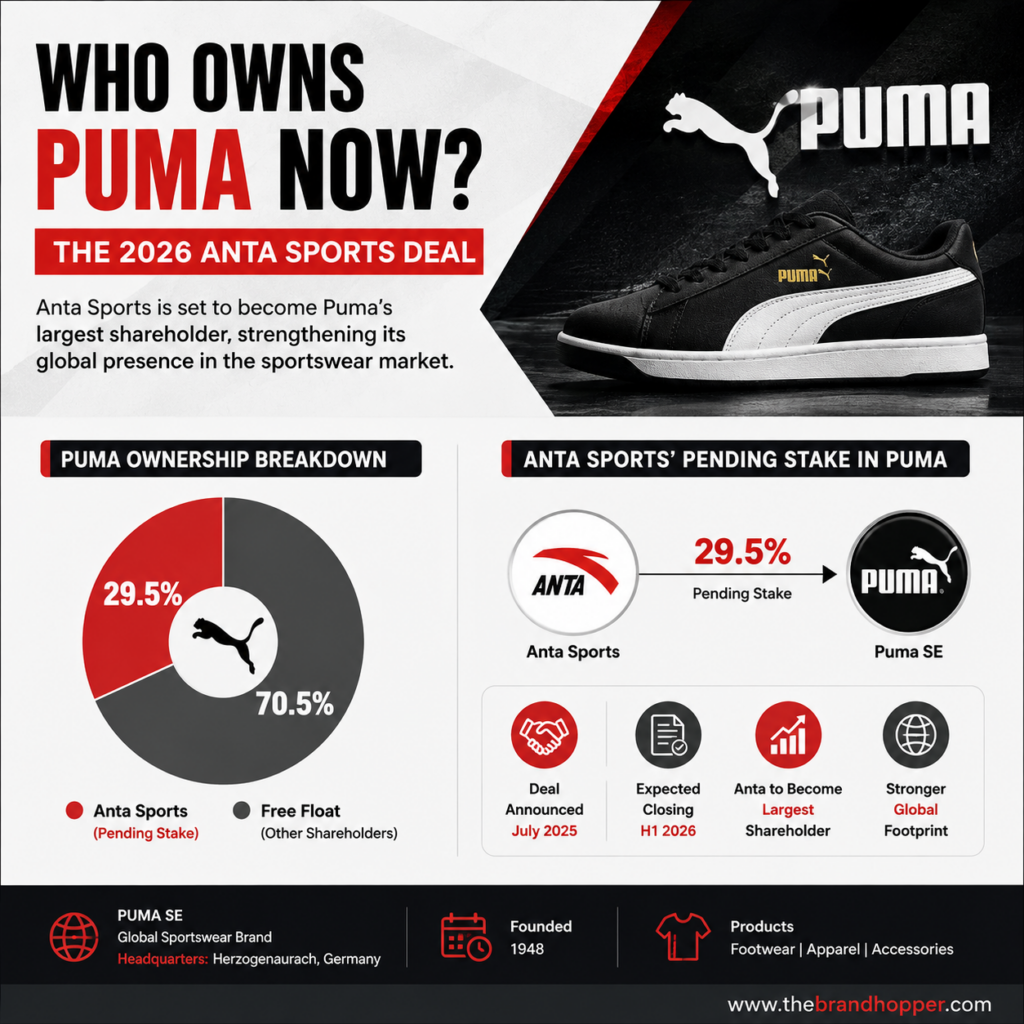
That arrangement is now changing again. In January 2026, Anta Sports, a Hong Kong-listed Chinese sportswear giant, agreed to acquire Artémis’s entire 29.06% stake in Puma SE for approximately €1.5 billion (about $1.8 billion), a deal expected to close by the end of 2026 pending regulatory approval.
The acquisition will make Anta Sports the largest single shareholder in Puma, and the company has said it will seek representation on Puma’s supervisory board.
The deal is notable beyond Puma alone: Anta Sports is also the largest shareholder of Amer Sports, the group behind Arc’teryx, Salomon, Wilson, Peak Performance, and Atomic, meaning Anta is quietly assembling one of the largest multi-brand sportswear portfolios in the world, spanning German heritage sportswear, technical outdoor gear, and American sporting goods, all under increasing Chinese ownership influence.
What Brands Does Puma Own?
Puma Group’s own portfolio is comparatively focused. Beyond the flagship Puma brand, the group owns Cobra Golf, a golf equipment and apparel brand acquired in 2010, and stichd, a Netherlands-based sports licensing and apparel company in which Puma acquired a majority stake around 2018, producing officially licensed football and fan merchandise.
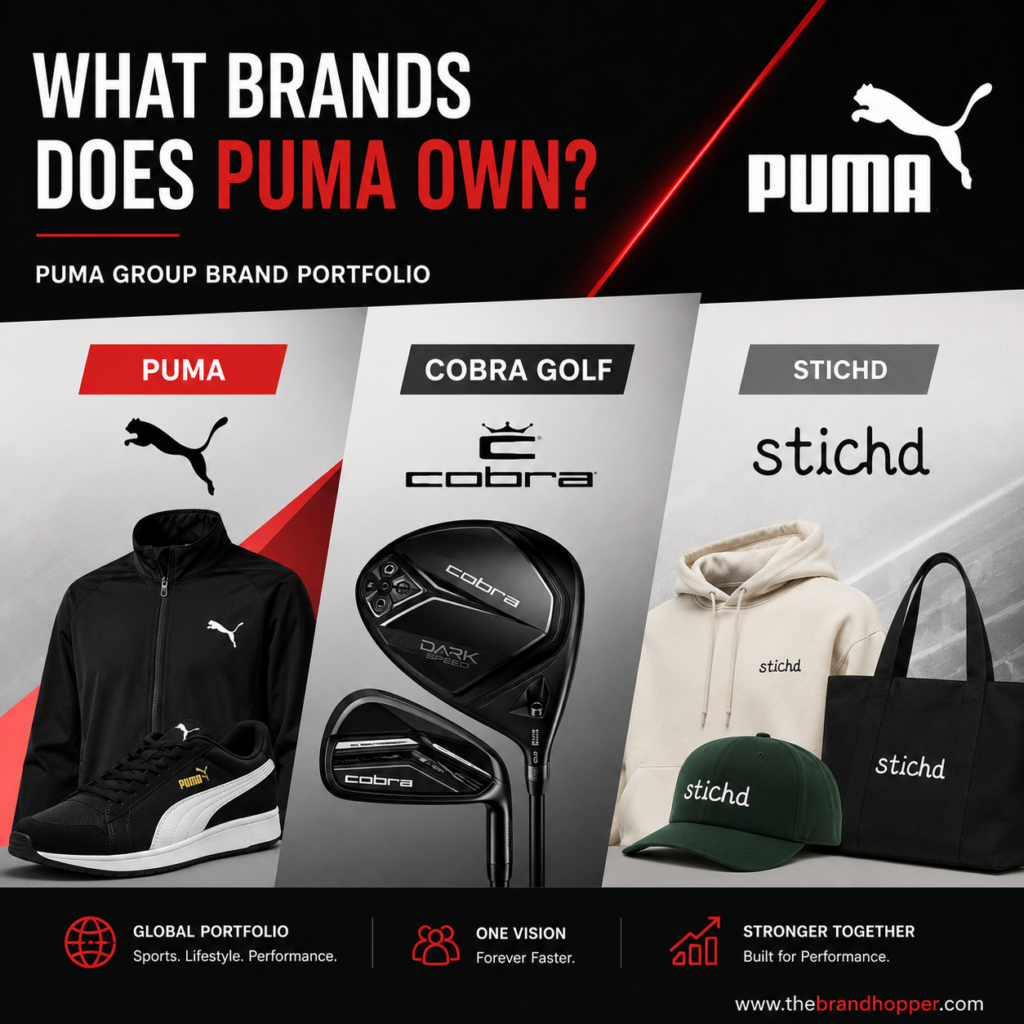
Unlike rivals that have built sprawling brand houses, Puma has stayed relatively lean, choosing to compete under its core name rather than accumulate a large portfolio of sub-brands.
Puma’s Financial Reality in 2025–2026
Puma’s ownership shakeup arrives during a genuinely difficult financial stretch.
For fiscal year 2025, Puma reported revenue of €7.3 billion, down 8.1% on a currency-adjusted basis, and swung to a reported EBIT loss of €357.2 million, compared with a €548.7 million profit the year before.
Puma’s stock tumbled more than 24% following a profit warning, after already falling sharply earlier in 2025 when the company cut its full-year outlook, citing weakness in the US and Chinese markets along with the impact of US tariffs.
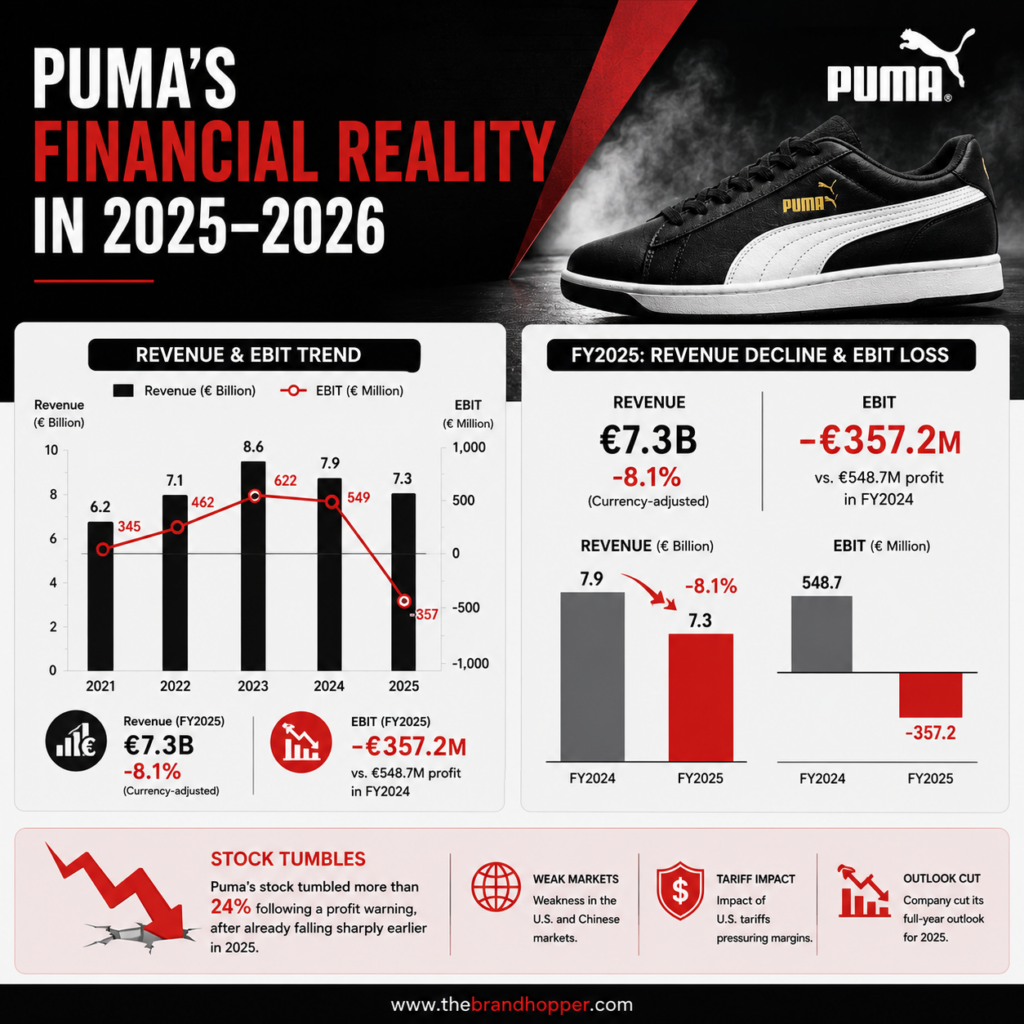
Puma itself has publicly framed 2026 as a “transition year” as it works through a turnaround.
Who Runs Puma Today?
Puma’s day-to-day leadership changed hands in 2025. Arne Freundt, who had spent 14 years at the company in various roles, stepped down as CEO effective April 11, 2025, with the company citing “differing views on strategy execution.”
He was succeeded on July 1, 2025, by Arthur Hoeld, a veteran executive who previously spent much of his career at rival Adidas — a striking hire given the brands’ century-long rivalry.
Puma’s Marketing Legacy: Pelé, Bolt, and Rihanna
Puma’s ownership drama tends to overshadow just how influential its marketing has been.
In one of the most famous sports-marketing stunts of all time, Puma reportedly paid Brazilian football legend Pelé $120,000 to pause play and re-tie his Puma King boot laces on camera moments before a 1970 World Cup quarterfinal, guaranteeing television cameras would linger on the Puma logo.
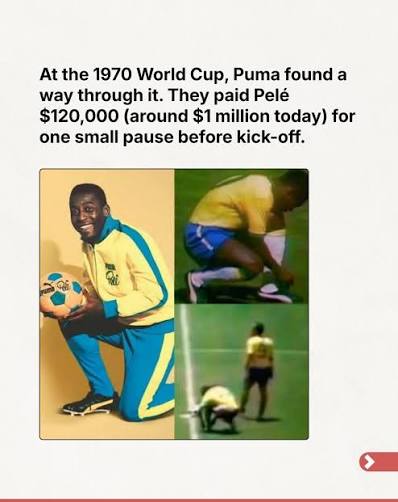
Pelé went on to win his third World Cup that tournament.
Puma has also built lasting athlete partnerships, most notably with sprinter Usain Bolt, who has been sponsored by Puma since he was just 16 years old in 2003, becoming arguably the brand’s most iconic ambassador of the following two decades.
In 2014, Puma named Rihanna creative director and brand ambassador, launching the Fenty x Puma line in 2015; the four-year partnership, which ran through 2018, helped push Puma to nearly $1 billion in sales in its first year and has since been revived through new multi-year Fenty x Puma collaborations.
Puma’s Global Footprint Today
Despite its recent financial struggles, Puma remains a genuinely global operation.
As of December 2025, the company employed roughly 23,050 people from 143 countries, with its workforce concentrated most heavily in India (24.5%), the United States (9.9%), and its home market of Germany (9.2%); Mexico is currently its fastest-growing location.
Puma sells through more than 21,000 points of sale worldwide, including around 1,400 company-owned retail stores, across a footprint spanning more than 120 countries, and reported 93 subsidiaries controlled directly or indirectly by Puma SE at the end of 2025.
For 2025, Puma was also recognized as a Top Employer in 50 countries — the only company to hold that distinction globally.
Puma vs Adidas: A Rivalry Still Alive
More than 75 years after the Dassler brothers stopped speaking, their companies remain headquartered in the same small Bavarian town, Herzogenaurach, with Puma’s offices and Adidas’s global headquarters located roughly on opposite sides of the same river.
The rivalry that once divided a town now plays out in stadiums, sponsorship battles, and boardrooms worldwide, with Puma’s new Chinese ownership link adding a fresh chapter to a story that began with two brothers who could no longer work together.
Puma Ownership & History at a Glance
| Fact | Detail |
| Founded | 1948 (as a standalone company), by Rudolf Dassler |
| Origin | Split from Gebrüder Dassler Schuhfabrik (founded 1924 with brother Adi Dassler, who later founded Adidas) |
| Headquarters | Herzogenaurach, Bavaria, Germany |
| Stock listing | Frankfurt Stock Exchange (PUM) |
| Largest shareholder (pending, 2026) | Anta Sports (China), acquiring a 29.06% stake for ~€1.5 billion |
| Previous largest shareholder | Artémis (Pinault family holding company) |
| Past controlling owner | PPR/Kering (2007–2018), once held ~86% of shares |
| CEO | Arthur Hoeld (since July 2025) |
| Previous CEO | Arne Freundt (stepped down April 2025) |
| Brands owned by Puma Group | PUMA, Cobra Golf, stichd |
| FY2025 revenue | €7.3 billion (down 8.1%) |
| FY2025 result | EBIT loss of €357.2 million (vs. €548.7 million profit in 2024) |
| Employees (Dec 2025) | ~23,050 across 143 countries |
| Notable ambassadors | Pelé (1970), Usain Bolt (since 2003), Rihanna/Fenty (since 2014) |
Key Takeaways
Puma’s ownership has moved through nearly every phase a company can experience: founder-controlled family business, public company, near-collapse, a legendary corporate turnaround, acquisition by a luxury conglomerate, independence again, and now a pending sale of its largest stake to a Chinese sportswear rival.
Through all of it, Puma has remained a public company on the Frankfurt Stock Exchange, with a comparatively small brand portfolio limited to Cobra Golf and stichd alongside its flagship label.
As the Anta Sports deal closes in 2026, Puma enters yet another new ownership era while simultaneously fighting through one of its toughest financial stretches in decades.
Frequently Asked Questions
Q: Who owns Puma?
A: Puma SE is a publicly traded German company. Its largest shareholder is currently Artémis, the Pinault family’s holding company, but Chinese sportswear giant Anta Sports agreed in January 2026 to buy that 29.06% stake for about €1.5 billion, a deal expected to make Anta the largest shareholder once it closes.
Q: Who founded Puma?
A: Puma was founded in 1948 by Rudolf “Rudi” Dassler, after a bitter split from his brother, Adi Dassler, who founded Adidas the following year. Both brands trace back to a shared family shoe business started in 1924.
Q: Is Puma owned by Adidas or vice versa?
A: No. Puma and Adidas have been completely separate, competing companies since 1948, founded by two brothers who stopped speaking after their falling-out and never reconciled.
Q: Did Kering (Gucci’s owner) used to own Puma?
A: Yes. Kering, then known as PPR, acquired a controlling stake in Puma in 2007, eventually holding around 86% of shares, before divesting most of its holding starting in 2018 as it refocused on luxury fashion brands.
Q: What brands does Puma Group own?
A: Puma Group’s portfolio includes its flagship Puma brand, golf equipment maker Cobra Golf, and stichd, a sports licensing and apparel company producing officially licensed football merchandise.
Q: Why is a Chinese company buying a stake in Puma?
A: Anta Sports, a major Chinese sportswear company that also holds a large stake in Amer Sports (owner of Arc’teryx and Salomon), agreed to buy Puma’s largest shareholding as part of its stated strategy to expand globally across multiple sportswear brands.
Q: Is Puma in financial trouble?
A: Puma had a difficult 2025, with revenue falling 8.1% to €7.3 billion and the company swinging to an EBIT loss of €357.2 million, prompting a sharp stock decline and leading the company to describe 2026 as a transition year.
Q: Who is Puma’s CEO?
A: Arthur Hoeld, a former Adidas executive, has served as Puma’s CEO since July 2025, succeeding Arne Freundt, who departed in April 2025 after 14 years with the company.
Also Read: Marketing Strategies and Marketing Mix of PUMA
To read more content like this, subscribe to our newsletter