Last Updated on August 26, 2026 by Team TBH
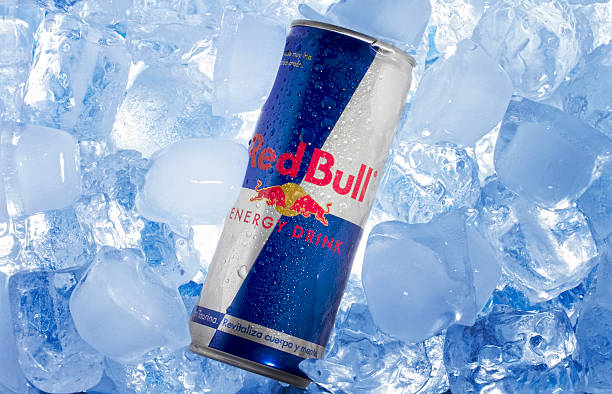
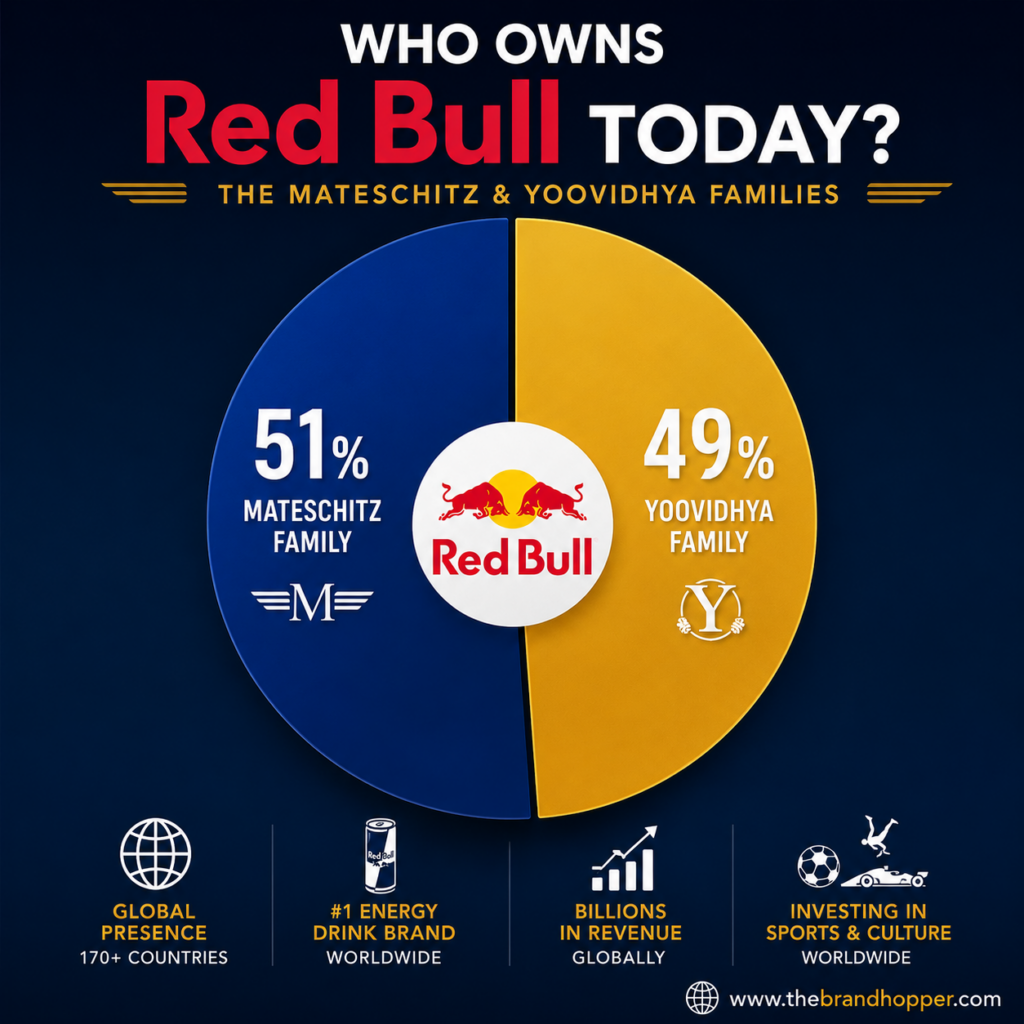
Quick answer: Red Bull GmbH is a privately held Austrian company, never publicly traded, and split almost evenly between two families. Chalerm Yoovidhya, son of Thai co-founder Chaleo Yoovidhya, controls 51%, while Mark Mateschitz, son of Austrian co-founder Dietrich Mateschitz, holds the remaining 49% after inheriting his father’s stake in 2022. The company was born from a 1984 handshake deal between Chaleo and Dietrich, each putting up $500,000 to reformulate a Thai energy tonic called Krating Daeng into the global phenomenon known as Red Bull.
Red Bull is one of the most recognizable brands on Earth, plastered across Formula 1 cars, extreme sports cliffs, and gas station coolers in 178 countries.
But surprisingly few people know who actually owns the company behind the little blue-and-silver can, or how a Thai pharmaceutical formula ended up bankrolling F1 teams and football clubs across four continents.
Here’s the complete ownership story, financial picture, and brand empire behind Red Bull.
How Red Bull Was Born: A Thai Tonic Meets an Austrian Salesman
The story of Red Bull doesn’t start in Austria at all — it starts in Thailand in 1976, when entrepreneur Chaleo Yoovidhya, the son of Chinese immigrants who had spent much of his early life working as a duck farmer, created a syrupy, non-carbonated energy tonic called Krating Daeng (“Red Gaur,” named after a species of wild ox) through his company T.C. Pharmaceutical Industries.
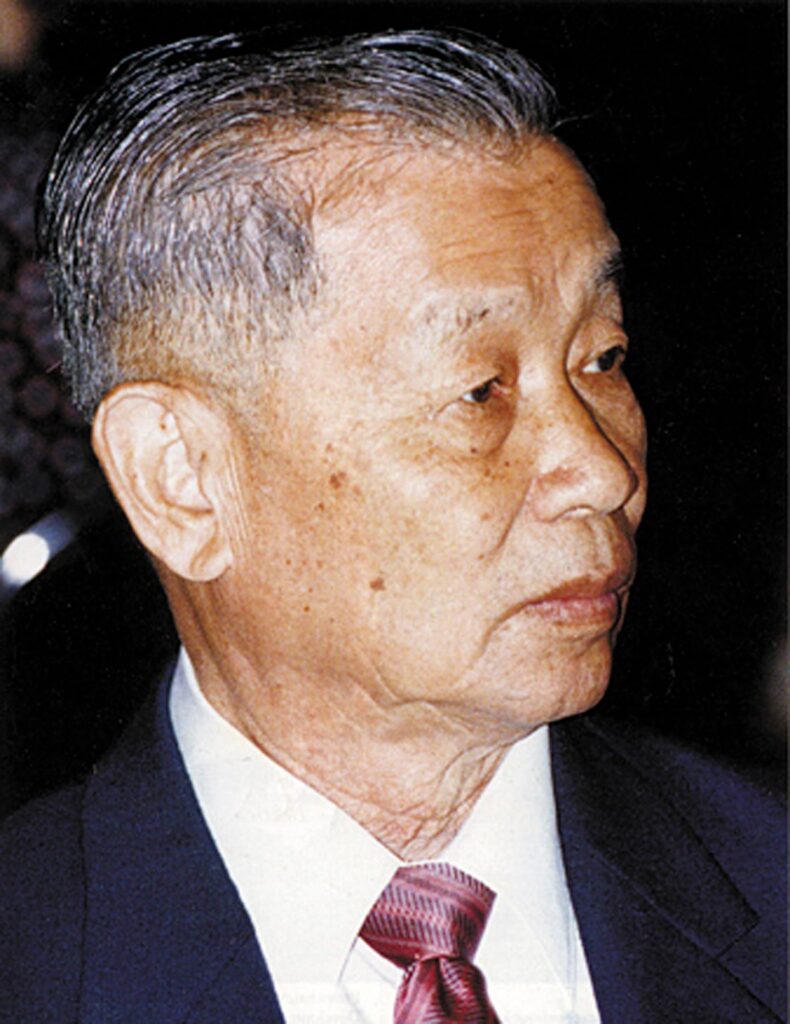
The drink, aimed at Thai laborers and truck drivers needing a caffeine-and-taurine boost to stay alert through long shifts, became a modest domestic hit.
Enter Dietrich Mateschitz, an Austrian marketing executive for the toothpaste brand Blendax, who encountered Krating Daeng on a business trip to Bangkok in the early 1980s. Jet-lagged and skeptical, he tried a bottle on the drive from the airport and later said, “One glass and the jet lag was gone.”
Convinced he’d found something with global potential, Mateschitz tracked down Chaleo, and the two structured one of the more unusual joint ventures in consumer products history.
The 1984 Deal: How Ownership Was Split From Day One
In 1984, Mateschitz and Chaleo formed Red Bull GmbH as equal partners, each contributing $500,000 in personal savings and each taking a 49% stake in the new company.
The remaining 2% — a small but, as it later turned out, pivotal sliver of equity — was allocated to Chaleo’s son, Chalerm Yoovidhya, effectively giving the Yoovidhya family a narrow majority position from the very beginning.
Mateschitz took charge of marketing, branding, and international expansion, while the Yoovidhya family’s T.C. Pharmaceutical retained the manufacturing formula and Southeast Asian production rights.
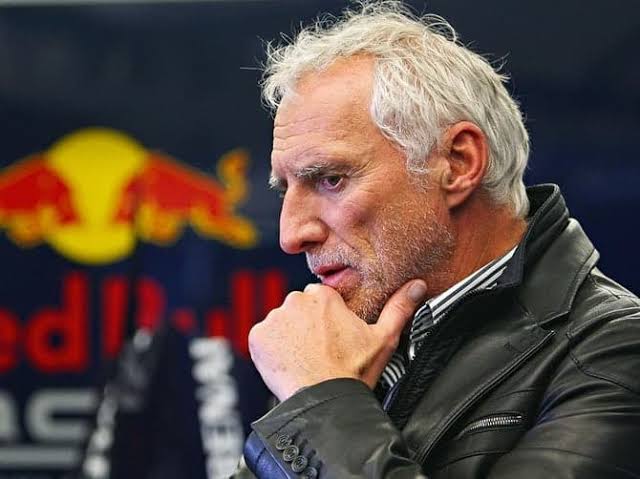
It took three years of reformulating Krating Daeng for Western palates — adding carbonation, reducing sweetness — before the newly renamed “Red Bull” launched in Austria in 1987.
From Austrian Launch to Global Domination
Red Bull’s early years were slow by design: Mateschitz spent the late 1980s building the brand methodically across Europe rather than chasing rapid volume, pioneering guerrilla marketing tactics like sponsoring extreme sports and student “brand ambassador” programs long before social media made influencer marketing a buzzword.
The approach worked. Red Bull expanded across Western Europe through the early 1990s and entered the United States in 1997, where it captured roughly 75% of the nascent American energy drink market within its first year, essentially inventing the energy drink category as consumers understood it and forcing giants like Coca-Cola and PepsiCo to scramble with their own competing products years later.
Who Owns Red Bull Today? The Mateschitz and Yoovidhya Families
Red Bull GmbH has never been a publicly traded company and shows no signs of changing that.
Ownership passed to the next generation of both founding families following two deaths a decade apart.
Chaleo Yoovidhya died in 2012, passing his 49% stake to his eldest son, Chalerm Yoovidhya, who — combined with the 2% he already held personally — gave the Yoovidhya side of the family a controlling 51% of the company.
Dietrich Mateschitz died in October 2022 at age 78, and his 49% stake passed to his only son, Mark Mateschitz, who was in his 30s at the time and had previously kept a low public profile working within the company’s ecosystem.
In a notable 2025 development, Chalerm Yoovidhya transferred his personal 2% stake into Fides Trustees SA, a Geneva-based trust and fiduciary company, a move that stirred speculation about succession planning, asset protection, or a subtle power shift within the ownership structure.
Industry observers have noted the timing coincided with turbulence inside Red Bull’s Formula 1 operation, including the high-profile dismissal of longtime team principal Christian Horner, though Red Bull has framed the trust transfer as a matter of family continuity planning rather than any change in control.
As things stand, the Yoovidhya family retains its slim majority, and the Mateschitz family — now represented by second-generation heir Mark Mateschitz — remains the other half of one of the most successful and unusual ownership partnerships in global business.
Who Runs Red Bull Day to Day?
While the Mateschitz and Yoovidhya families own the equity, day-to-day leadership sits with a professional executive team.
Following Dietrich Mateschitz’s death, Red Bull moved to a co-CEO structure rather than naming a single successor, with Oliver Mintzlaff and Franz Watzlawick sharing chief executive responsibilities alongside CFO Alexander Kirchmayr on the company’s management board.
Mintzlaff, a former RB Leipzig executive, has taken an especially prominent role overseeing Red Bull’s sprawling portfolio of “Corporate Projects and New Investments” — essentially the sports, media, and franchise empire the company has built around its core beverage business.
Mark Mateschitz, for his part, has taken a more behind-the-scenes ownership role similar to his father’s later years, staying out of daily operational decisions while retaining ultimate shareholder authority.
Red Bull’s Financial Engine: Record Sales in 2025
Far from a niche energy drink maker, Red Bull GmbH is a financial powerhouse.
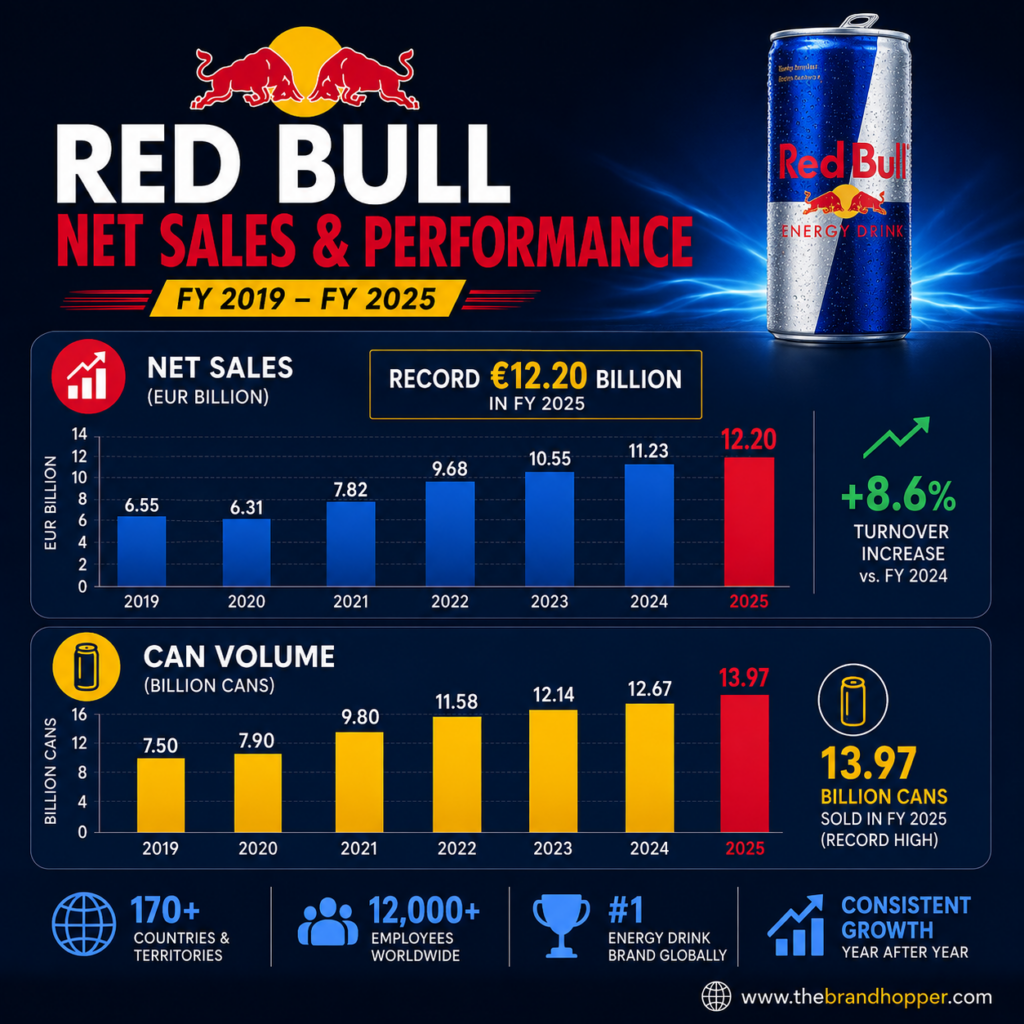
The company posted record net sales of roughly €12.2 billion in fiscal year 2025, up 8.6% from €11.2 billion the year before — its strongest growth rate since the post-pandemic surge of 2022, and a sharp reacceleration after a slower 6.4% growth year in 2024.
Global can volumes hit an all-time high of nearly 14 billion units sold across 178 countries in 2025, up over 10% year-on-year.
That means Red Bull is now selling more than 26,000 cans every minute somewhere in the world.
Because the company remains privately held, it doesn’t disclose profit figures with the same granularity as public rivals, but its consistent double-digit growth in a maturing category has made both founding families extraordinarily wealthy: Forbes has estimated Mark Mateschitz’s personal net worth at well over $30 billion, making him one of the richest people in Austria practically overnight following his father’s death.
Beyond the Can: Red Bull’s Sports and Media Empire
What sets Red Bull apart from other beverage giants isn’t just the drink — it’s the vast ecosystem of sports properties, teams, and media assets the company has built to reinforce its “gives you wings” identity.
In Formula 1, Red Bull owns Oracle Red Bull Racing outright, along with its sister team, Racing Bulls (formerly Toro Rosso, then AlphaTauri, then RB), which historically serves as a proving ground for young drivers before they’re promoted to the senior team.
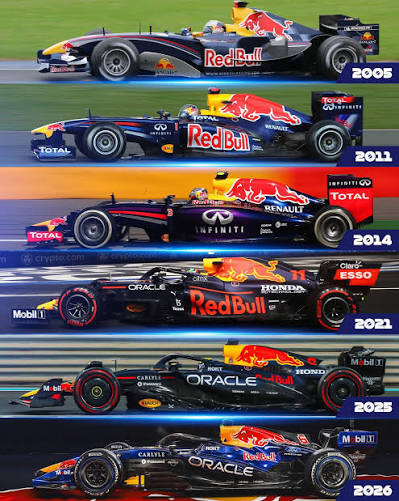
Red Bull also owns a network of football clubs under a multi-club ownership model, including RB Leipzig in Germany, FC Red Bull Salzburg in Austria (purchased and rebranded from SV Austria Salzburg in 2005), the New York Red Bulls in Major League Soccer, and Red Bull Bragantino in Brazil, with a 2024 move into Japanese football through an agreement involving Omiya Ardija.
Beyond team ownership, Red Bull Media House produces action-sports films, documentaries, and the Red Bull Content Pool, functioning as an in-house production studio that generates a constant stream of extreme-sports content — cliff diving, freeskiing, BASE jumping — engineered to keep the brand associated with adrenaline rather than sugar and caffeine.
Red Bull vs Monster and Other Energy Drink Rivals
Despite fierce competition from Monster Energy, Celsius, and a wave of newer entrants, Red Bull has defended its position as the category’s global volume and revenue leader for nearly four decades, a remarkable feat in a fast-moving consumer category where brand loyalty is notoriously fickle.
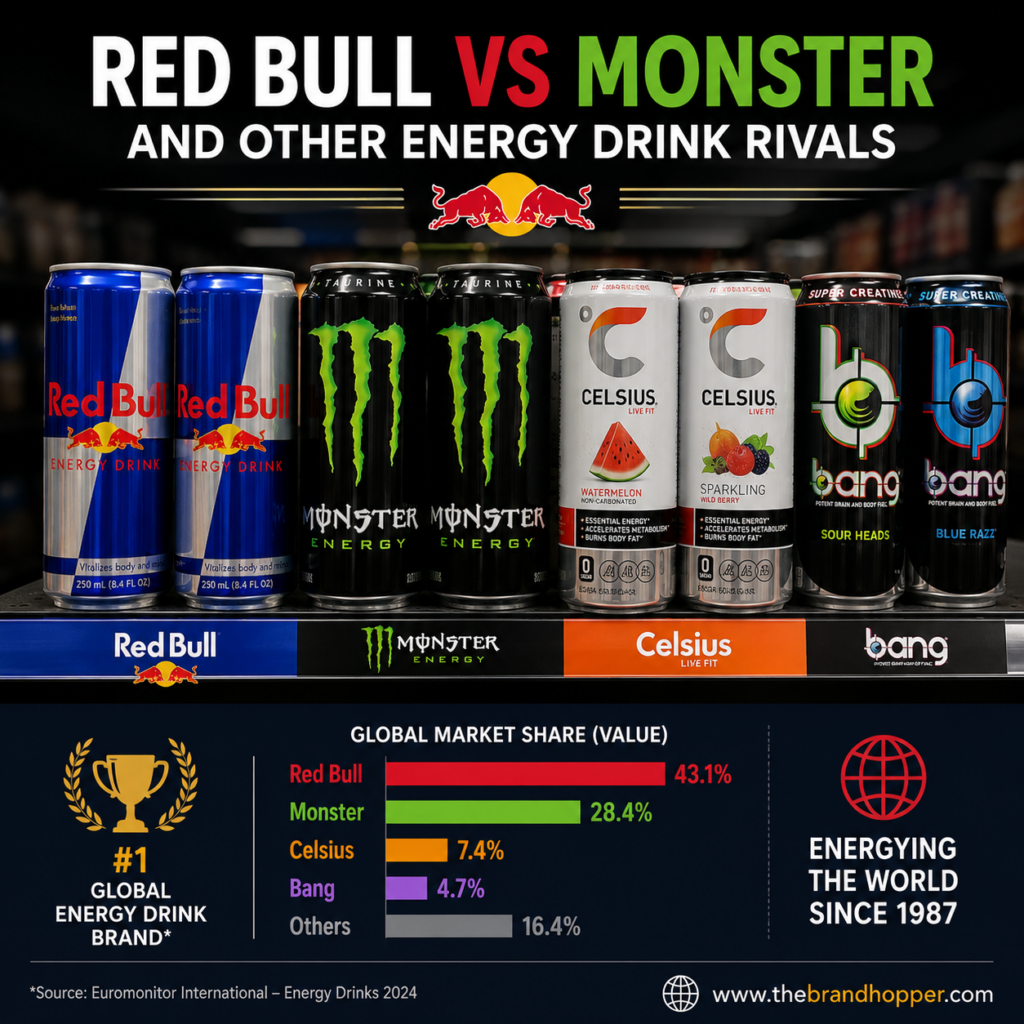
Analysts generally attribute this staying power to two factors working together: the company’s refusal to chase short-term trends by diluting its core product lineup, and the sheer scale of its sports-marketing flywheel, which continues generating brand exposure that would cost billions to replicate through traditional advertising alone.
Which Ownership Structure Explains Red Bull’s Strategy?
Red Bull’s staying private for over 40 years is itself a strategic choice worth understanding.
Unlike publicly traded rivals such as Monster Energy (majority-owned by Coca-Cola-adjacent public shareholders) or Celsius, Red Bull answers to no quarterly earnings calls, no activist investors, and no public shareholders demanding short-term margin improvements.
That insulation is widely credited with letting the company plow enormous, sustained sums into F1 teams and extreme-sports sponsorships for years or even decades before those investments paid off in brand equity — a patience that would be difficult to defend to a public shareholder base focused on next quarter’s numbers.
For anyone studying brand-building strategy, Red Bull is frequently cited as the clearest modern example of how private ownership can enable a multi-decade marketing bet that a public company would likely never approve.
Red Bull Ownership & History at a Glance
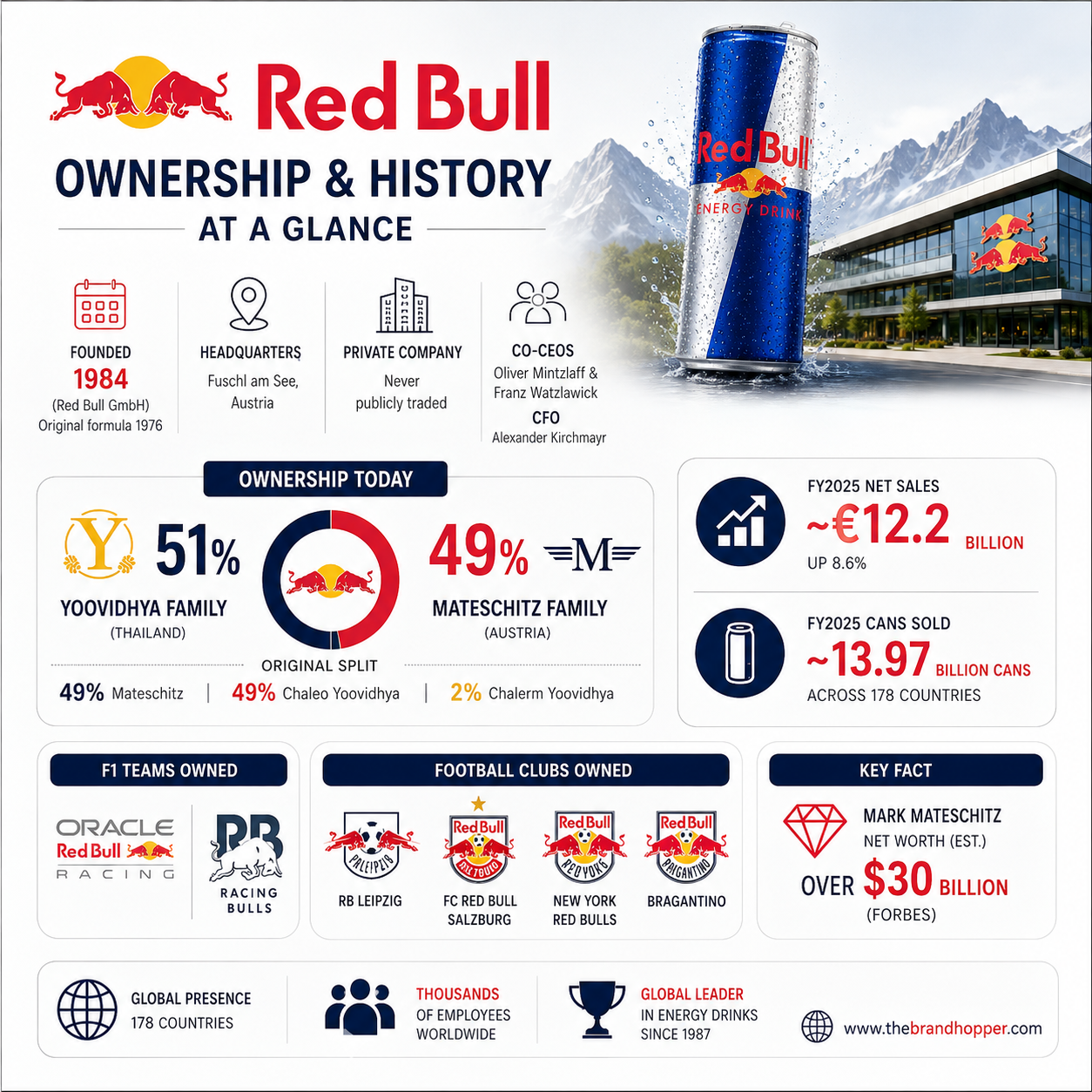
Key Takeaways
Red Bull’s ownership story is really a story about two families who struck an unusually equitable deal in 1984 and largely stuck to it for over 40 years: the Yoovidhyas, who supplied the original Thai formula and hold a narrow 51% majority, and the Mateschitz family, who supplied the marketing genius and global vision behind the other 49%.
Both founding patriarchs have since passed the company to their sons, Chalerm Yoovidhya and Mark Mateschitz, who now preside over a privately held beverage and sports empire generating over €12 billion a year — proof that the original 1984 handshake deal turned out to be one of the most lucrative partnerships in modern business history.
Frequently Asked Questions
Q: Who owns Red Bull?
A: Red Bull GmbH is privately owned by two families: the Yoovidhya family of Thailand, which holds a 51% majority stake through Chalerm Yoovidhya, and the Mateschitz family of Austria, which holds the remaining 49% through Mark Mateschitz, who inherited his father Dietrich’s stake in 2022.
Q: Is Red Bull a publicly traded company?
A: No. Red Bull GmbH has never gone public and remains privately held by the Yoovidhya and Mateschitz families, meaning it faces no obligation to disclose detailed profit figures or answer to public shareholders.
Q: Who founded Red Bull?
A: Red Bull was founded in 1984 by Austrian marketing executive Dietrich Mateschitz and Thai entrepreneur Chaleo Yoovidhya, who reformulated Chaleo’s existing Thai energy tonic, Krating Daeng, for Western markets, launching it in Austria in 1987.
Q: Is Red Bull a Thai company or an Austrian company?
A: Both, in a sense. The drink’s original formula and manufacturing roots trace back to Thailand’s T.C. Pharmaceutical Industries, while Red Bull GmbH, the global marketing and distribution company, is headquartered in Fuschl am See, Austria.
Q: How much is Red Bull worth?
A: Red Bull GmbH doesn’t disclose a public valuation since it’s privately held, but its 2025 net sales of roughly €12.2 billion and its founders’ combined multi-billion-dollar net worths (Mark Mateschitz alone is estimated at over $30 billion) reflect one of the most valuable private consumer brands in the world.
Q: Does Red Bull own its Formula 1 team outright?
A: Yes. Red Bull owns Oracle Red Bull Racing and its sister team, Racing Bulls, making it one of the few beverage companies to fully own and operate a Formula 1 racing operation rather than simply sponsoring one.
Q: What other sports teams does Red Bull own?
A: Beyond its F1 teams, Red Bull owns a network of football clubs including RB Leipzig, FC Red Bull Salzburg, the New York Red Bulls, and Red Bull Bragantino, along with extreme-sports media production through Red Bull Media House.
Q: Who runs Red Bull now that both founders have died?
A: Red Bull is currently led by co-CEOs Oliver Mintzlaff and Franz Watzlawick alongside CFO Alexander Kirchmayr, while ownership and ultimate authority rest with shareholders Chalerm Yoovidhya and Mark Mateschitz, who inherited their fathers’ stakes in 2012 and 2022 respectively.
Also Read:
To read more content like this, subscribe to our newsletter