Last Updated on November 25, 2026 by Team TBH
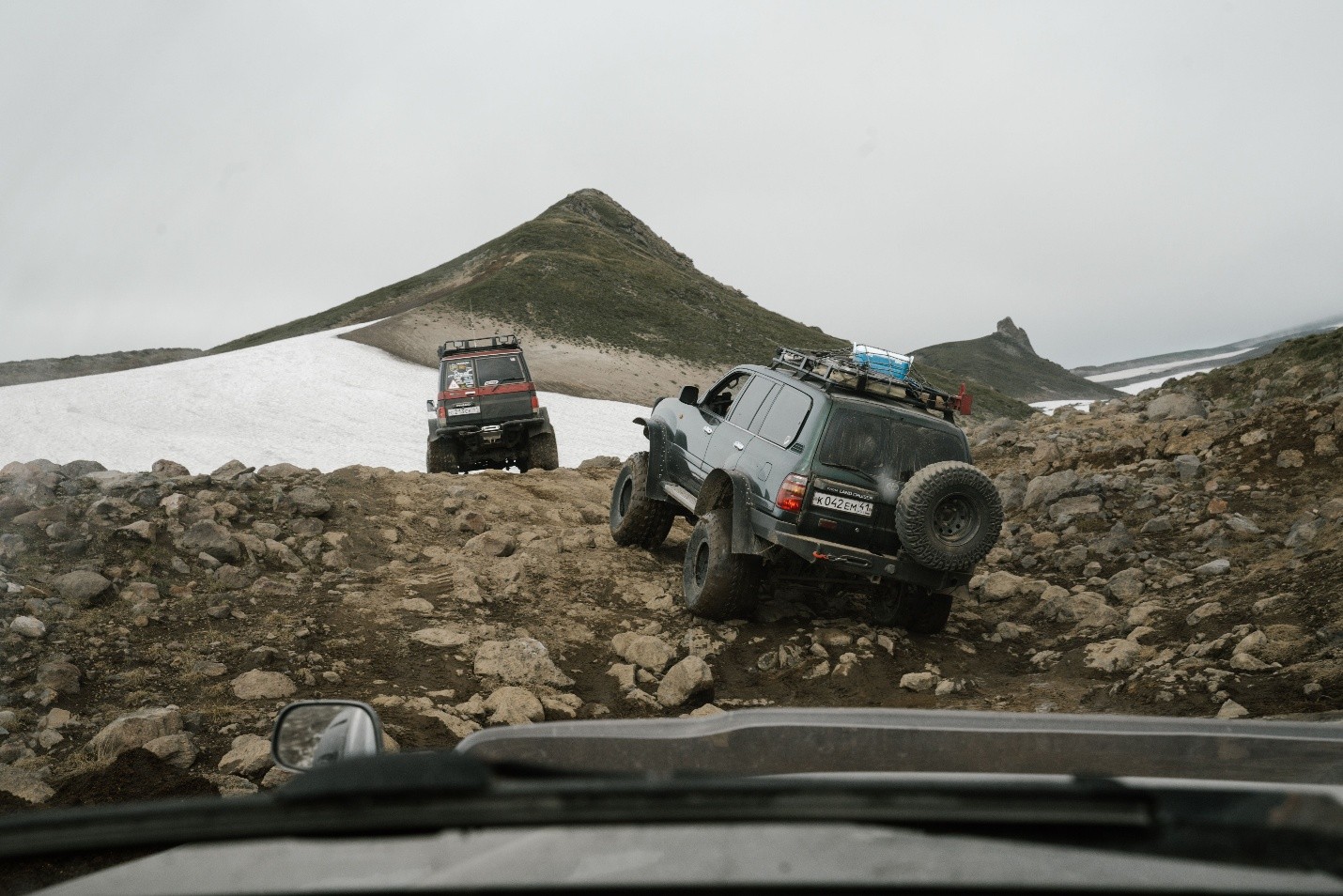
Building a trail-ready truck means matching strong wheels and off-road tires with the vehicle’s load capacity, suspension, clearance, gearing, and intended terrain. Fuel Off-Road offers truck-focused wheels and Gripper tires for demanding surfaces, but the setup must still remain safe on pavement and compatible with the truck’s factory specifications.
Place to start: The Trails You Actually Drive
Define the truck’s main job before choosing an aggressive wheel-and-tire package. A weekend vehicle tackling rocky trails needs different equipment from a daily-driven pickup that occasionally crosses mud, gravel, or construction sites.
Consider these aspects:
- Trail difficulty
- Highway mileage
- Seasonal weather
- Towing
- Payload
- How far do you travel from available assistance.
Extreme tread and oversized wheels may look capable, yet they can add noise, weight, and fuel consumption when most driving occurs on pavement.
The online tire vendor, TireAgent offers Online Fuel off-road wheels and Fuel Gripper tires because Fuel Off-Road specializes in products created for trucks, SUVs, and difficult terrain. Its Gripper range is engineered for harsh off-road conditions while retaining usable road manners, giving shoppers options for vehicles that must handle trails and regular highways.
Understand the Fuel Off-Road Collection
Fuel Off-Road produces cast, flow-formed, forged, dually, and beadlock-style wheel designs across multiple diameters. The broad collection allows owners to balance appearance, weight, strength, budget, and application rather than choosing one universal wheel.
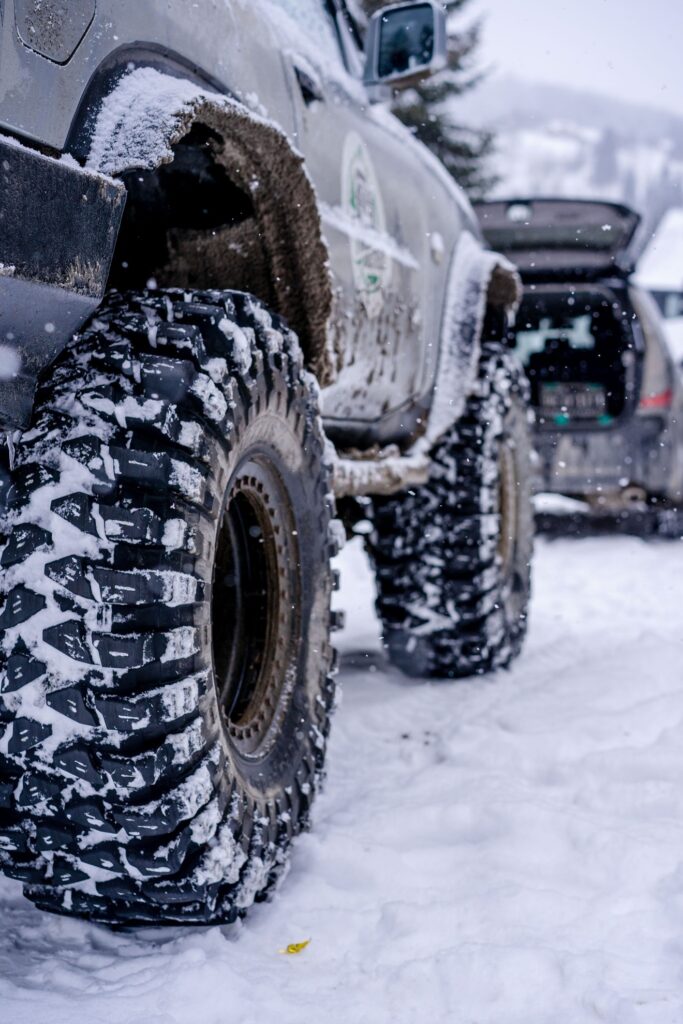
Fuel’s Gripper tire range includes aggressive options such as the X/T, which uses substantial lugs and a pronounced sidewall design for difficult terrain. Sizes and load ranges vary, so buyers should verify specifications instead of assuming every Gripper fits every truck.
| Component | Best reason to choose it | Main consideration |
| Cast wheel | Accessible styling and broad availability | Usually heavier than forged alternatives |
| Flow-formed wheel | Balance of weight and strength | Fitment range may be more limited |
| Forged wheel | High strength with lower weight potential | Higher purchase price |
| Beadlock wheel | Helps retain a tire at very low trail pressure | May face road-use or maintenance restrictions |
| Gripper X/T tire | Aggressive traction for challenging terrain | Added weight, noise, and rolling resistance |
Get Wheel Fitment Right
A trail wheel must match the truck’s bolt pattern, center bore, diameter, width, offset, backspacing, and load requirement. Incorrect offset can create rubbing, move the tire beyond the fender, alter steering behavior, and increase stress on bearings.
Wheel diameter also determines available sidewall height. A smaller wheel with more tire sidewall generally provides better impact absorption and greater flexibility when airing down. Larger wheels can sharpen appearance, but they may leave less rubber between the rim and rocks.
Choose Tire Size and Load Capacity
Do not select a tire by diameter alone. Confirm overall diameter, section width, load index or load range, speed rating, rim-width range, and maximum load. The tire and wheel must support the truck, passengers, cargo, accessories, and trailer tongue weight.
Follow this process:
- Record the factory tire size, wheel dimensions, and axle ratings.
- Select a Fuel wheel confirmed for the exact year, make, model, trim, and suspension.
- Choose a Gripper tire compatible with the wheel width and required load.
- Check clearance at full steering lock and through suspension travel.
- Account for the spare tire, speedometer reading, gearing, braking, and TPMS.
- Use professional mounting, balancing, alignment, and lug-torque procedures.
Prepare the Rest of the Truck
Larger tires may require a lift, leveling kit, trimming, revised gearing, or speedometer calibration. Added rotating mass can reduce acceleration and increase braking distance, so bigger is not automatically better.
Carry a full-size spare, recovery points, tire repair tools, an inflator, pressure gauge, traction boards, and appropriately rated recovery equipment. Lower trail pressures only when conditions justify it, then reinflate before highway driving.
Frequently Asked Questions
Q: Are Fuel Off-Road wheels suitable for daily driving?
Many are designed for trail use and everyday roads. Confirm the model’s load rating, fitment, finish-care requirements, and road-use suitability.
Q: Are Fuel Gripper tires only for mud?
No. The collection targets off-road use while retaining pavement capability, although each tread pattern creates different compromises in noise, comfort, wear, and traction.
Q: Can I install larger wheels without changing the suspension?
Sometimes, clearance depends on wheel width, offset, tire dimensions, and truck design. Verify complete fitment before purchasing.
To read more content like this, explore The Brand Hopper
Subscribe to our newsletter