Last Updated on August 7, 2026 by Team TBH
Modern brands rarely sell through one channel. Products may appear on Amazon, Walmart Marketplace, Google Shopping, specialty stores, dealer websites, and smaller retail platforms simultaneously.
That reach also makes advertised pricing difficult to oversee. One seller can launch an unexpected promotion or publish an outdated price. Other retailers may react, turning one listing into a wider pricing problem.
Brands with a Minimum Advertised Price policy need a structured way to find potential violations, preserve evidence, and identify which sellers and products require attention.
Advertised-Price Monitoring Is Different From Competitive Price Tracking
Competitive price tracking compares products with market alternatives to guide promotions, positioning, or dynamic-pricing decisions.
MAP monitoring serves a different purpose. It compares public prices for a brand’s covered products with the current prices established in its MAP schedule.
MAP usually concerns advertising rather than every final transaction. Depending on the policy and applicable law, private quotes or checkout prices may differ from publicly displayed prices. Bundles, coupons, loyalty discounts, and “add to cart” offers may require additional review.
Software can identify listings that appear below MAP, but the brand must evaluate them against its policy. Technology creates visibility and evidence; it does not replace human review or qualified guidance.
Why Advertised Prices Become Difficult to Control
A small brand may check prices manually. The process becomes unreliable when the catalog reaches hundreds of SKUs across several marketplaces.
Three factors make the problem especially difficult.
Prices Change Constantly
Marketplace prices can change quickly. Sellers may use repricing systems that react to competitors, inventory, or marketplace conditions. A violation appearing in the morning may disappear before a weekly check.
Product Information Is Inconsistent
Retailers use different product names, descriptions, and identifiers. Bundles may resemble individual items, while sizes or product generations may have different MAP prices.
Before comparing prices, the brand must match each listing to the correct SKU. Inaccurate matching creates false alerts and unnecessary retailer disputes.
Every Channel Presents Prices Differently
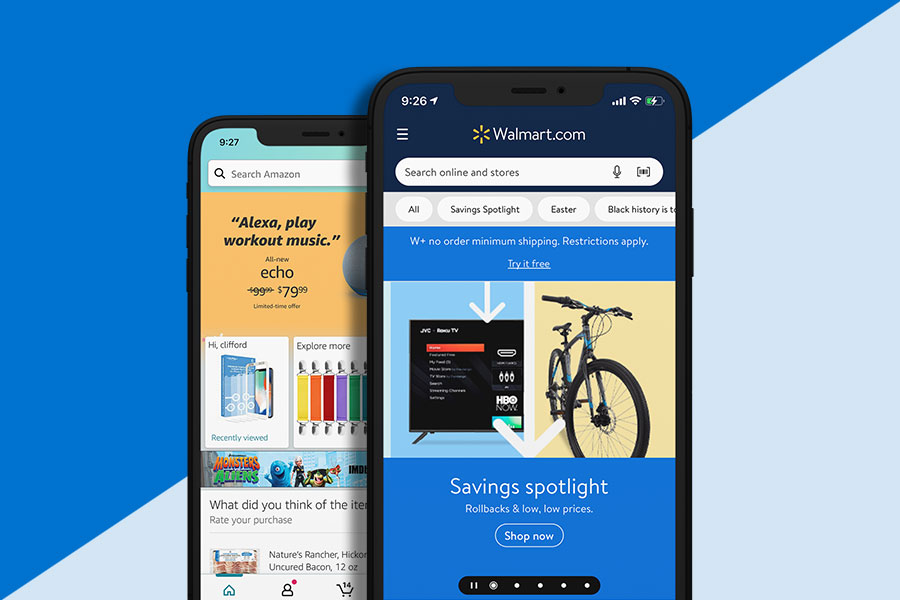
Amazon may include coupons and multiple sellers. Walmart combines first-party and third-party offers. Google Shopping aggregates retailer feeds, while independent stores may use bundles or promotional codes.
A monitoring process must account for these differences rather than treating every visible number the same way.
Monitoring frequency should reflect the speed and importance of each channel. High-volume marketplaces and priority products may justify daily checks, while lower-risk dealer pages can follow a different schedule. The objective is not to collect every temporary fluctuation. It is to create enough recurring visibility that meaningful pricing problems are detected before they spread through the reseller network. Brands can adjust the cadence as they learn which products, sellers, and marketplaces generate the most activity.
How Brands Build a Reliable MAP Monitoring Process
The strongest programs connect product data, recurring channel checks, evidence collection, and seller communication in one repeatable workflow.
1. Create a Current Product and MAP File
Monitoring begins with a reliable source of truth. The brand should maintain a current list of covered products, identifiers, MAP prices, and effective dates.
Useful identifiers can include:
- SKUs
- UPCs
- Model numbers
- Product names and variations
- Marketplace-specific listing information
Brands should retain previous MAP schedules when prices change. Historical records make it possible to determine which price applied when a listing was detected.
Approved promotional periods should also be documented. Otherwise, a legitimate retailer promotion may be incorrectly flagged as a violation.
2. Prioritize the Most Important Channels
Brands should begin with channels generating the most sales, reseller conflict, or pricing volatility.
For many ecommerce businesses, that includes Amazon, Walmart, eBay, Google Shopping, authorized retailer sites, and independent dealer websites.
Coverage can expand as new products, sellers, or marketplaces become important. It should reflect the brand’s actual distribution network.
3. Match Listings to the Correct Products
Product matching is one of the most important parts of the process. A monitoring system must associate each public listing with the correct item in the brand’s product file.
This becomes challenging when sellers abbreviate titles, omit model numbers, or create bundles. Similar images may also represent different sizes or versions.
Potential violations should not move into enforcement until the product match has been confirmed.
4. Compare the Advertised Price With the Active MAP
Once a listing is matched, its visible price can be compared with the MAP price in effect on that date.
The review may consider coupons, shipping, bundles, promotional windows, and other policy rules. A seemingly problematic price may be compliant after review.
Brands developing this workflow can review Trade Vitality’s guide to how MAP monitoring works , including the role of automated detection, documentation, seller histories, and follow-up.
5. Preserve Consistent Evidence
A useful violation record should include more than the advertised price. Teams should capture:
- Product name and identifier
- Seller or retailer name
- Advertised price
- Applicable MAP price
- Listing URL or marketplace ID
- Date and time detected
- Screenshot or other supporting evidence
- Visible promotion or coupon
- Channel where the listing appeared
Documentation gives teams shared facts and preserves the original listing if the seller changes it before review.
6. Track the Outcome
Record whether each listing was confirmed, whether the seller was contacted, and whether the advertised price was corrected.
Maintaining seller history also helps distinguish an isolated mistake from repeated behavior. That history supports a more consistent process and prevents teams from starting every investigation from scratch.
Monitoring Different Ecommerce Channels
Each major channel creates a different set of challenges.
Amazon
Multiple sellers may compete on one product page as Buy Box conditions change. Brands need seller-level visibility, not only the most prominent offer.
Walmart Marketplace
Walmart listings include first-party and third-party offers. Brands should identify the seller and confirm the correct product variation.
Google Shopping
Google Shopping exposes differences across retailer feeds and can reveal independent stores. Prices should still be verified on the retailer’s landing page.
Independent Retailer Websites
Dealer and specialty-store sites use varied platforms and promotions, requiring broader coverage than marketplace-only tools provide.
Protecting Retailer Relationships Through Consistency
MAP monitoring should support retailer relationships, not automatically turn every alert into a confrontation.
Start with a clear policy reviewed by qualified counsel. Communicate covered products, effective dates, and promotional periods before enforcement begins.
Use factual seller communications containing the product, URL, detected price, date, and applicable MAP. Allow retailers to explain outdated feeds, mismatches, or approved promotions.
Most importantly, apply comparable review procedures across similar situations. Authorized retailers are more likely to trust a program when they see that decisions are based on documented evidence rather than selective complaints.
Measuring Whether MAP Compliance Is Improving
The number of alerts alone does not show whether a program is working. A growing catalog may produce more alerts even as the overall compliance rate improves.
Brands should track the percentage of monitored listings below MAP, the number of affected SKUs, average discount depth, repeat-violation rate, time to review, time to resolution, and the channels where problems are concentrated.
Review measurements by product, seller, and marketplace. Violations concentrated on one SKU may signal a data or pricing issue, while repeated seller activity requires a different response.
Final Thoughts
Ecommerce growth gives brands more ways to reach customers, but every additional seller and marketplace increases pricing complexity. Manual spot checks cannot provide dependable visibility when listings and promotions change constantly.
A structured process connects current product data with recurring checks, documented evidence, and consistent follow-up. It also shows where pricing problems originate and which issues deserve attention first.
The objective is not simply to generate more violation alerts. It is to protect brand positioning, support responsible
To read more content like this, explore The Brand Hopper
Subscribe to our newsletter