Last Updated on October 24, 2026 by Team TBH
A car accident can be stressful, especially when the other driver leaves without sharing their information. A hit-and-run crash can make it harder to identify who was responsible, gather evidence, and determine how to pay for vehicle damage or medical treatment. Taking the right steps after the collision can help protect your safety and preserve important information for a claim.
Knowing what to do after a car accident when the other driver leaves the scene can make the process more manageable. Even if you cannot identify the driver immediately, you may still have options for seeking compensation through an insurance policy or by identifying the responsible person later.
Make Sure Everyone Is Safe
Your first priority after a hit-and-run accident is safety. Check yourself and any passengers for injuries. If anyone needs urgent medical attention, call 911. If the vehicles are creating a hazard and can be moved safely, get out of traffic and move to a secure location.
Avoid chasing the driver who left. Following them can put you and others at risk and may make it harder to remember important details about the crash. Instead, stay at the scene if it is safe and contact law enforcement to report what happened.
Even if you feel fine immediately after the collision, consider getting medical attention if symptoms appear later. Some injuries, including whiplash and head injuries, may not be obvious right away.
Report the Hit-and-Run Accident
Contact the police as soon as possible and explain that the other driver left the scene. Provide the location, approximate time, direction of travel, and any details you remember about the vehicle.
If you saw the car’s make, model, color, license plate, or distinctive features, share that information with the responding officer. Even a partial license plate number may help investigators identify the vehicle.
Ask how to obtain a copy of the police report. Your insurer may request it when reviewing the claim, and it can help document the circumstances of the accident. Reporting the crash promptly also creates an official record of the incident.
Collect Evidence at the Scene
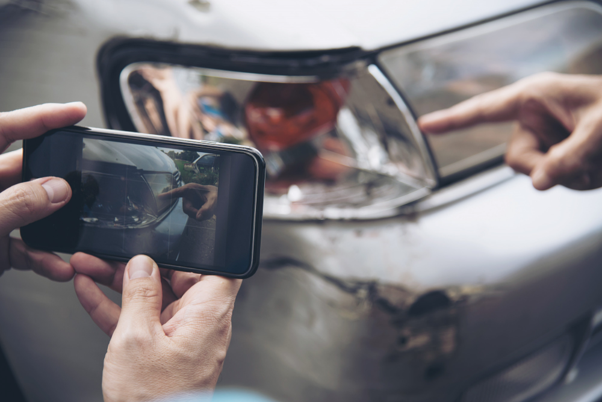
If it is safe to do so, gather as much information as possible before leaving the area. Take photographs of the damage to your vehicle, the surrounding road, skid marks, traffic signs, and any debris that may help explain how the crash occurred.
Look for witnesses who saw the collision or the other driver leaving. Ask for their names and contact information so they can share what they observed with the police or your insurer.
Nearby homes and businesses may have security cameras that recorded the crash. Note the locations of those cameras and tell investigators about them. Video footage may be deleted or recorded over, so acting quickly can be helpful.
Notify Your Insurance Company
Contact your insurance company promptly, even if you do not know who caused the accident. Explain that the other driver left the scene and provide the police report number, photographs, witness information, and other available evidence.
Your coverage will determine which expenses may be paid. Depending on your policy and the circumstances, collision coverage may help pay for vehicle repairs. Uninsured motorist coverage may also apply to certain hit-and-run claims, particularly when bodily injuries are involved. Coverage rules vary by state and policy, so ask your insurer to explain your options.
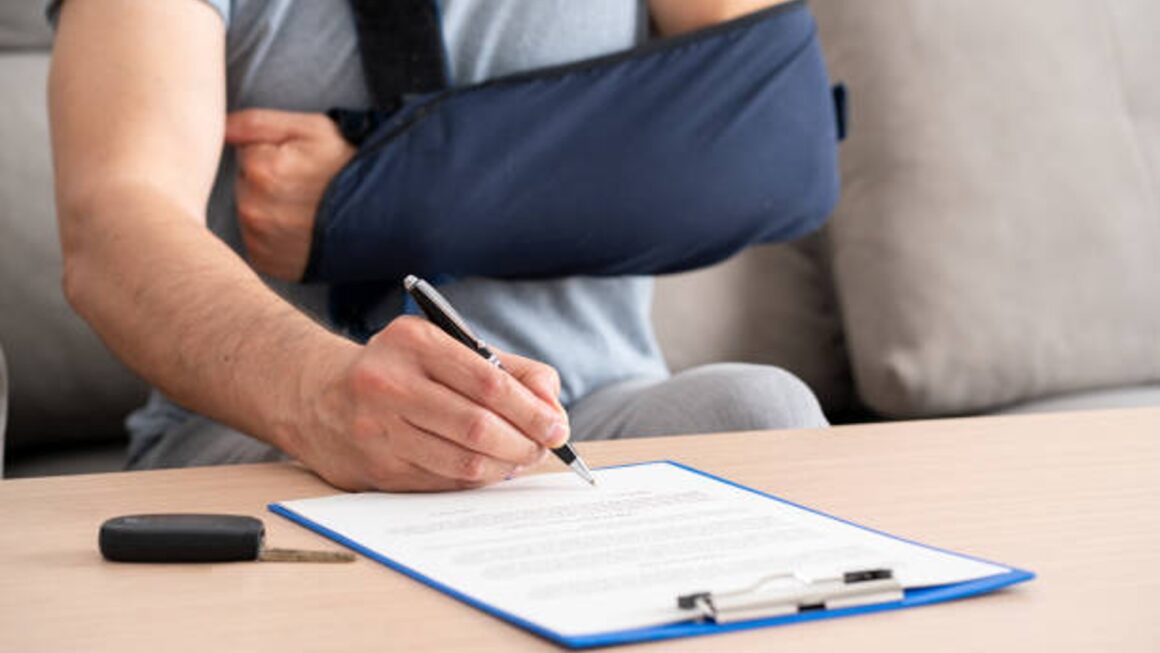
Keep copies of repair estimates, medical bills, receipts, and communications with the insurance company. These records can help support your claim and make it easier to track expenses.
Understand Your Legal Options
A driver who leaves the scene may still be identified through witness accounts, vehicle information, surveillance footage, or a police investigation. If the driver is found, you may be able to pursue a claim against their insurance or seek compensation through other legal options.
If the driver cannot be identified, your own insurance may be the primary source of recovery, depending on your coverage. The rules for hit-and-run claims differ by state, including reporting requirements and deadlines.
California Vehicle Code Section 20002 addresses a driver’s duties after certain accidents involving property damage, including stopping and providing required information. Other requirements may apply when someone is injured. The specific rules depend on where the collision occurred.
Keep Records and Watch Claim Deadlines
Save all documents related to the accident, including the police report, medical records, repair invoices, insurance letters, and proof of lost wages. Write down the timeline of events while your memory is fresh, including what you saw before and after the collision.
Do not assume that an insurance claim can wait indefinitely. Policies may have specific reporting requirements, and legal claims are subject to deadlines. If you have significant injuries or your insurer disputes coverage, consider getting legal advice about your options.
Quick Summary
- Prioritize safety and call 911 if anyone is injured.
- Report the hit-and-run to law enforcement as soon as possible.
- Collect photographs, witness details, and information about nearby cameras.
- Notify your insurance company and review your available coverage.
- Keep medical bills, repair estimates, and other records organized.
- Check the reporting requirements and legal deadlines that apply in your state.
To read more content like this, explore The Brand Hopper
Subscribe to our newsletter