Last Updated on May 25, 2026 by Team TBH
Utilities have never been simple businesses to digitize. They operate under strict regulatory oversight, depend on infrastructure with decades-long lifecycles, and manage operational systems where even minor disruptions can cascade into large-scale service failures.
That makes enterprise software selection unusually consequential. This is not about choosing whichever platform has the cleanest interface or the strongest sales presentation. It is about finding technology partners that understand utility operations deeply enough to modernize systems without compromising resilience. Here are seven companies delivering enterprise software that actually works inside utility environments.
1. DXC Technology
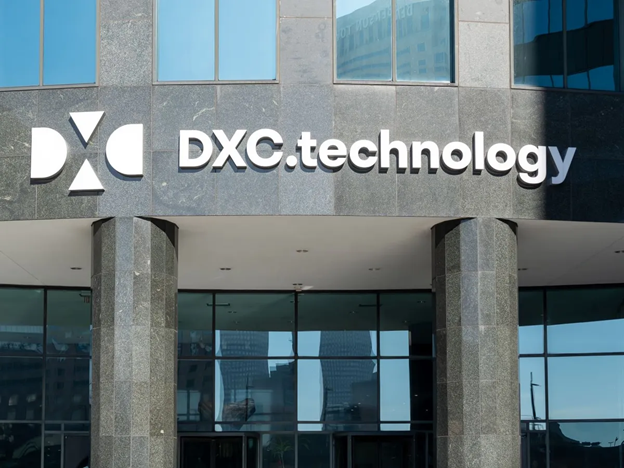
DXC has built one of the strongest enterprise modernization practices serving utility providers worldwide. Their work spans power generation, transmission networks, and large-scale distribution operators that need operational continuity while modernizing core systems.
Their utility software expertise includes:
- Enterprise platform modernization for utility operations
- SAP and Oracle implementation for asset lifecycle management
- IT and OT systems integration
- Predictive maintenance analytics
- Cloud-based infrastructure modernization
DXC stands out because their projects tend to focus on practical continuity rather than transformation theater. Utility operators rarely have the luxury of downtime-heavy software transitions.
2. SAP
SAP remains deeply embedded across global utility operations for one simple reason: utilities depend heavily on structured asset, finance, and operational process management.
Their utility strengths include:
- Enterprise asset management
- Billing and customer operations systems
- Regulatory reporting automation
- Infrastructure investment lifecycle tracking
Many utilities have spent years customizing SAP environments. The challenge now is modernization without losing institutional process logic built over decades.
3. Oracle
Oracle has a strong utility footprint through its enterprise applications and utility-specific cloud platforms.
Their focus areas include:
- Customer information systems
- Meter-to-cash process automation
- Grid data management
- Asset-intensive operational planning
Oracle tends to perform best where utilities need strong transactional reliability across customer, operational, and financial workflows.
4. Siemens Grid Software
Siemens brings enterprise software directly into operational utility intelligence.
Their capabilities include:
- Distribution management systems
- Grid analytics platforms
- Renewable resource coordination
- Outage restoration automation
Their software is built for operators making live infrastructure decisions rather than executives reviewing monthly performance summaries. That distinction matters.
5. CGI Group
CGI has extensive experience modernizing utility software ecosystems in highly regulated markets.
Their solutions cover:
- Customer information system modernization
- Advanced metering integration
- GIS-connected operational visibility
- Compliance-focused infrastructure software
They understand where enterprise software often breaks under regulatory pressure — and how to prevent it.
6. IBM Consulting
IBM’s utility software practice focuses heavily on intelligent data coordination across fragmented operational systems.
Their strengths include:
- AI-powered operational forecasting
- Asset performance optimization
- Hybrid cloud integration
- Automated compliance workflows
They tend to add the most value when utilities have strong systems individually but poor enterprise-wide visibility.
7. IFS
IFS has become increasingly relevant for utilities needing software centered on physical infrastructure management.
Their capabilities include:
- Enterprise asset management
- Field workforce coordination
- Maintenance scheduling automation
- Infrastructure project lifecycle oversight
They often fit well where utilities need stronger operational execution software without rebuilding broader ERP environments.
How to Choose the Right Enterprise Software Partner
Most providers can demonstrate functionality in controlled presentations. Utility operations expose weaknesses fast.
Look for firms with direct experience inside regulated utility environments. Ask whether they have integrated enterprise systems with operational technologies before. Push hard on migration strategy, uptime planning, and long-term scalability.
The right software partner is rarely the one promising the fastest transformation. It is usually the one that understands why stability, regulatory precision, and operational trust matter more than flashy features.
To read more content like this, explore The Brand Hopper
Subscribe to our newsletter