
Last Updated on September 9, 2026 by Team TBH
Quick Answer
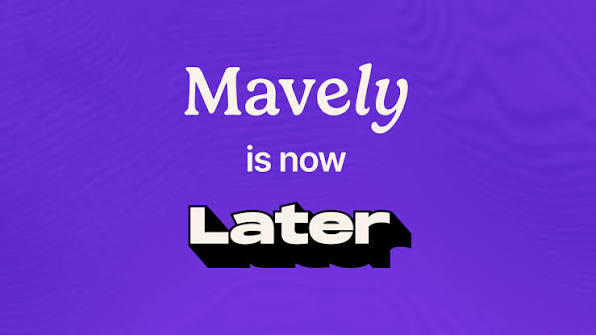
On September 1, 2026, Mavely rebranded to Later, and the change is a useful case study in something bigger: affiliate links break more often than most creators and brands realize, and every broken link is a lost sale. The most common causes are app redirect failures, expired tracking parameters, and rebrands like this one. The fix is app deep linking: instead of a plain URL that may fail to open the right app or land on the wrong page, a deep link sends the shopper straight into the product page inside apps like LTK, Amazon, or Instagram, with tracking intact. Creators and brands who switch to deep linking for their affiliate and shoppable content typically see fewer failed redirects, more consistent attribution, and less revenue lost to links that simply stop working.
What Happened: Mavely Becomes Later
Mavely officially rebranded to Later on September 1, 2026, folding its affiliate network into Later’s broader creator platform. Existing mave.ly links keep working, and creator payouts continue as before, but the brand identity, app name, and how creators talk about the platform are all shifting. Any content, from Instagram captions to blog posts, that still calls the tool “Mavely” will read as outdated within a few months, even though the underlying links still function.
This is exactly the kind of change that catches affiliate marketers off guard. A creator who built a library of links and posts around one app name now has to decide whether to update old content, how to explain the change to their audience, and how to make sure new links open correctly in whichever app a follower has installed. Brands running affiliate programs face the same question at scale, across every creator in their network.
Why This Keeps Happening: Affiliate Links Break More Than You’d Think
Mavely’s rebrand is just one version of a much bigger pattern. A shoppable link looks simple from the outside: a creator posts it, a follower taps it, a sale happens. In practice, that chain breaks constantly. A link built for mobile browsers might dump a shopper on a generic homepage instead of the exact product the creator recommended. A tracking parameter can expire or get stripped by a platform’s in-app browser. And every so often, an entire affiliate network changes its name, its domain, or its link structure, and every post that used the old format quietly stops working.
None of this is rare. Creators and influencers are now one of the fastest-growing groups of affiliate publishers, according to affiliate network data reported by eMarketer, and that growth means more links, more apps, and more places for something to go wrong. A single creator can easily be running affiliate links through half a dozen different platforms at once, each with its own app, its own redirect behavior, and its own quirks. For brands and agencies managing affiliate programs across dozens of creators, a small failure rate on links adds up to a meaningful chunk of lost commission and lost sales, and it’s rarely visible until someone actually audits the links.
Deep Linking Solves the Redirect Problem
The underlying fix for most of this is app deep linking. A deep link doesn’t just point to a domain, it points to a specific screen or product inside an app, and it’s built to detect whether that app is installed and route the shopper accordingly. If the app isn’t installed, a well-built deep link falls back to a mobile web page or app store listing instead of a dead end.
For affiliate and creator commerce specifically, this matters because so much shopping now happens inside apps like LTK, Amazon, and Instagram rather than in a browser. JotURL, for example, has a guide to creating LTK product deep links, which is one of the more common integration requests from creators who want their product recommendations to open directly in the LTK app instead of bouncing through a browser first. The same logic applies to any affiliate platform going through a rebrand or a technical change: a deep link built around the destination product, not around one app’s current branding, is far less likely to break when the platform behind it changes its name.
A Short Checklist Before Your Next Campaign
Before launching or refreshing an affiliate campaign, it’s worth checking a few things. First, test every link on both iOS and Android, since app behavior differs by platform and a link that opens correctly on one can fail silently on the other. Second, confirm tracking parameters survive the redirect, not just the initial click, since a broken parameter can mean a sale happens, but the commission never gets attributed. Third, audit older posts for links tied to a platform that has since rebranded or changed its link format, starting with any content built around Mavely before September 2026. Fourth, keep disclosure language current: the FTC’s endorsement guidance requires creators to clearly and conspicuously disclose paid or commission-based relationships near the link itself, not buried in a bio or a separate post. None of these checks take long individually, but skipping them across a full content library is usually where the lost revenue hides.
The Takeaway
Affiliate marketing keeps growing, and so does the number of ways a link can quietly stop converting. Rebrands like Mavely becoming Later are a reminder that the tools underneath a creator’s content change more often than the content itself gets updated. Building affiliate and shoppable links around app deep linking, rather than around one platform’s current name, is a practical way to keep commissions flowing when the next rebrand happens.
Frequently Asked Questions
Do old Mavely links still work after the rebrand to Later?
Yes. According to Later’s own announcement, existing mave.ly links remain active and continue to earn commissions, and creator accounts transitioned automatically without requiring new logins. What changes is the visible brand name and app identity going forward, not the underlying link infrastructure.
What’s the difference between a regular affiliate link and a deep link?
A regular affiliate link usually opens a browser tab and may or may not land on the exact product page. A deep link is built to open the specific screen inside an app, whether that’s a product page in LTK or Amazon, and it typically includes a fallback for shoppers who don’t have the app installed.
How often should creators or brands audit their affiliate links?
A quarterly check is reasonable for most creators, and monthly for high-volume affiliate programs or brands managing many creator partnerships, since platform changes like the Mavely to Later shift can happen with little warning.
Does deep linking work the same way across different affiliate platforms?
The concept is the same everywhere: route the shopper to the exact in-app screen instead of a generic browser page, with tracking preserved along the way. The implementation details differ by platform, since each app handles redirects and link formats slightly differently, which is why dedicated guides for specific platforms like LTK tend to be more reliable than a one-size-fits-all approach.
To read more content like this, explore The Brand Hopper
Subscribe to our newsletter