Last Updated on September 29, 2026 by Team TBH
Christian Dior is a French luxury fashion house founded by Christian Dior in 1946. Headquartered in Paris, the Maison became famous for its revolutionary “New Look” in 1947 and has since expanded across haute couture, fashion, leather goods, accessories, fragrances and beauty.
In 2025, Jonathan Anderson became Dior’s Creative Director for Women’s, Men’s and Haute Couture collections. Previously the Creative Director of Loewe, Anderson became the first designer since Christian Dior himself to oversee all three major creative areas of the House. His first Dior collections received strong attention from the fashion industry.
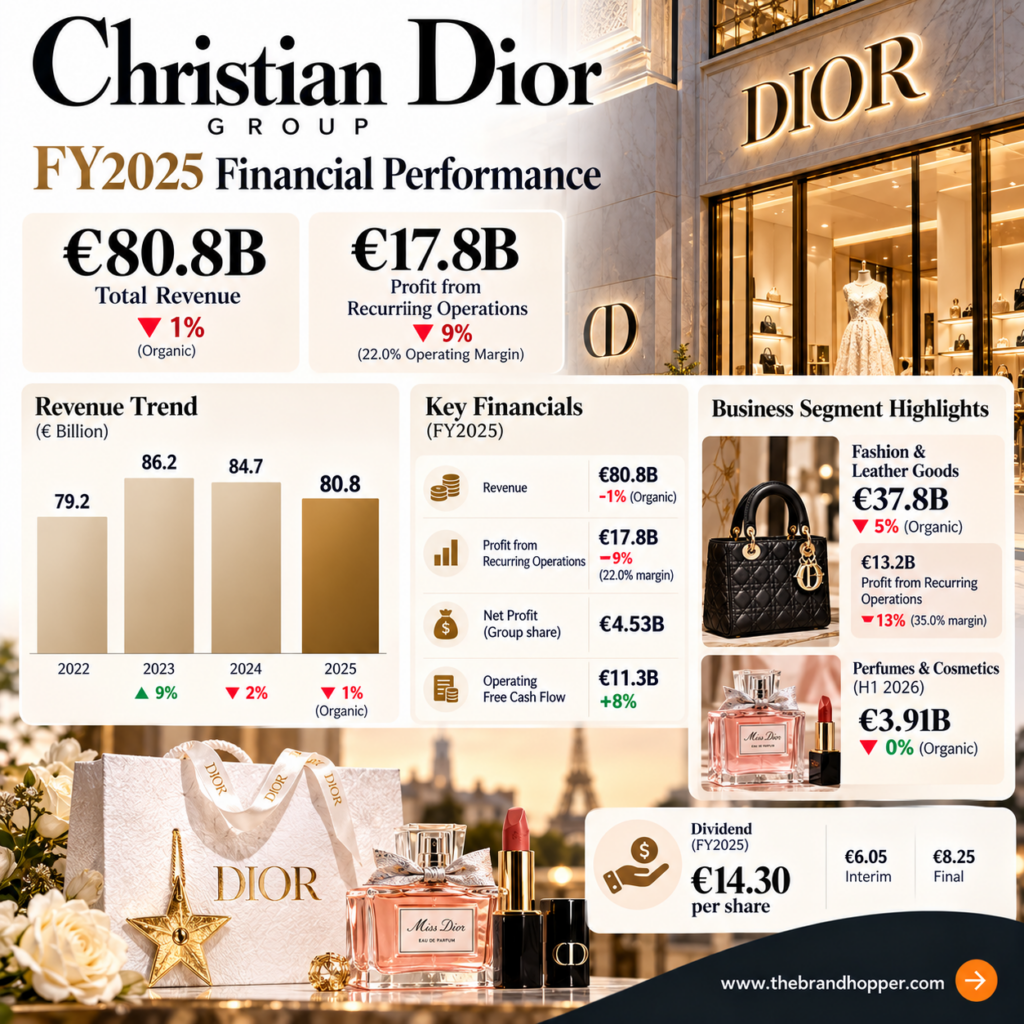
The parent company Christian Dior SE, which controls LVMH, reported €80.807 billion in revenue in 2025, with €17.750 billion in profit from recurring operations. These figures represent the broader group and should not be treated as Dior’s standalone revenue. LVMH’s Fashion & Leather Goods division, which includes Dior and other Maisons, generated €37.770 billion in 2025.
Dior remains a major force in luxury fragrance. Sauvage was the world’s best-selling men’s fragrance in 2025, while J’adore and Miss Dior remained important women’s fragrance franchises. Dior also ranked #2 in the Vogue Business Index H1 2025, behind Louis Vuitton and ahead of Gucci.
This article explores Dior’s history, marketing strategy, financial performance, brand positioning, success factors and competitive landscape.
The Glorious History of Christian Dior
The history of Christian Dior is closely connected with the development of modern luxury fashion. From the revolutionary New Look of 1947 to a global Maison spanning couture, fashion, accessories, fragrances and beauty, Dior has evolved from a Parisian couture house into one of the world’s most recognized luxury brands.
The Founding and the New Look Revolution
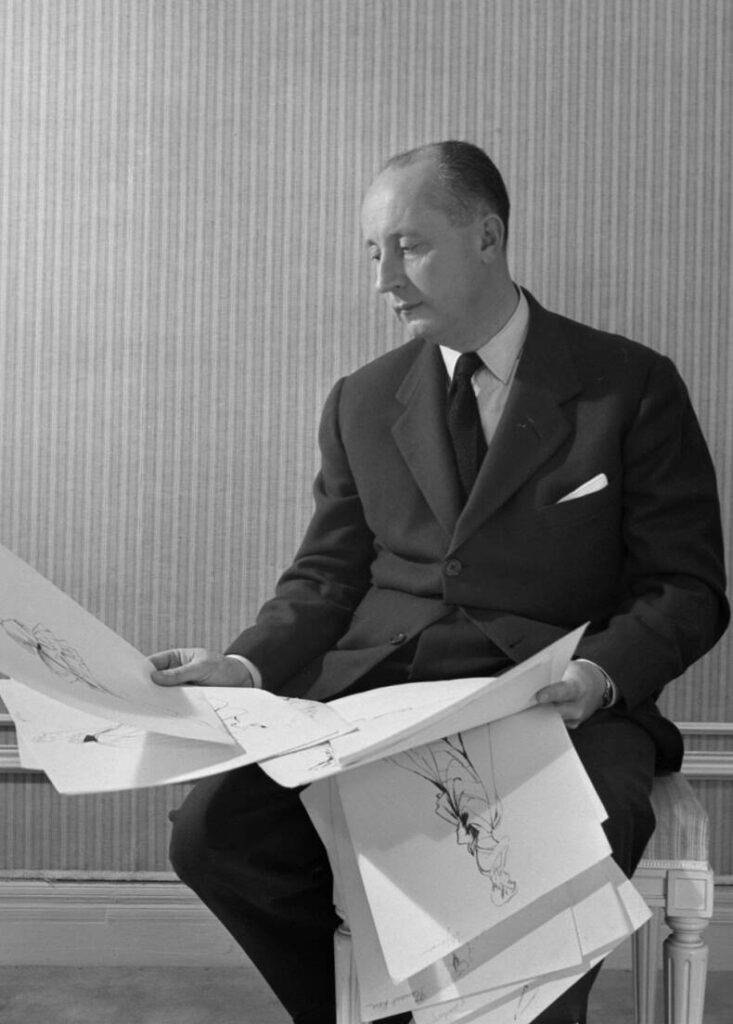
Christian Dior was born in Granville, Normandy, in 1905. He developed an early interest in architecture, gardens and the arts before entering the fashion world. During the 1930s and 1940s, he worked with leading Parisian couturiers including Robert Piguet and Lucien Lelong, developing the design language that would later define his own Maison.
In 1946, with financial backing from textile entrepreneur Marcel Boussac, Dior founded his couture house at 30 Avenue Montaigne in Paris. On February 12, 1947, he presented his first collection, centered on the Corolle and En 8 silhouettes. Harper’s Bazaar editor-in-chief Carmel Snow famously described the designs as a “New Look,” a name that quickly became associated with Dior’s revolutionary approach.
The New Look emphasized a narrow waist, rounded shoulders, structured hips and a full skirt, creating a distinctly feminine silhouette after years of wartime austerity. The Bar suit, with its sculpted jacket and full black skirt, became one of the defining symbols of the collection and remains one of Dior’s most recognizable designs. The collection was both celebrated and criticized, particularly for its use of fabric at a time when post-war shortages were still being felt.
Expansion and the Golden Decade
The success of the New Look quickly expanded beyond couture. Dior established an international presence, including a New York operation in 1948, and developed a broader product ecosystem around the Dior name. The House introduced different silhouettes during the late 1940s and 1950s, including the A-line, H-line and Y-line, while expanding into accessories, hosiery, shoes, fragrances and other categories.
In 1947, Dior launched Miss Dior, its first fragrance, created by perfumers Jean Carles and Paul Vacher and introduced alongside the House’s first fashion collection. In 1949, Dior established an early fashion licensing model through the marketing of Dior stockings in the United States. The approach helped extend the brand beyond couture and became an influential model for the wider luxury industry.
The Succession of Creative Directors
Christian Dior died suddenly in October 1957, aged 52. Yves Saint Laurent, who had joined Dior as his first and only assistant in 1955 at the age of 19, was appointed to lead the House’s artistic direction. His first collection for Dior, the Trapeze line in 1958, was highly successful and introduced a younger silhouette to the Maison.
The succession of creative directors that followed shaped Dior through successive eras:
- Yves Saint Laurent (1957–1960): Introduced a youthful, modern interpretation of Dior before leaving the House and establishing his own fashion label.
- Marc Bohan (1960–1989): Led Dior for nearly three decades, emphasizing refined silhouettes and commercial consistency. His tenure remains the longest of any Dior creative director after Christian Dior.
- Gianfranco Ferré (1989–1996): Brought an architectural and structured aesthetic to Dior, combining traditional French couture codes with his distinctive Italian design sensibility.
- John Galliano (1996–2011): Known for theatrical presentations and highly conceptual collections, Galliano brought an extravagant and narrative-driven approach to Dior’s runway shows and became one of the House’s most influential modern creative directors.
- Raf Simons (2012–2015): Introduced a more minimalist and contemporary interpretation of Dior. His first haute couture collection was created within a short preparation period and later became the subject of the documentary Dior and I.
- Maria Grazia Chiuri (2016–2025): Became Dior’s first female creative director and brought a strong focus on women’s identity, craftsmanship and cultural collaborations. Her debut collection featured the now-famous “We Should All Be Feminists” T-shirt, while her tenure expanded Dior’s engagement with artisans and creative communities around the world.
Jonathan Anderson: A New Creative Chapter
In 2025, Dior appointed Jonathan Anderson as Creative Director of its Haute Couture, Men’s and Women’s collections. The Northern Irish designer had previously spent more than a decade at Loewe, where he developed a distinctive approach combining fashion, craftsmanship, art and design.
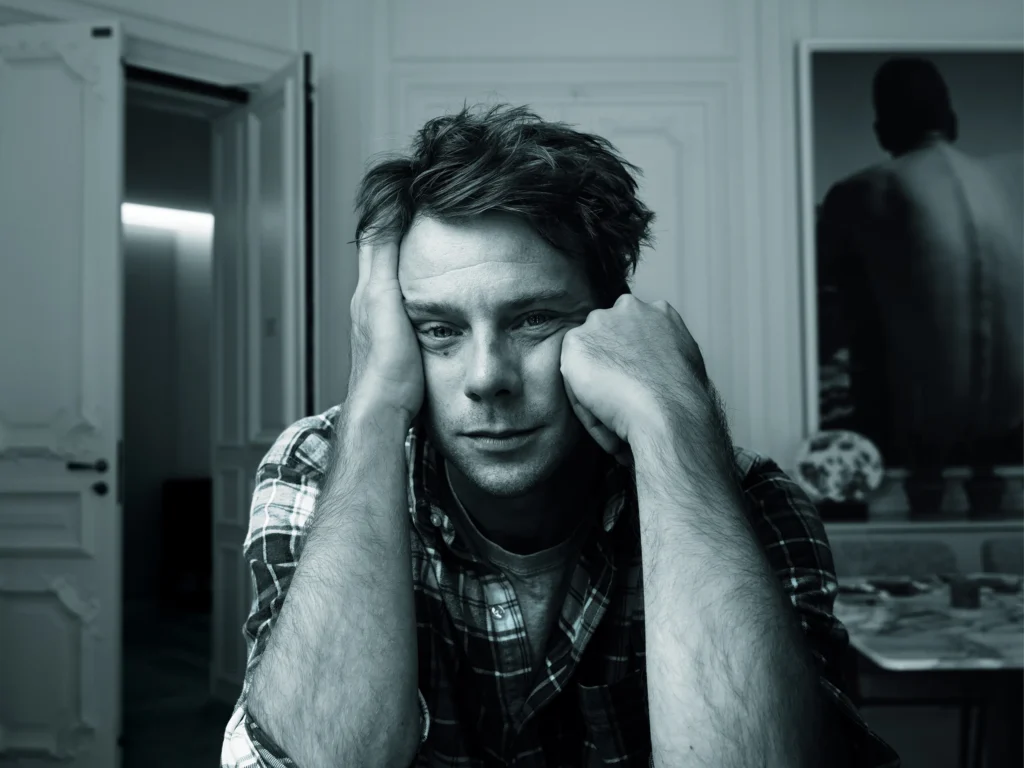
Anderson’s appointment marked a significant change for Dior: he became the first designer since Christian Dior to oversee the House’s haute couture, men’s and women’s creative direction simultaneously. His first Dior Men’s collection was presented on June 27, 2025, followed by his first Women’s ready-to-wear collection on October 1, 2025. Christian Dior SE reported that his first two shows received particularly high acclaim, attracted a record audience and generated enthusiastic reviews, marking the beginning of a new creative chapter for the Maison.
Why is Christian Dior So Successful in the Luxury World?
Dior’s longevity in luxury fashion is built on a combination of strong creative direction, couture heritage, iconic products, global distribution and the resources of LVMH. These elements have allowed the Maison to evolve across generations while maintaining recognizable Dior codes.
1. Visionary Creative Direction Across Every Era
One of Dior’s defining strengths has been its ability to evolve creatively while maintaining its core identity.
From Yves Saint Laurent and Marc Bohan to John Galliano, Raf Simons, Maria Grazia Chiuri and now Jonathan Anderson, successive creative directors have introduced distinct interpretations of the Maison. This balance between heritage and creative renewal remains central to Dior’s strategy.
2. Timeless Elegance Rooted in Couture Craft
Couture craftsmanship remains fundamental to Dior’s identity. The historic 30 Montaigne continues to house Dior’s ateliers, where highly skilled artisans create haute couture and other exceptional pieces.
The site has been transformed into a 10,000+ square-meter destination bringing together couture, fashion, leather goods, jewelry, fragrances, art, gastronomy and culture. This connection between craftsmanship and the wider Dior universe reinforces the Maison’s premium positioning.
3. Iconic Products That Transcend Fashion Cycles
Dior has built a portfolio of products with strong long-term recognition.
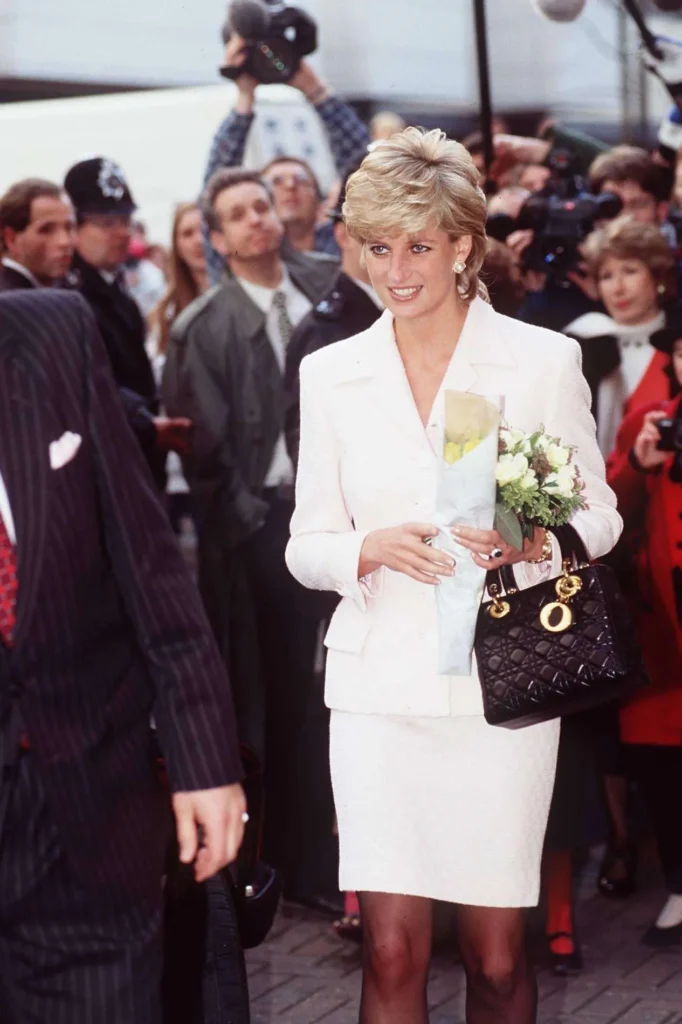
The Lady Dior, closely associated with Princess Diana after she was presented with a Dior bag in Paris in 1995, remains one of the House’s signature handbags. Other enduring products include the Bar jacket, Saddle bag and Book Tote. In fragrance, Sauvage remained the world’s best-selling men’s fragrance in 2025, while J’adore and Miss Dior continue to be important Dior fragrance franchises.
4. A Truly Global Distribution Model
Dior has developed a global network of directly operated boutiques and digital channels, with a presence across major luxury markets in Europe, North America, Asia and the Middle East.
The Maison continues to invest selectively in flagship stores and distinctive retail experiences, while its digital ecosystem complements its physical boutiques. 30 Montaigne itself illustrates this approach, combining retail with beauty, gastronomy, culture and La Galerie Dior.
5. Heritage as Competitive Moat
Dior’s heritage is an active part of its brand strategy, rather than simply a historical asset. The New Look, the Bar jacket, Cannage motif and other House codes continue to influence contemporary collections and products.
The 30 Montaigne site and La Galerie Dior make this heritage accessible through exhibitions, archives, objects and immersive experiences, connecting the Maison’s history with today’s consumers.
6. LVMH Ownership: A Major Strategic Advantage
Dior benefits from being part of LVMH, giving the Maison access to the group’s financial resources, retail expertise, global infrastructure, talent and operational capabilities.
The Christian Dior Group, which consolidates LVMH, reported €80.807 billion in revenue and €11.3 billion in operating free cash flow in 2025, with operating free cash flow increasing 8% year over year. LVMH also highlighted continued investment in exceptional stores, craftsmanship and its Maisons despite a challenging global environment.
These resources support Dior’s ability to invest in products, stores, communications and craftsmanship with a long-term perspective. On the business side, Delphine Arnault has served as Chairman and CEO of Christian Dior Couture since February 2023, working alongside the House’s creative leadership.
Marketing Strategies of Christian Dior
Dior’s marketing approach is one of the most sophisticated in the luxury industry — a carefully calibrated blend of tradition and innovation, aspiration and accessibility, grand spectacle and intimate digital engagement. The strategies below reflect both the house’s enduring methods and the most significant recent evolutions under its new creative direction.
1. Brand Image and Positioning
Dior’s brand image is built around luxury, elegance, couture craftsmanship and French heritage, while continually adapting to contemporary culture. The House positions itself around the traditions of Parisian haute couture, combining craftsmanship and historical Dior codes with modern design, art and cultural references.
Dior’s brand strategy remains closely connected to its founding story. The 1947 New Look, 30 Avenue Montaigne and the Bar jacket continue to serve as important references across collections, products and communications. Rather than treating heritage as something static, Dior continually reinterprets these codes through successive creative directors, creating a balance between heritage and modernity.
Jonathan Anderson’s appointment has introduced another interpretation of this strategy. Since becoming Creative Director of Dior’s Haute Couture, Men’s and Women’s collections in 2025, Anderson has drawn extensively on the House’s archives while introducing contemporary references. His debut men’s collection revisited elements including the Bar jacket, Dior Book Tote and Lady Dior, while his subsequent work has continued to explore Dior’s historical codes through a contemporary perspective.
2. Jonathan Anderson’s Creative Vision: A New Dior Aesthetic
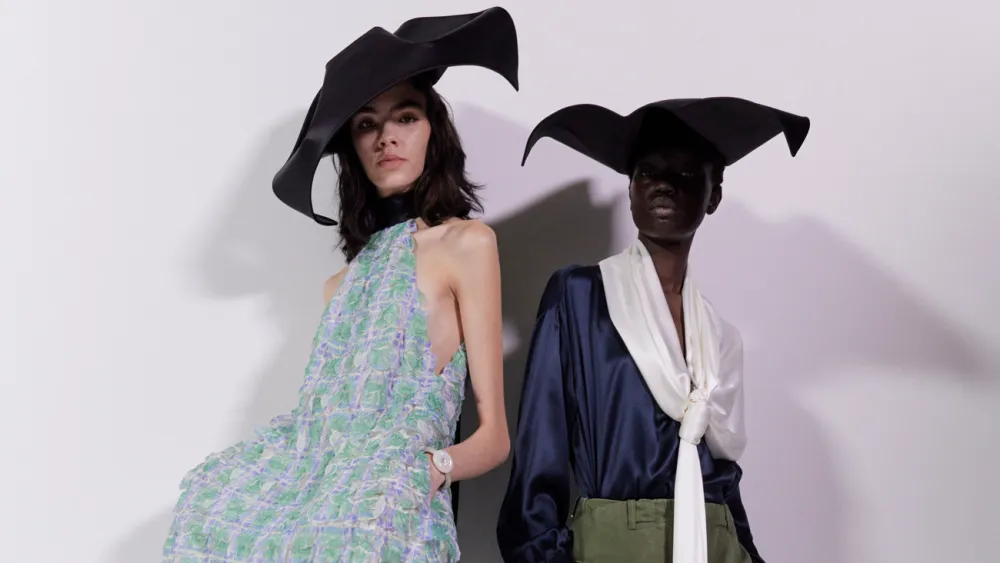
Jonathan Anderson’s first Dior Women’s ready-to-wear collection, presented in Paris on October 1, 2025, established the direction of his new chapter at the House. The Spring-Summer 2026 collection revisited Dior’s archives while introducing a more contemporary interpretation of its codes. Bar-jacket-inspired silhouettes, bows, flowers, Cannage motifs and dramatic accessories appeared alongside more everyday pieces, creating a dialogue between Dior’s couture heritage and contemporary fashion. LVMH described the collection as a way of bringing Dior’s past into the present while looking toward the future.
The response to Anderson’s arrival has been significant. LVMH reported that his first Men’s and Women’s shows were highly acclaimed, attracted record audiences and received enthusiastic reviews. At the same time, Dior’s business trends improved during the second half of 2025, with LVMH highlighting stronger momentum at the Maison. Anderson has subsequently continued developing this direction through his Spring-Summer 2026, Autumn-Winter 2026–27 and Cruise 2027 collections, repeatedly drawing on Dior’s archives while introducing new silhouettes, accessories and cultural references.
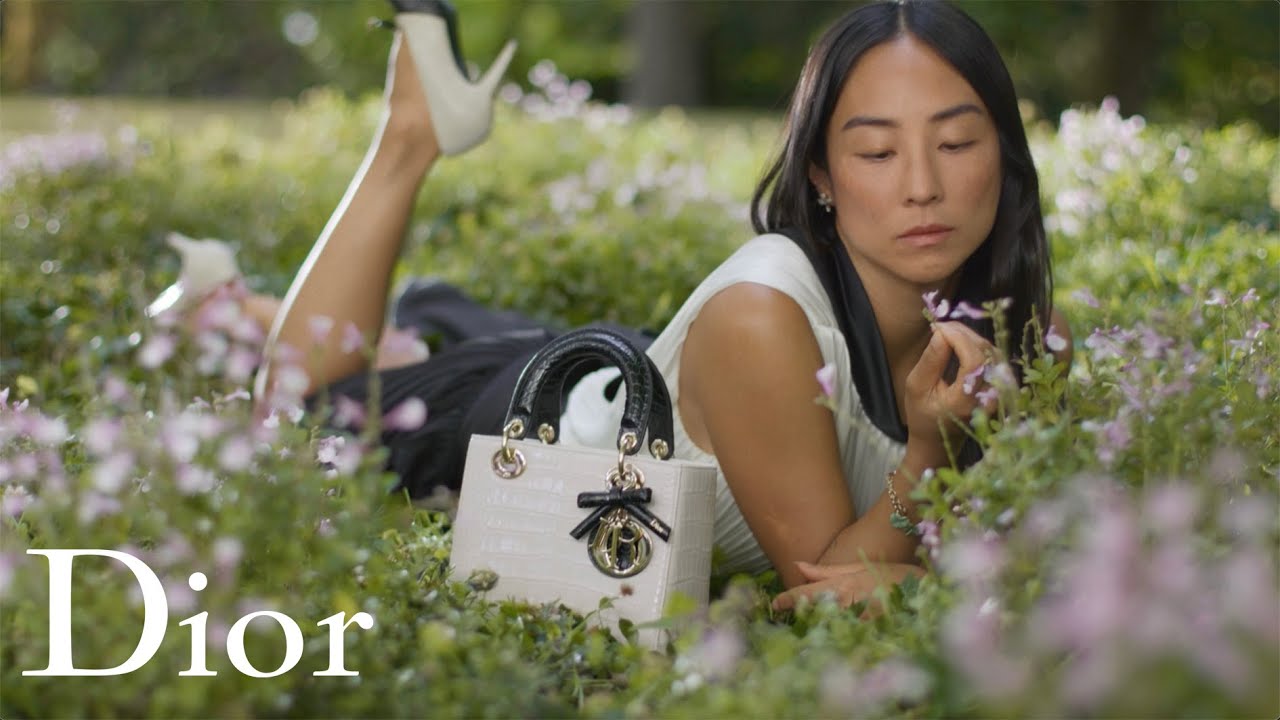
Anderson’s approach is increasingly visible beyond the runway. Dior’s Spring-Summer 2026 Lady Dior campaign, featuring Mia Goth, Greta Lee and Mikey Madison and photographed by David Sims, connected the iconic handbag with the 18th-century French references present in Anderson’s early Dior designs. His 2026 collections have similarly explored the relationship between historical Dior codes and contemporary culture, suggesting a creative strategy built around reinterpretation rather than abandoning the House’s heritage.
3. Influential Collaborations
From artists and musicians to craftspeople, gaming platforms and fashion brands, Dior uses collaborations to connect its heritage with contemporary culture. Under successive creative directors, the House has worked across art, music, craft, sport and digital entertainment, using collaborations to introduce new creative perspectives while extending Dior’s reach into different audiences.
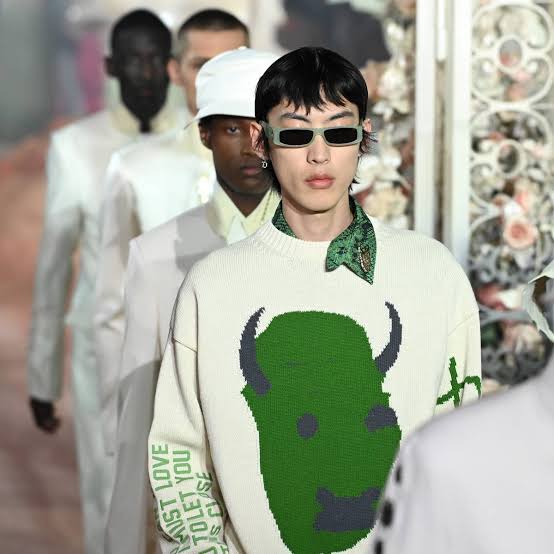
Creative Crossovers: Dior’s history of collaboration with contemporary artists and cultural figures is extensive. In 2021, Travis Scott and Kim Jones created the Cactus Jack Dior Spring/Summer 2022 men’s collection, combining Scott’s creative universe with Dior’s tailoring and couture savoir-faire. The collaboration incorporated Scott’s Cactus Jack identity into Dior’s classic codes and included clothing, accessories and jewelry. It followed other Kim Jones collaborations with artists such as KAWS, demonstrating Dior Men’s strategy of connecting traditional luxury craftsmanship with contemporary art and popular culture.
Global Resonance: Dior has also developed collaborations around local craftsmanship and cultural traditions. For the Fall 2023 collection presented in Mumbai, Maria Grazia Chiuri worked closely with Karishma Swali, Chanakya Atelier and the Chanakya School of Craft, using embroidery and Indian textile traditions throughout the collection and its presentation. Dior has also incorporated the work of Indian artists Madhvi and Manu Parekh into its Haute Couture universe, including their artworks in the presentation of the Spring-Summer 2022 Haute Couture collection. These projects illustrate Dior’s approach of combining its French couture expertise with regional artistic and craft traditions.
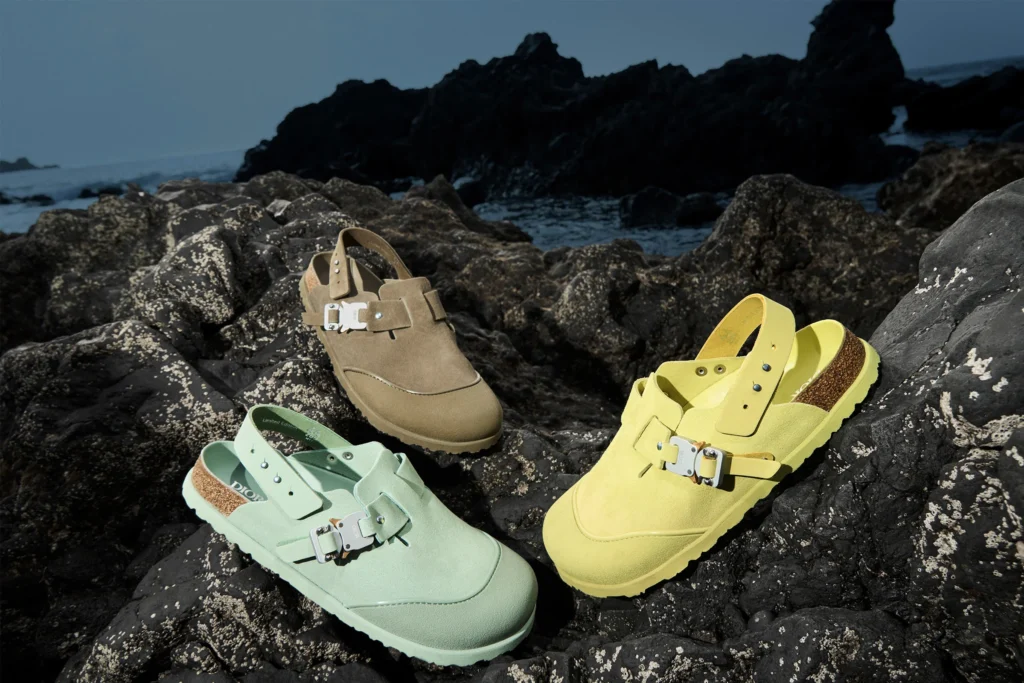
Unexpected Twists: The Dior x Birkenstock collaboration formed part of Kim Jones’s Winter 2022–23 men’s collection. Dior reinterpreted Birkenstock’s Tokio clog and Milano sandal, incorporating Dior Oblique elements, embroidery and luxury materials. The collaboration brought together Birkenstock’s functional footwear designs with Dior’s couture-inspired craftsmanship, illustrating how the House could reinterpret familiar products through its own design language.
Beyond Fashion: Dior also entered gaming through its 2022 collaboration with Gran Turismo 7. Designed by Kim Jones, the virtual capsule included Dior racing gear for player avatars and a customized De Tomaso Mangusta (Christian Dior), incorporating the House’s Dior Oblique motif and the number “47,” referencing the year of Dior’s first collection. Dior later created a physical collection of racing shoes, driving gloves and caps for the Gran Turismo World Series 2023 World Finals, demonstrating how the Maison has extended its creative codes into gaming and motorsport culture.
4. Runway Shows and Fashion Events
Dior’s runway shows go beyond presenting clothes, using sets, art, music, architecture and storytelling to create distinctive fashion experiences. Under Maria Grazia Chiuri, this approach became particularly visible through collaborations with artists and cultural institutions. Jonathan Anderson is continuing this relationship between Dior’s heritage, fashion and contemporary art through his own creative direction.
Immersive Experiences: Dior has consistently used its runway environments as an extension of its collections. For the Autumn-Winter 2023–24 show, Maria Grazia Chiuri collaborated with Portuguese artist Joana Vasconcelos, who created the monumental “Valkyrie Miss Dior” installation for the presentation at the Tuileries. The installation’s organic forms interacted with the architecture of the venue and complemented a collection inspired by Dior’s historical codes. Such productions transform the runway environment into an important part of the overall brand experience.
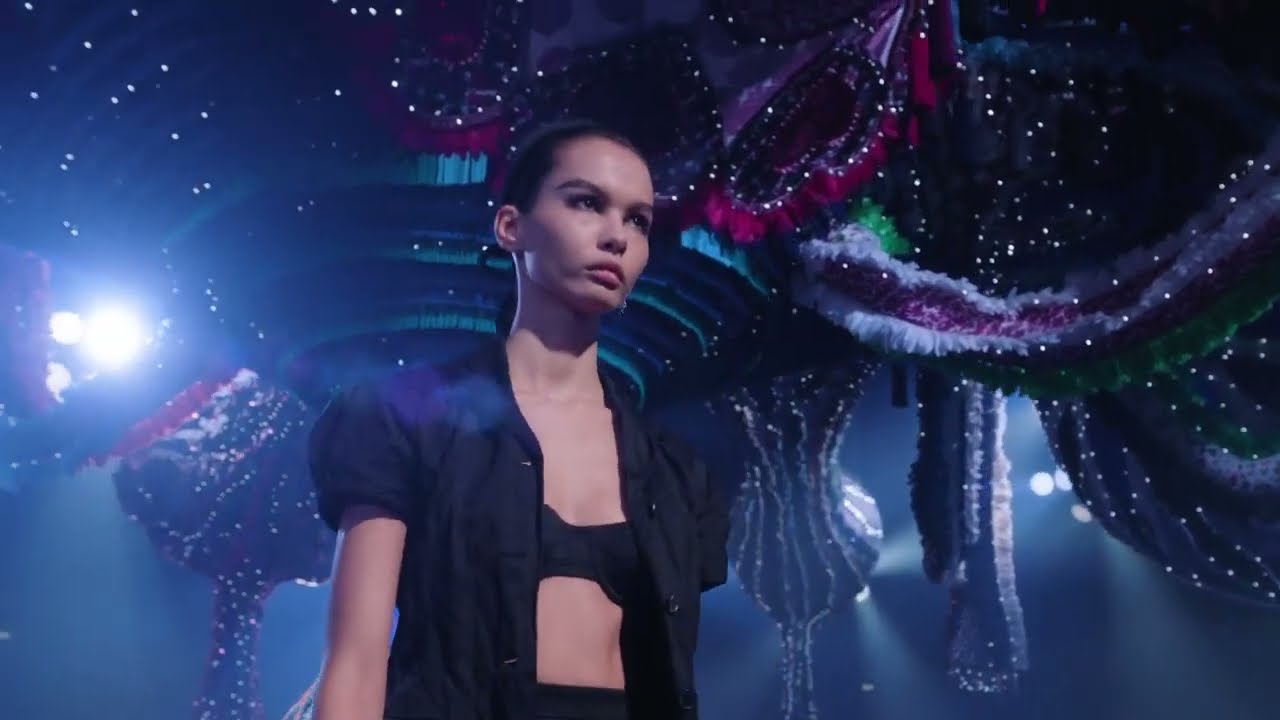
Global Storytelling: Dior’s Fall 2023 Ready-to-Wear show in Mumbai, presented on March 30, 2023, demonstrated the House’s engagement with Indian craftsmanship and cultural heritage. Maria Grazia Chiuri worked closely with Karishma Swali, Chanakya Atelier and the Chanakya School of Craft, incorporating Indian embroidery and textile traditions into the collection and its presentation. The show also featured a monumental installation inspired by the traditional Indian toran. Dior described the project as a creative dialogue between French couture and Indian craftsmanship.
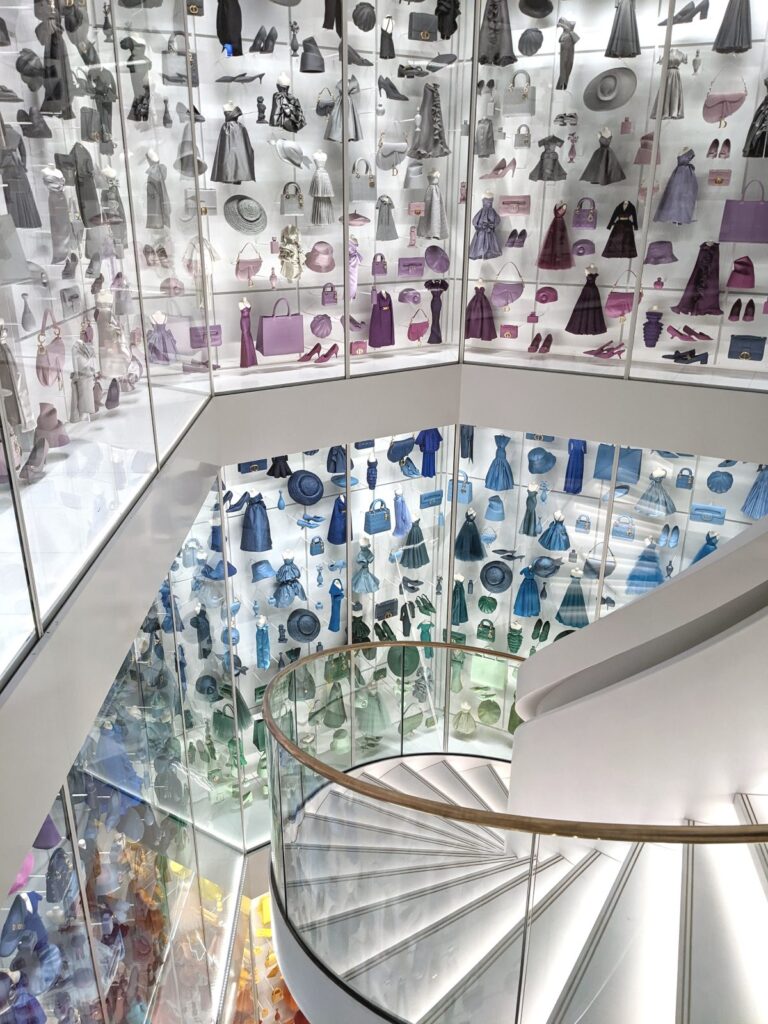
La Galerie Dior: La Galerie Dior, located at 11 Rue François Premier in Paris as part of the 30 Montaigne complex, provides a permanent exhibition dedicated to the history and creative legacy of the House. The exhibition explores Christian Dior and his successors through couture pieces, archival material and historical objects. The wider 30 Montaigne destination spans more than 10,000 square meters and combines fashion, leather goods, jewelry, fragrances, art, gastronomy and culture. Together, these spaces allow Dior to turn its heritage into an experiential component of the brand, connecting its history with visitors, customers and fashion audiences.
5. Iconic Brand Ambassadors
Dior has developed a broad network of ambassadors and cultural figures across fashion, entertainment, sport and music. This global ambassador strategy allows the House to connect its luxury identity with different audiences and markets while giving its campaigns a contemporary cultural dimension.
Robert Pattinson has maintained a long-standing association with Dior Homme, appearing in campaigns for the fragrance and its latest reinterpretations. Dior’s current Dior Homme Parfum campaign again features Pattinson, reinforcing his connection with the House’s image of contemporary masculinity.
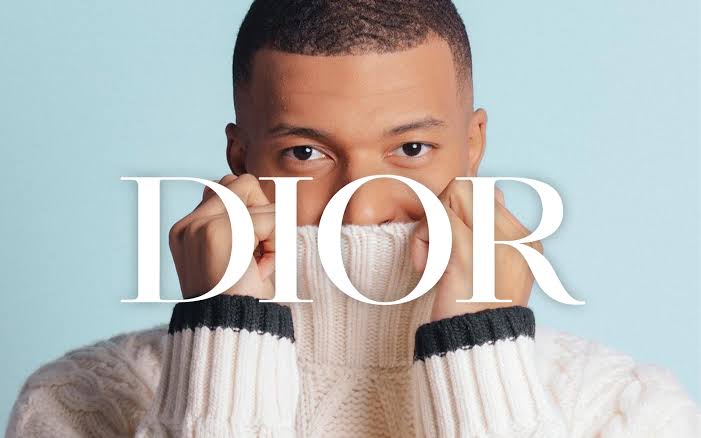
Kylian Mbappé represents Dior’s connection with international sport and contemporary popular culture. As a Dior ambassador, the French footballer has appeared in the House’s recent fashion communications, including the Spring-Summer 2026 campaign developed under Jonathan Anderson. His presence extends Dior’s visibility beyond traditional fashion audiences and connects the House with a global sports audience.
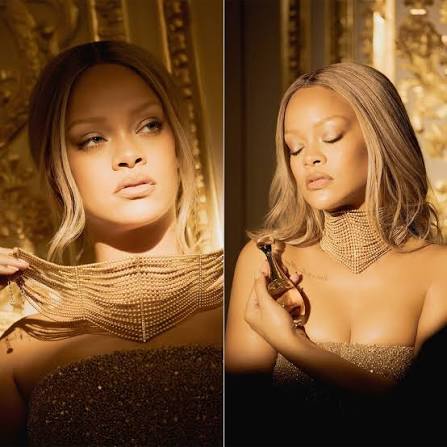
Rihanna has become the new face of J’adore, marking a significant change for one of Dior’s most recognizable fragrance franchises. Her campaign, photographed by Steven Klein at Versailles, presents a new interpretation of J’adore and introduces L’Or de J’adore, created by Dior Perfume Creation Director Francis Kurkdjian. The appointment follows the fragrance’s long association with Charlize Theron and brings a new global cultural figure to the J’adore universe.
Dior also maintains strong relationships with younger and digitally influential talent. Anya Taylor-Joy is a Dior fashion and beauty ambassador, while TXT (TOMORROW X TOGETHER) became Dior global ambassadors in 2023. More recently, Dior’s Spring-Summer 2026 communications have featured Greta Lee, Paul Kircher, Louis Garrel and Kylian Mbappé, alongside other contemporary talent. This combination of established stars, actors, musicians and athletes allows Dior to continually refresh its cultural relevance across different audiences.
6. Strategic Partnerships and Pop-Up Experiences
Dior creates highly curated retail experiences to complement its boutiques and digital channels. The House uses selected department-store partnerships, pop-ups and temporary installations to introduce collections to new audiences while translating its creative identity into physical spaces.
Partnering for Reach: Dior’s beauty and fragrance products are also distributed through selected luxury retailers and specialist beauty platforms. Sephora currently carries Dior makeup, skincare and fragrances, while Nordstrom offers Dior beauty and fragrance products through its stores and online platform. These partnerships give Dior Beauty additional points of access beyond its own boutiques and e-commerce channels.
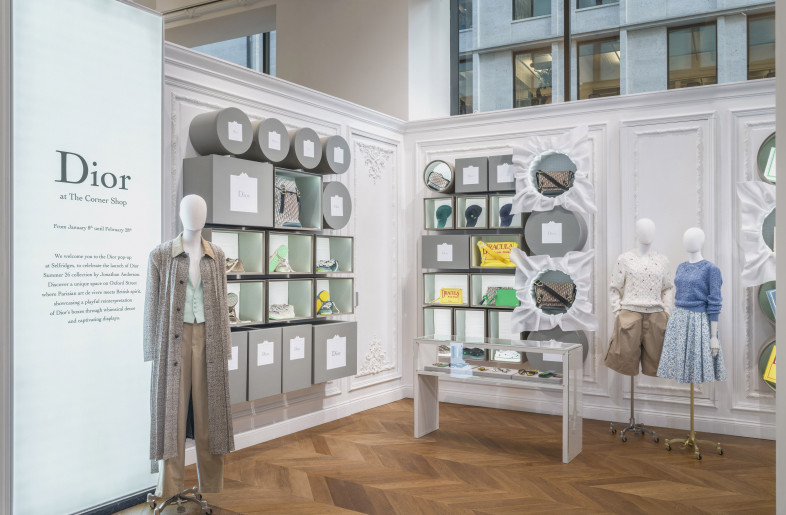
Pop-Ups with Personality: Dior uses temporary retail spaces to turn collection launches into immersive brand experiences. In London, Dior opened a Summer 2026 pop-up at Selfridges from January 8 to February 27, 2026, celebrating Jonathan Anderson’s first Dior collections through a scenography inspired by the House’s historic Colifichets boutique. Dior also created a Summer 2026 pop-up at Le Bon Marché in Paris, featuring reinterpretations of its archives, interactive elements and exclusive products. These installations demonstrate how Dior combines retail with storytelling, design and customer experience.
Omnichannel Accessibility: Dior combines its own e-commerce platform, directly operated boutiques, selected retailers and travel-retail locations to reach customers across multiple touchpoints. Its airport presence includes dedicated boutiques and tax-free services; in Japan, for example, Dior offers airport services at Haneda, Narita and Kansai International Airport. The House is also expanding experiential retail formats, such as the Dior Bamboo Pavilion in Tokyo, which combines fashion, customization, art, Japanese craftsmanship, hospitality and retail in a single destination.
7. Digital Marketing and Social Commerce
Dior has invested significantly in its digital presence and omnichannel capabilities, with strong visibility across social platforms and digital consumer touchpoints. In the Vogue Business Index H1 2025, Dior ranked second among the 60 luxury brands evaluated, behind Louis Vuitton and ahead of Gucci. The Index incorporates more than 160 data points, including digital presence, social-media engagement, innovation and consumer sentiment.
Short-form video on Instagram and TikTok is an important part of Dior’s digital storytelling. Content showcasing atelier savoir-faire — from embroidery and garment construction to jewelry and leather craftsmanship — allows Dior to communicate the work of its artisans in formats designed for digital audiences. The House regularly uses close-up imagery, behind-the-scenes footage and editorial video to make its craftsmanship and creative process more accessible online.
Augmented reality and virtual try-on technologies allow consumers to experience selected Dior products digitally before purchase. Dior offers virtual makeup try-on through its website, while selected fashion and jewelry products can also be experienced through Snapchat-based AR try-ons. These tools reduce some of the uncertainty associated with online product discovery while adding an interactive layer to the digital shopping experience.
Dior’s runway strategy combines physical fashion shows with digital livestreaming and editorial content, allowing audiences around the world to follow collections beyond the physical venue. Dior’s official show platforms provide live and on-demand digital access alongside extensive backstage, collection and craftsmanship content. The House also integrates artists and cultural installations into its physical shows — such as Rithika Merchant’s installation for the Spring-Summer 2025 Haute Couture show — extending the storytelling beyond the runway itself.
8. Fragrance as a Marketing Force
Dior’s fragrance portfolio is not just a revenue driver; it is also one of the House’s most important consumer-facing brand platforms. Fragrances function as entry-point luxury products, reaching a broader consumer base than haute couture and creating recurring opportunities for Dior to communicate its identity through products such as Sauvage, J’adore, Miss Dior and Dior Homme.
Dior Sauvage has achieved exceptional scale in the fragrance industry. LVMH reported that Sauvage remained the world’s best-selling men’s fragrance in 2025, while Dior’s current communications continue to build the fragrance around themes of nature, wide-open spaces and freedom. Johnny Depp remains the face of the latest Sauvage campaign, which continues the fragrance’s long-running association with its distinctive visual universe.
LVMH does not disclose standalone revenue for Parfums Christian Dior. Dior’s fragrance and beauty business sits within LVMH’s Perfumes & Cosmetics business group, which generated €8.17 billion in revenue in 2025 and €3.9 billion in the first half of 2026. LVMH attributed the latest performance to launches including J’adore Intense and Dior Addict, new creations within La Collection Privée, and continued momentum in makeup, particularly Dior Forever and Dior Backstage.
Financials of Christian Dior
Christian Dior SE is the publicly listed holding company that controls LVMH Moët Hennessy Louis Vuitton SE through a 42.17% stake in LVMH’s share capital, representing 56.26% of LVMH’s exercisable voting rights as of December 31, 2025.
As a result, Christian Dior SE’s consolidated financial statements incorporate LVMH’s results, making the performance of the Christian Dior Group closely reflect that of the entire LVMH group. LVMH comprises 75 Maisons across five principal business groups: Fashion & Leather Goods, Perfumes & Cosmetics, Wines & Spirits, Watches & Jewelry, and Selective Retailing.
Dior’s Fashion Business: A Brand View
While Christian Dior SE’s consolidated results reflect the wider LVMH portfolio, the Dior fashion and accessories business is part of LVMH’s Fashion & Leather Goods division, alongside Louis Vuitton, Fendi, Celine, Loewe and other Maisons. LVMH does not disclose standalone revenue for Dior fashion, so the division’s €37.770 billion revenue should not be presented as Dior’s individual revenue.
In 2025, the Fashion & Leather Goods division reported a 5% organic revenue decline, although performance improved in the second half. LVMH reported that the division showed good resilience with local customers, while the comparison with 2024 was affected by strong tourist spending, particularly in Japan. In Q2 2026, the division returned to organic revenue growth of 1%, with LVMH specifically highlighting the success of Jonathan Anderson’s first designs for Christian Dior as one contributor to the group’s accelerating momentum.
Dior’s fragrance and beauty business has remained comparatively resilient. LVMH reported that Sauvage retained its position as the world’s best-selling men’s fragrance in 2025, while J’adore and Miss Dior continued to grow. As with fashion, LVMH does not report Dior’s fragrance revenue separately; it is included within the Perfumes & Cosmetics business group. The category also provides Dior with a broader consumer entry point than its higher-priced fashion and couture products.
Challenges Facing Dior
Dior’s recent growth has not been without setbacks. In June 2024, a Milan court placed Dior’s Italian leather-goods manufacturing subsidiary under judicial administration after an investigation found labour exploitation at some subcontractors supplying its handbags. In May 2025, Dior disclosed a cybersecurity incident in which an unauthorised party accessed some customer contact data in several markets; the company said payment information was not affected. Alongside a softer luxury market, these episodes have placed greater scrutiny on Dior’s supply chain and customer-data practices.
Historical Financial Context
| Period | Revenue (Christian Dior SE consolidated) | Profit from Recurring Operations | Key Context |
|---|---|---|---|
| FY2025 | €80.807 billion | €17.750 billion | Luxury-market normalization; Jonathan Anderson appointed Creative Director of Dior |
| H1 2026 | €38.644 billion | €8.691 billion | Revenue +2% organic; Fashion & Leather Goods -1% organic, with Q2 returning to growth |
| FY2024 | €84.683 billion | €19.565 billion | +1% organic revenue; challenging but resilient luxury environment |
| FY2022 | €79.184 billion | €21.050 billion | Record revenue following the post-pandemic luxury boom |
The Christian Dior Group entered the second half of 2026 with improving trends across several parts of LVMH. In H1 2026, LVMH reported €38.6 billion in revenue, 2% organic revenue growth, and €4.1 billion in operating free cash flow. Fashion & Leather Goods returned to organic growth in Q2, while Sephora continued to deliver sustained growth and Asia excluding Japan showed further improvement. LVMH nevertheless continues to describe the geopolitical and macroeconomic environment as uncertain, so these developments should be viewed as indicators of improving momentum rather than a guaranteed forecast of future revenue growth.
Competitors of Christian Dior
Christian Dior competes with some of the world’s most prominent luxury fashion houses across haute couture, ready-to-wear, leather goods, accessories, beauty and fragrance.
The competitive landscape includes both independent luxury houses and brands belonging to major groups such as LVMH, Kering and Prada Group. Dior’s principal points of competition vary by category, with brands such as Chanel, Louis Vuitton, Gucci, Prada, Hermès and Givenchy competing with Dior across different segments of the luxury market.
1. Chanel
Website: chanel.com
Chanel is one of Dior’s closest competitors — another French luxury house with a long heritage in haute couture, ready-to-wear, leather goods, accessories, fragrance and beauty.
Founded by Gabrielle “Coco” Chanel in 1910, the house entered a new creative chapter under Matthieu Blazy, who became Chanel’s Artistic Director of Fashion Activities in 2025 following Virginie Viard’s departure in 2024.
Chanel reported $19.3 billion in revenue for 2025, up 2% year over year, with growth supported by Fashion and particularly strong performance in Fragrance & Beauty. Chanel’s N°5 remains one of the world’s most recognised luxury fragrances, while its handbags, tweed designs and double-C codes provide direct points of competition with Dior. As a privately owned company, Chanel remains controlled by the Wertheimer family.
Also Read: The Timeless Elegance of Chanel: Exploring Its Iconic Legacy
2. Gucci
Website: gucci.com
Gucci is an Italian luxury brand owned by the Kering Group and one of the world’s most recognised luxury fashion houses.
After ending its collaboration with Sabato De Sarno in February 2025, Gucci appointed Demna as Artistic Director, with his tenure beginning in July 2025. Demna succeeded De Sarno following a period in which Gucci experienced significant revenue pressure.
Kering reported that Gucci’s revenue declined 24% in Q1 2025, while the brand subsequently entered a new creative phase under Demna. Gucci competes with Dior across ready-to-wear, handbags, footwear, accessories, beauty and fragrance, while its strong global recognition and cultural visibility make it an important competitor in the contemporary luxury market.
Also Read: Gucci Marketing Strategies: How the Brand Continues to Slay
3. Louis Vuitton
Website: louisvuitton.com
Louis Vuitton is Dior’s sister Maison within LVMH and one of the group’s most important fashion and leather-goods businesses. Both brands belong to LVMH’s Fashion & Leather Goods division, which generated €37.77 billion in revenue in 2025 across 16 Maisons.
LVMH does not disclose standalone revenue for Louis Vuitton, so its individual contribution cannot be precisely quantified from the group’s published financial statements. Louis Vuitton’s Monogram canvas, Speedy, Neverfull and other leather goods, together with its travel heritage, differentiate its brand codes from Dior’s stronger association with couture, femininity and Parisian elegance.
The two Maisons nevertheless compete directly in handbags, leather goods, accessories and other luxury categories.
Also Read: Louis Vuitton – Success Factors Of The Top Luxury Brand
4. Prada
Website: prada.com
Prada is an Italian luxury fashion brand known for its intellectual, experimental and contemporary approach to design.
The brand continues to be creatively led by Miuccia Prada and Raf Simons, who became Prada’s co-creative director in 2020 after previously serving as Dior’s Creative Director from 2012 to 2015.
Prada Group delivered €5.718 billion in net revenue in FY2025, up 9% year over year, with Prada and Miu Miu remaining its principal fashion brands. The Group also completed its acquisition of Versace in December 2025, expanding its portfolio. Miu Miu in particular has achieved substantial cultural momentum in recent years, making the Prada Group an increasingly relevant competitor for younger luxury consumers.
Prada competes with Dior particularly in ready-to-wear, leather goods, footwear and accessories.
5. Hermès
Website: hermes.com
Hermès is a French luxury house distinguished by its emphasis on craftsmanship, leather goods and highly controlled distribution. Its iconic products include the Birkin and Kelly bags, alongside silk scarves, equestrian products, watches, jewelry, fragrances and ready-to-wear.
Hermès generated €16.0 billion in revenue in 2025, up 9% at constant exchange rates and 5.5% at current exchange rates, while recurring operating income reached €6.6 billion, equivalent to approximately 41% of sales. The company remains controlled through a family-linked shareholder structure rather than belonging to a large luxury conglomerate.
Hermès overlaps with Dior particularly in high-end leather goods, accessories, fashion and jewelry, although its business model and distribution strategy differ substantially from Dior’s broader multi-category approach.
6. Givenchy
Givenchy is a French luxury fashion brand within the LVMH portfolio — making it simultaneously a competitor to Dior and a sibling within the same corporate family. Founded in 1952 by Hubert de Givenchy, the house was closely associated with Audrey Hepburn, who wore Givenchy to iconic effect throughout her career. The house appointed Matthew Williams as creative director in 2020, and its trajectory under Williams has been closely watched by the luxury industry.
Like Dior, Givenchy offers haute couture, ready-to-wear, accessories, and fragrance — and like Dior, it occupies a position in the market defined by sophisticated glamour and French couture heritage. While Givenchy operates at a somewhat different scale than Dior, its similar positioning and aesthetic make it a meaningful competitive reference point, particularly in the haute couture and evening wear categories where both houses have historically excelled.
Frequently Asked Questions (FAQs)
Q1. Who is the current creative director of Dior?
A: Jonathan Anderson is the current Creative Director of Dior, appointed in 2025. He oversees the House’s men’s, women’s and haute couture collections. His first Dior men’s collection was presented in Paris in June 2025, followed by his first women’s ready-to-wear collection in October 2025.
Q2. Who previously held the role of Dior creative director before Jonathan Anderson?
A: Maria Grazia Chiuri served as Dior’s Creative Director for women’s collections from 2016 to 2025, leaving after nine years. She was the first woman to lead Dior’s women’s collections and became known for incorporating feminist themes, collaborations with female artists and a strong focus on craftsmanship and artisanship.
Q3. What are Dior’s most iconic products?
A: Dior’s iconic products span fashion, accessories, fragrance and beauty. The Bar jacket is one of the defining codes of the original 1947 New Look. The Lady Dior is one of the House’s most recognisable handbags, while the Saddle bag and Book Tote are major contemporary icons. In fragrance, Sauvage is the world’s best-selling men’s fragrance, while J’adore and Miss Dior remain important pillars of Dior’s fragrance portfolio.
Q4. What is the revenue of Christian Dior?
A: Christian Dior SE is the publicly listed holding company that controls LVMH through a 42.17% stake in LVMH’s share capital. For FY2025, the Christian Dior Group reported €80.807 billion in revenue, €17.750 billion in profit from recurring operations and €11.319 billion in operating free cash flow. LVMH’s Fashion & Leather Goods division generated €37.770 billion, but LVMH does not separately disclose Dior fashion’s revenue.
Q5. Who are the brand ambassadors of Dior?
A: Dior works with a broad network of ambassadors, campaign faces and cultural partners across fashion, beauty and different markets. Notable current associations include Kylian Mbappé, Robert Pattinson, Anya Taylor-Joy, Rihanna and TXT, alongside other actors, artists and cultural figures. Their roles vary by category and campaign, from fashion and beauty ambassadors to fragrance campaign faces.
Q6. How does Dior use digital marketing?
A: Dior uses social media, short-form video, digital storytelling, livestreamed runway shows, virtual try-on technology, creator partnerships and e-commerce as part of its digital strategy. In the Vogue Business H1 2025 Index, Dior ranked #2 among 60 luxury brands, behind Louis Vuitton and ahead of Gucci. The Index evaluates more than 160 data points across areas including consumer sentiment, digital, omnichannel, ESG and innovation rather than measuring digital engagement alone.
Q7. What is La Galerie Dior?
A: La Galerie Dior is Dior’s permanent exhibition space at 11 Rue François Premier in Paris, within the broader 30 Montaigne complex. It presents the history and creative heritage of Christian Dior and his successors, including Yves Saint Laurent, Marc Bohan, Gianfranco Ferré, John Galliano, Raf Simons and Maria Grazia Chiuri. The main Dior flagship remains at 30 Avenue Montaigne.
Q8. Is Dior a luxury brand?
A: Yes. Christian Dior is a French luxury fashion house operating across haute couture, ready-to-wear, leather goods, accessories, jewelry, beauty and fragrance. Its haute couture activities form part of the highest-end segment of the fashion industry, while its ready-to-wear, handbags, accessories and beauty products span multiple luxury price tiers. Christian Dior SE controls LVMH, whose FY2025 revenue was €80.8 billion.
Conclusion
Christian Dior’s story is one of the most remarkable in the history of commerce and culture. From a single revolutionary collection presented in February 1947 — that introduced the hourglass silhouette of the New Look and redefined post-war femininity — to a global luxury empire generating billions in revenue across fashion, fragrance, beauty, and accessories, Dior has maintained a consistency of creative vision and brand purpose that few companies in any industry can match.
The appointment of Jonathan Anderson as creative director in 2025 marks the beginning of what may prove to be one of the most exciting creative chapters in the house’s history. Anderson brings an intellectual rigour, a deep knowledge of contemporary art and cultural theory, and a proven ability to transform legacy brands into genuinely relevant cultural voices — precisely the qualities that Dior needs as it competes for the attention and loyalty of the luxury consumers of the next decade.
The financial context is nuanced but ultimately encouraging. The luxury sector’s normalisation after the post-pandemic boom has created headwinds across the industry. LVMH’s Fashion & Leather Goods division, which includes Dior, reported a 5% organic revenue decline in 2025 but improved in the second half and returned to growth in Q2 2026, with LVMH citing Jonathan Anderson’s first Dior designs as one contributor. At group level, the Christian Dior Group generated €11.3 billion in operating free cash flow in 2025, up 8%, underlining the financial strength behind the Maison.
With Dior Sauvage holding the title of the world’s best-selling men’s fragrance, J’adore re-energised by a landmark Rihanna campaign, a unified creative vision across women’s, men’s and haute couture under Jonathan Anderson, and the unparalleled institutional support of the LVMH group, Christian Dior is exceptionally well-positioned to continue a journey that began nearly 80 years ago.
Also Read: Gucci Marketing Strategies: How the Brand Stays Iconic
Also Read: Prada Marketing Strategy: History, Luxury & €5.4B Empire
To read more content like this, subscribe to our newsletter