Last Updated on October 26, 2026 by Team TBH
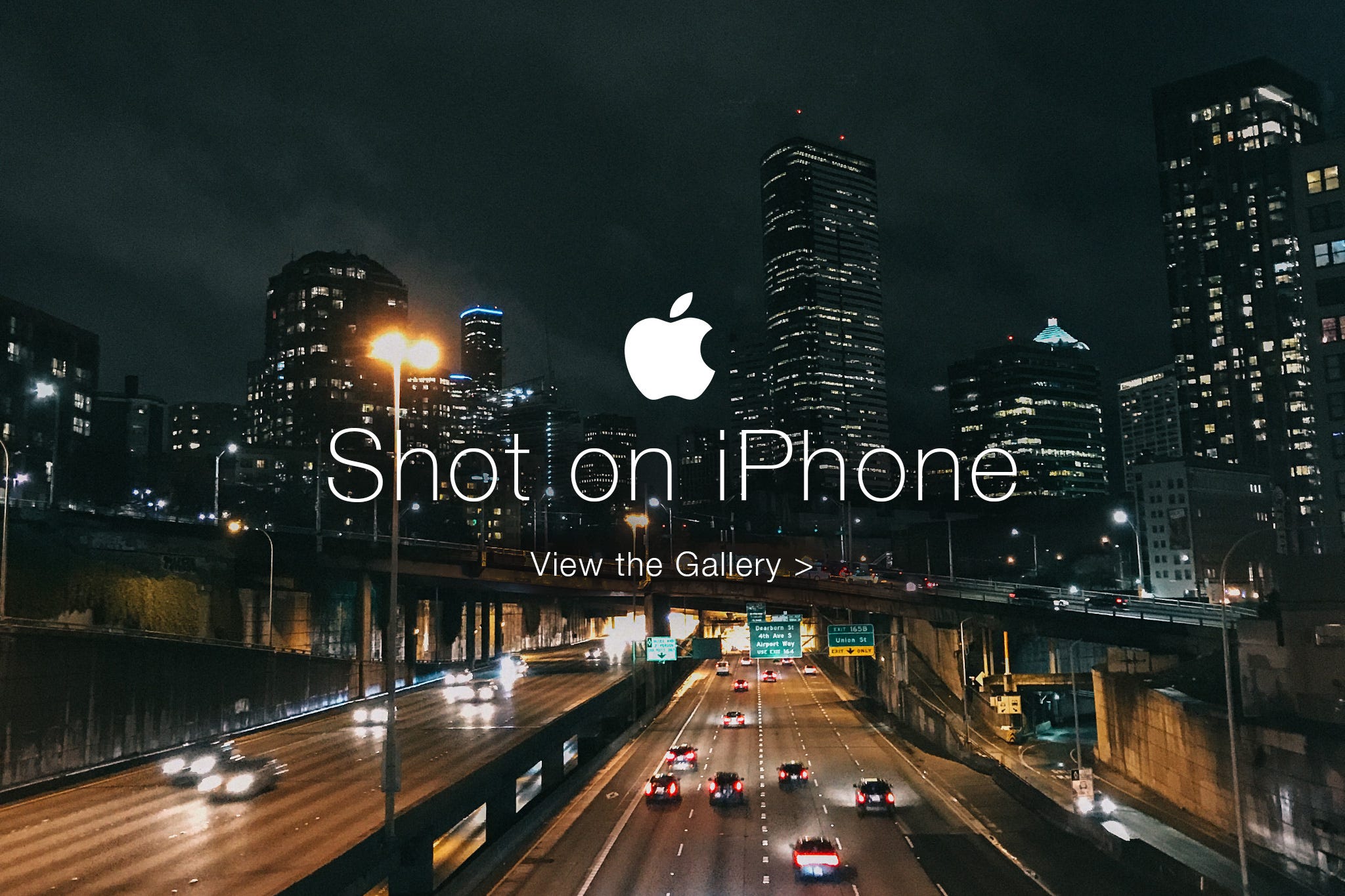
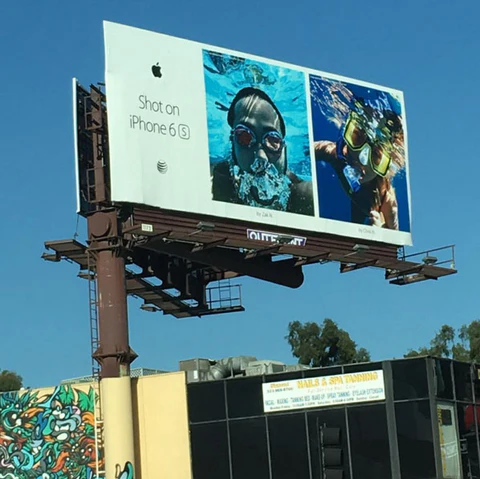
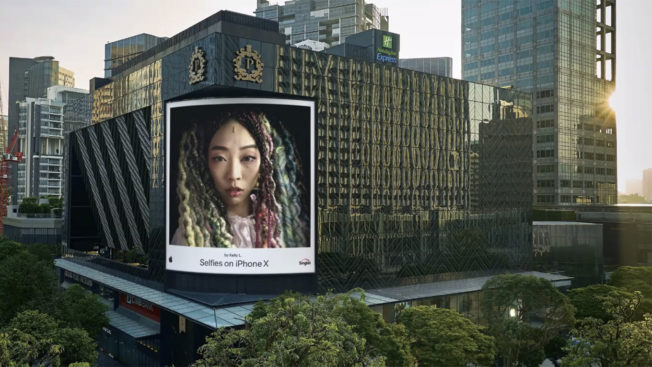
In early March 2015, Apple started putting photographs on billboards that it had not taken. They came from people who owned an iPhone 6, carried a credit line with the photographer’s name and device, and carried almost no copy beyond “Shot on iPhone 6.”
The campaign, officially called World Gallery and created with Apple’s long-time agency TBWA\Media Arts Lab, turned a camera spec sheet into a global photo exhibition.
More than eleven years later, “Shot on iPhone” is still running: it won a Grand Prix for Creative Effectiveness at Cannes Lions in June 2025, it has moved from user photos to pop-star concert films, feature-length productions and an entire Apple keynote, and in September 2026 it was tied to the launch of the iPhone 18 Pro.
This case study follows the campaign from its 2015 launch to today and looks at how much of the original user-generated idea survives in the professionally produced work Apple now ships under the same name.
| Quick Answer: What Is “Shot on iPhone”?
• Launched in early March 2015 by Apple and TBWA\Media Arts Lab as “World Gallery,” showing iPhone 6 users’ photos on billboards and in print with a photographer credit. • Won the Outdoor Lions Grand Prix at Cannes in June 2015 and a Creative Effectiveness Grand Prix at Cannes in June 2025. • Evolved from user photos to Night mode challenges, the Scary Fast keynote (2023), celebrity films and feature productions. • Still active in 2026, including work shot on iPhone 17 Pro and the September 2026 launch of the iPhone 18 Pro. |
Background: A Camera Problem Specifications Could Not Solve
By 2015 the smartphone camera had become one of the main reasons people chose a phone, and phone makers competed mostly with specification claims: megapixels, apertures, sensor sizes.
Apple’s challenge was that numbers were a weak way to show what its camera did well, and the iPhone 6 and 6 Plus, released in September 2014, needed a way to demonstrate camera quality that did not depend on a spec comparison.
Apple’s answer, developed with TBWA\Media Arts Lab, was to skip the specifications and show results.
The campaign debuted in early March 2015 and presented photos and videos taken by iPhone 6 users from around the world on billboards, in print and online.
The idea was simple enough to describe in a sentence: the best proof that the camera works is a stranger’s photograph, displayed at a size and in a place that only a major brand could afford.
The Creative Idea: Let a Stranger’s Photograph Do the Selling
The creative approach was deliberately restrained.
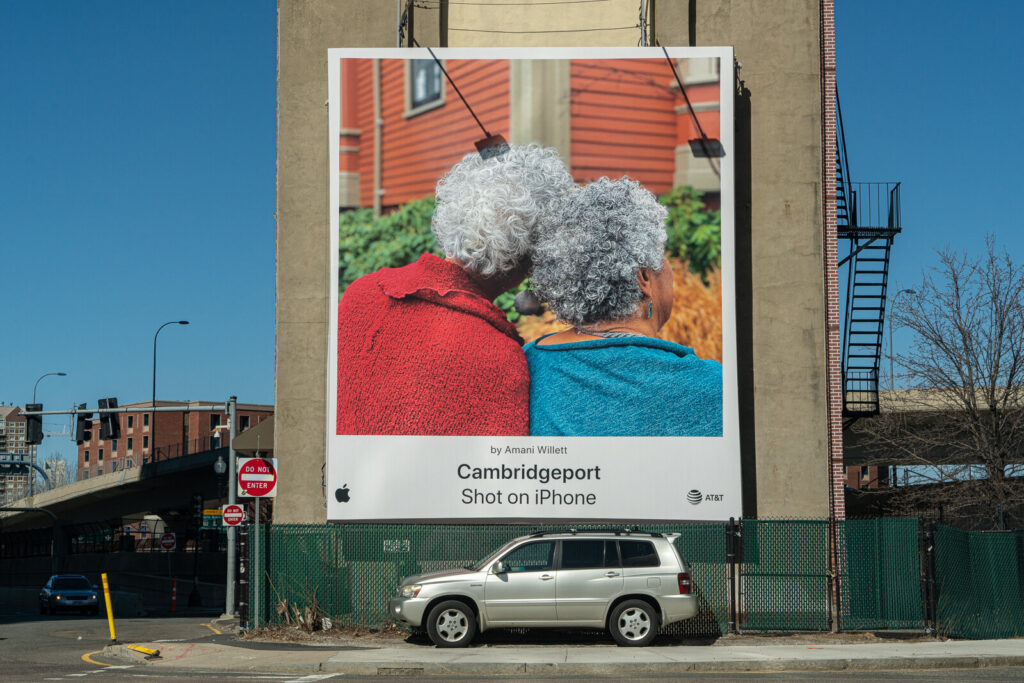
Each billboard or print ad showed one image filling the frame, with a small credit identifying the photographer, the place and the device, and the line “Shot on iPhone 6.”
There was no pitch copy and no feature list. That restraint did two jobs.
It made the pictures the hero, and it signaled confidence: Apple was telling viewers that it did not need to explain the camera because the evidence was in front of them.
The photographers were credited by name, which gave participants a form of status that went beyond a prize.
In June 2015 Apple expanded the idea into short user-made films promoting the iPhone 6’s video features, and in 2016 the platform moved into television with the spot “Onions,” which follows a girl whose phone video brings her sudden attention, while a separate 2016 film followed Paralympic athlete Ade Adepitan around Rio de Janeiro ahead of the Olympics.
Published counts of how many cities and countries the first billboards reached vary between sources, so this report does not rely on a single figure.
Cannes 2015: The Industry Calls It a Game Changer
Industry recognition came quickly.
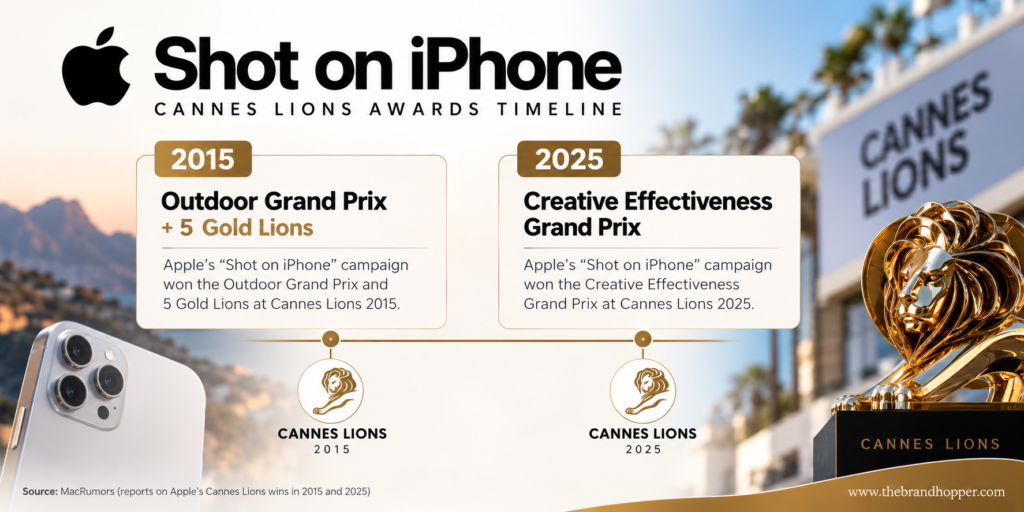
On June 23, 2015, the campaign won the Outdoor Lions Grand Prix at the Cannes Lions International Festival of Creativity, one of the most prestigious awards in advertising, and it also won five Gold Lions for individual posters.
Jury president Juan Carlos Ortiz of DDB Americas said the work was “a game changer,” adding that it was opening a new way of doing things and changing behavior.
That award, rather than any single sales statistic, is the most reliable early marker of how the industry read the campaign: as a new model in which a brand borrows its customers’ work instead of commissioning its own.
Apple and TBWA\Media Arts Lab had also won the Press Grand Prix at Cannes two years earlier, in 2013, for an iPad mini magazine campaign, so the 2015 win cemented a creative partnership rather than introducing one.
What the Campaign Did for Sales: Separating Evidence From Claims
A fair case study has to be careful about sales claims. Several write-ups say the campaign produced record iPhone sales in late 2015, but those results coincided with the launch of the iPhone 6s and 6s Plus in September 2015 and cannot be isolated to one ad platform. We found no sales figure published by Apple and attributed to “Shot on iPhone.”
The better evidence is indirect: the platform survived eleven years of annual iPhone cycles, kept its agency, and in June 2025 won a Cannes Lions Grand Prix in the Creative Effectiveness category, an award judged on measurable business impact.
The 2025 jury commentary praised the campaign’s ability to turn everyday moments into art and called it a masterclass in elevating user-generated content into a long-term platform.
Why the Template Works: Three Design Choices
Looking across eleven years, three design choices explain why the template has lasted.
First, the message is verifiable: a photograph either looks good or it does not, and the credit line lets a viewer connect the image to a real person and a real device.
Second, the format is modular. One image, one credit and one short line can be applied to a billboard, a magazine page, a social post or a retail wall, which kept production simple and let Apple localize the campaign by selecting photographers from different places.
Third, the campaign is tied to the product’s own progress.
Each new camera feature, from video to Night mode to zoom, supplies a fresh reason to commission or select new work, so the platform renews itself without changing its core promise.
These choices also explain the campaign’s weak point: when the content stops being modest and verifiable, the first advantage weakens.
How the Platform Evolved: Challenges, Keynotes and Films
Over the years the platform kept its name but changed its methods.
In March 2020 Apple announced the winners of a Night mode photo challenge, in which six photographers were chosen from entries shot on the iPhone 11, 11 Pro and 11 Pro Max, with winners based in cities including Moscow, Mumbai, Pamplona and Beijing; the judging panel included outside photographers such as Malin Fezehai and Tyler Mitchell alongside Apple executives including Phil Schiller.
The winning images ran on apple.com, on Instagram and on billboards.
The challenge format showed that the user-submission mechanic could be repeated around a specific feature.
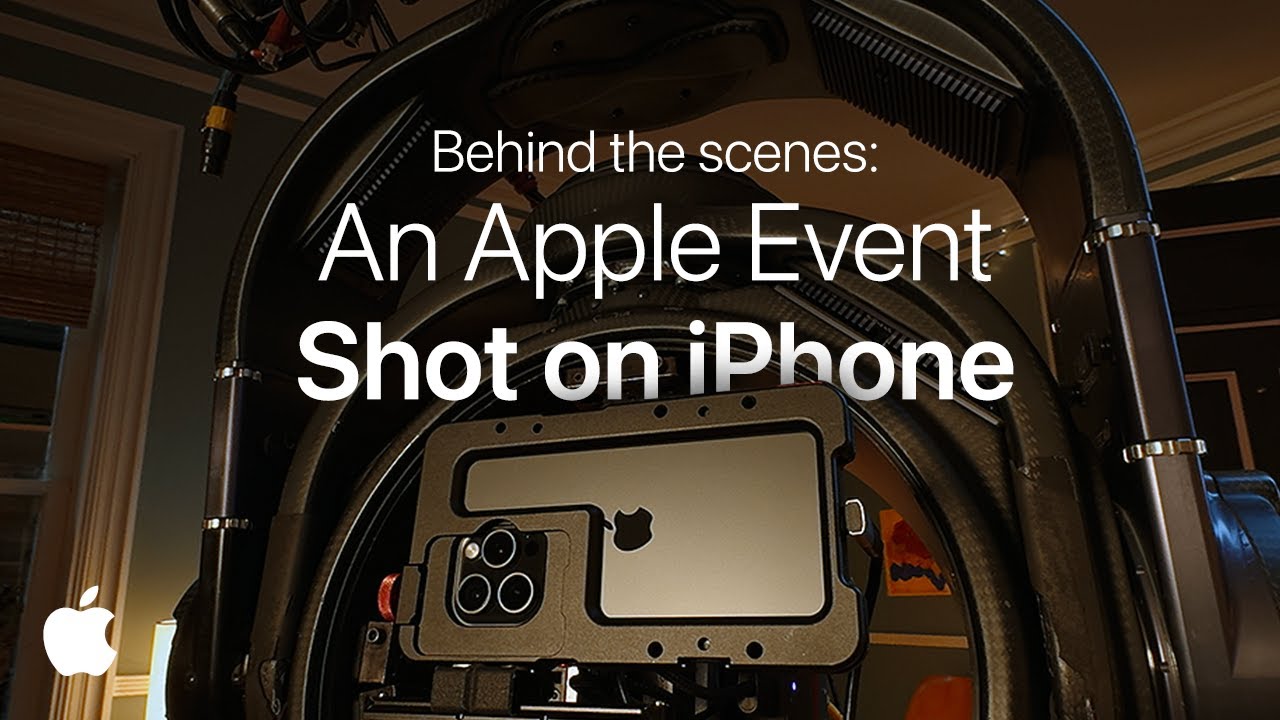
In October 2023 Apple took the label in a different direction with “Scary Fast,” a keynote event for its M3 Macs that was shot on iPhone 15 Pro Max and edited on Mac. Apple’s own behind-the-scenes account credited documentary filmmaker Brian Oakes and described using several iPhone units together with the Blackmagic Camera app and professional accessories such as camera cages and timecode devices.
Some press coverage noted that the production also used expensive professional equipment alongside the iPhone, a detail worth keeping in mind when interpreting the phrase “shot on iPhone.”
The 2025 Chapter: Ten Years, Dua Lipa and a Second Grand Prix
By 2025 the campaign’s center of gravity had shifted from user submissions to commissioned productions with celebrities.
In September 2025 Apple and TBWA\Media Arts Lab released a Dua Lipa film shot at two of her Radical Optimism Tour shows in Chicago on the iPhone 17 Pro and the iPhone Air; trade coverage described it as the first Shot on iPhone campaign to feature two devices at once and said it highlighted the 8x telephoto zoom and Dual Capture, which records with the front and rear cameras at the same time.
Around the same time, press reports said that the horror sequel 28 Years Later, directed by Danny Boyle, was shot mainly on iPhone 15 Pro Max devices with cinema lenses and rigs, a stretch case for the “Shot on iPhone” idea rather than a pure one. These examples show the platform expanding from proof of photo quality to proof of professional capability.
Shot on iPhone in 2026: Films, Formula 1, Space and the iPhone 18 Pro
The campaign continued at pace in 2026.
In January, Apple released its Chinese New Year short film “Glad I Met You,” directed by Bai Xue, which combined live action and stop-motion and was shot on the iPhone 17 Pro.
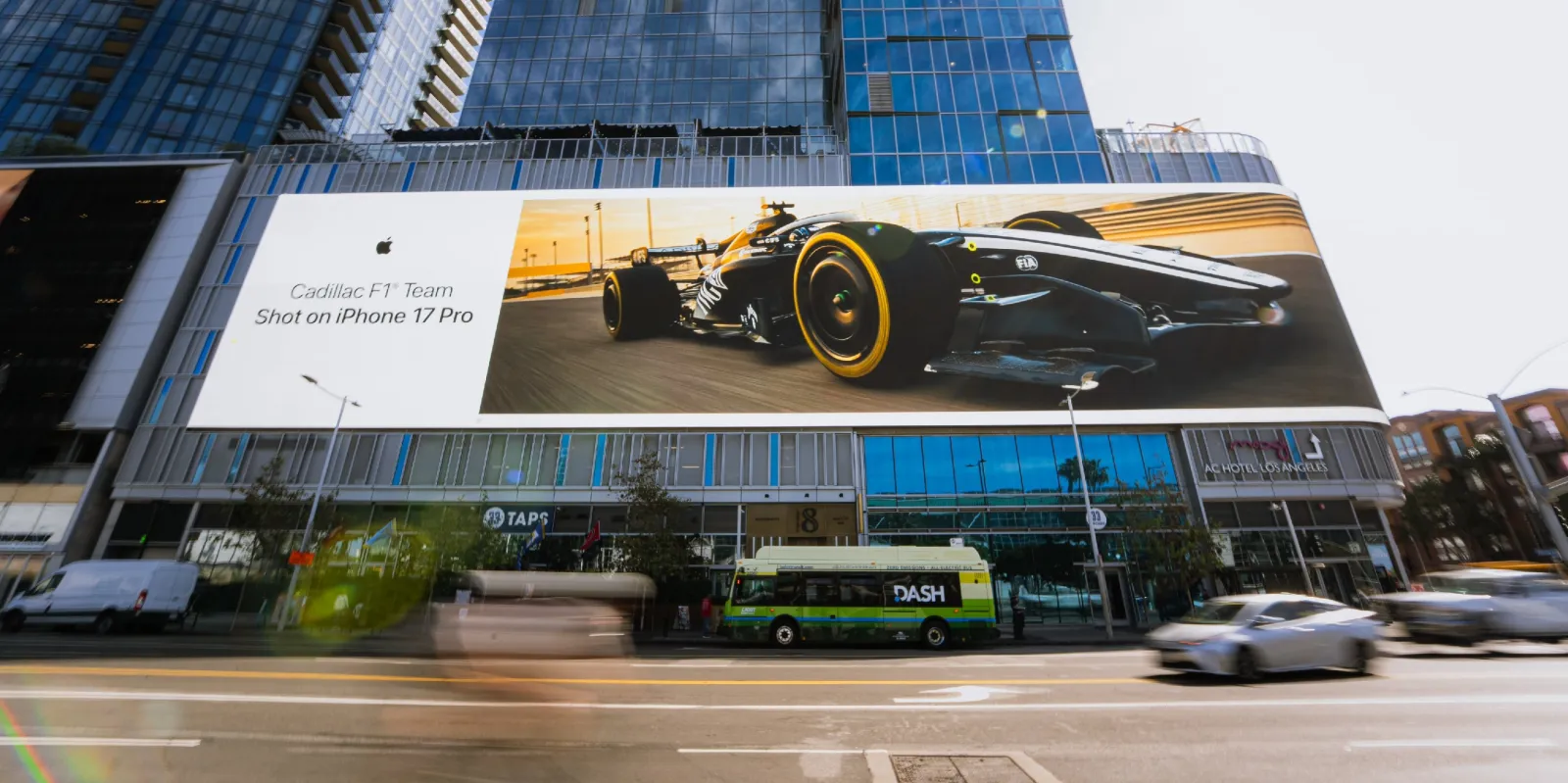
In February, Apple promoted its Formula 1 coverage with Shot on iPhone work involving several teams, including Cadillac, whose testing photos were taken on iPhone 17 Pro, and Red Bull. A campaign with the Australian cricket team was shot by photographer Jacob Sutton on iPhone 17 Pro, and press coverage focused on the 8x zoom and 4K at 120 frames per second.
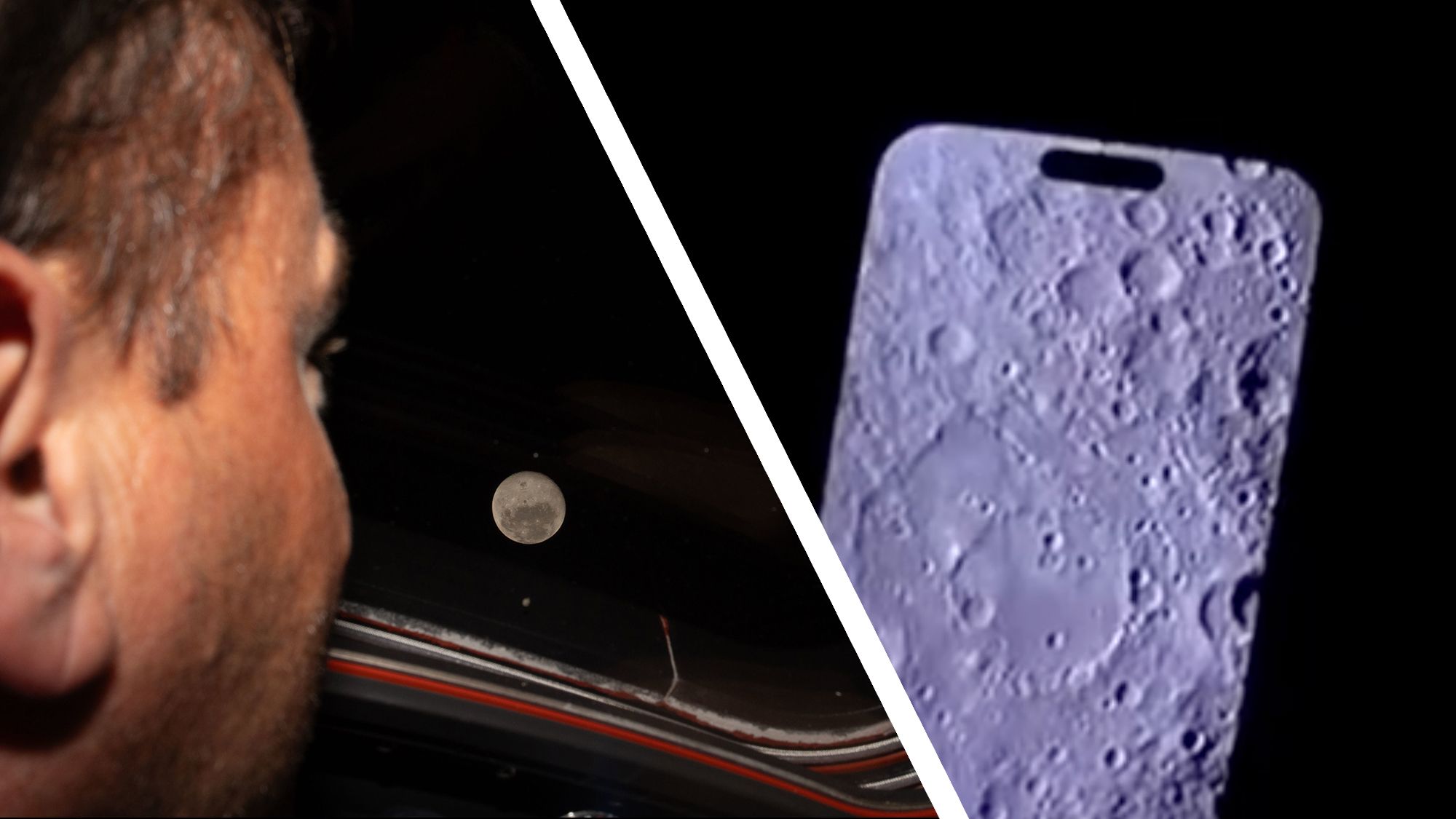
In April, astronauts on NASA’s Artemis II mission photographed Earth from the Orion spacecraft using iPhone 17 Pro Max units; media called it a possible Shot on iPhone moment, although coverage indicates Apple was not formally involved in sending the phones.
In July, Apple promoted “Nido de Villanas,” a Mexican microdrama shot entirely on the iPhone 17 Pro and released as 14 YouTube Shorts.
Then, on September 9, 2026, Apple announced the iPhone 18 Pro and iPhone 18 Pro Max, with availability beginning September 18; Apple’s headline feature was a variable-aperture camera system with manual controls for shutter speed, white balance and aperture.
Coverage of the launch event reported that its opening scenes were shot on an iPhone, and a music video for ROSE was described in trade coverage as shot entirely on the iPhone 18 Pro.
In October 2026 Apple also launched its first foldable iPhone, the iPhone Duo, which extends the product line the campaign must now cover.
The Critics’ Case: How Much Is Still User-Generated?
The main criticism of “Shot on iPhone” is about honesty of framing.
In 2015 the label meant that an ordinary user had taken the image with a standard iPhone, and the credit line made that checkable.
Today many of the most visible examples involve film crews, rigs, lighting, color grading and teams of professionals, and press coverage of Scary Fast and other productions pointed out that expensive equipment was used alongside the phone.
Apple’s usual response is that the iPhone is the capture device and that professionals choosing it is itself a statement.
Both views can be true, but the shift changes what the campaign proves: it no longer shows what an average person can do, it shows what the camera sensor can contribute to professional output.
A second point is that the campaign has had to keep escalating its spectacle, from billboards to concerts, keynotes and even space imagery, to stay newsworthy.
Lessons for Marketers
Show the output, not the specification: the original campaign let photographs make the argument that numbers could not.
Credit participants: naming each photographer turned a billboard into a status reward and made user participation worth chasing.
Design a platform, not a promotion: a simple template (image, credit, device) could be reused for every iPhone generation, which is why the campaign is still running after eleven years.
Evolve the format as the product evolves: Apple moved from photos to video, challenges, keynotes, films and live events as the camera moved from stills to cinema.
Protect the claim: as production scale grows, the label “shot on” needs honest disclosure of how much professional help was involved, or the idea loses its original credibility.
Measure effectiveness, not just reach: the 2025 Creative Effectiveness Grand Prix suggests that long-term brand platforms can be justified on business impact, even when single-campaign sales attribution is impossible.
Frequently Asked Questions
Q: When did Apple’s “Shot on iPhone” campaign start?
A: It launched in early March 2015, with photos and video taken by iPhone 6 users shown on billboards, in print and online. It was developed by Apple’s agency TBWA\Media Arts Lab and officially called World Gallery.
Q: Was the campaign launched with the iPhone 6s?
A: No. The first work in March 2015 promoted the iPhone 6, which was released in September 2014. The iPhone 6s was released in September 2015, and the campaign then continued with later iPhones.
Q: What awards has “Shot on iPhone” won?
A: It won the Outdoor Lions Grand Prix and five Gold Lions at Cannes Lions in June 2015, and a Grand Prix for Creative Effectiveness at Cannes Lions in June 2025, according to MacRumors reports of both awards.
Q: Is “Shot on iPhone” still running in 2026?
A: Yes. In 2026 Apple released a Chinese New Year film shot on the iPhone 17 Pro, promoted Formula 1 and cricket work shot on iPhone, released a Mexican microdrama shot on iPhone 17 Pro, and announced the iPhone 18 Pro on September 9, 2026.
Q: Does “Shot on iPhone” mean the content was made without professional equipment?
A: Not always. The phrase means the iPhone was the capture device, but many productions, including Apple’s Scary Fast event in October 2023, also used professional crews and accessories such as camera cages, timecode devices and lighting.
Q: Who has Apple featured in recent “Shot on iPhone” campaigns?
A: Recent examples include Dua Lipa in September 2025 (filmed on iPhone 17 Pro and iPhone Air), director Bai Xue’s q; Chinese New Year film in January 2026, and the cricket and Formula 1 work in early 2026.
Q: What was the Night mode challenge?
A: It was a photo contest in which Apple named six winners in March 2020 for Night mode photos taken on the iPhone 11, 11 Pro and 11 Pro Max.
Conclusion
“Shot on iPhone” began as a billboard idea about letting strangers’ photographs prove a camera’s quality and has become one of the longest-running campaigns in consumer technology, recognized at Cannes in both 2015 and 2025. Its durability comes from the simplicity of the template and Apple’s willingness to change the content inside it.
The question for 2026 and beyond is whether the phrase can keep carrying the weight of its original promise as productions become larger and more professional.
If Apple keeps showing both kinds of work, ordinary photographers and professional crews, and is clear about which is which, the platform can stay credible. If it does not, the campaign risks becoming just another label on high-budget advertising, which is the opposite of the idea it started with.
Also Read: Case Study : Apple’s “Creativity Goes On” Brand Campaign
To read more content like this, subscribe to our newsletter