Last Updated on June 22, 2026 by Team TBH
The verdict, up front: While most sponsors tried to convince Americans to care about football, Lay’s did something far smarter — it gave them permission not to, and turned the insult “bandwagon fan” into a national invitation. It’s the single sharpest piece of cultural strategy at the 2026 tournament, weighed down only slightly by a celebrity roster that occasionally crowds the idea. Our score: 8/10.
The setup: a World Cup for a country that doesn’t really watch football
Every brand activating around the 2026 World Cup faced the same awkward, unspoken fact, and most of them tried to ignore it. The tournament is being co-hosted by the United States — a country where football (soccer) remains, for all its growth, a casual and secondary sport for the mainstream. The average American tuning in this summer is not a lifelong supporter with a club crest tattooed on their forearm. They are, by any honest definition, a bandwagon fan: someone who shows up for the big moment, picks a team for vibes, and drops it the moment they’re knocked out.
Most advertisers responded to this reality in one of two cowardly ways. Some pretended it wasn’t true, producing reverent films about “the beautiful game” and “passion” that assumed a depth of fandom the US audience simply doesn’t have. Others tried to convert — to lecture casual viewers into becoming “real” supporters, which is both condescending and doomed. Lay’s did neither. It looked the awkward truth dead in the eye and built its entire campaign on it.
That is what makes “Jump On the Bandwagon” the most strategically intelligent campaign of the tournament, and it’s worth understanding exactly why.
The campaign: turning an insult into a welcome mat
“Bandwagon fan” is an insult. It’s what die-hards sneer at the people who only show up when the team is winning. Lay’s, an official sponsor of the 2026 tournament, took that loaded, slightly shameful term and flipped it into a positive — a nationwide invitation to join the fun with no prior commitment required.
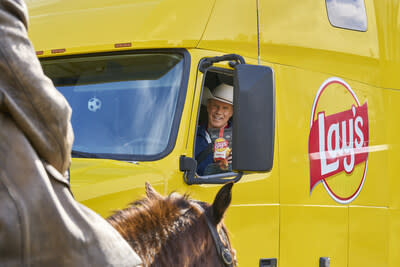
The hero spot makes the strategy literal. Will Ferrell drives a Lay’s-branded “Bandwagon” — a bus — around the country, picking up casual fans and celebrities and encouraging everyone he meets to hop aboard, grab a bag of Lay’s, and enjoy the tournament together. David Beckham and Marshawn Lynch appear to widen the campaign’s reach across both the sports and entertainment worlds; Ferrell bestows a “lei of Lay’s” on Lynch in one gag. The campaign’s defining visual comes when the team the bandwagon is rooting for loses, and everyone simply rips off their jerseys to reveal a new set of matching jerseys for a different team underneath. It’s the perfect image for guilt-free, allegiance-switching, no-strings fandom — the exact behaviour Lay’s is giving Americans permission to enjoy.
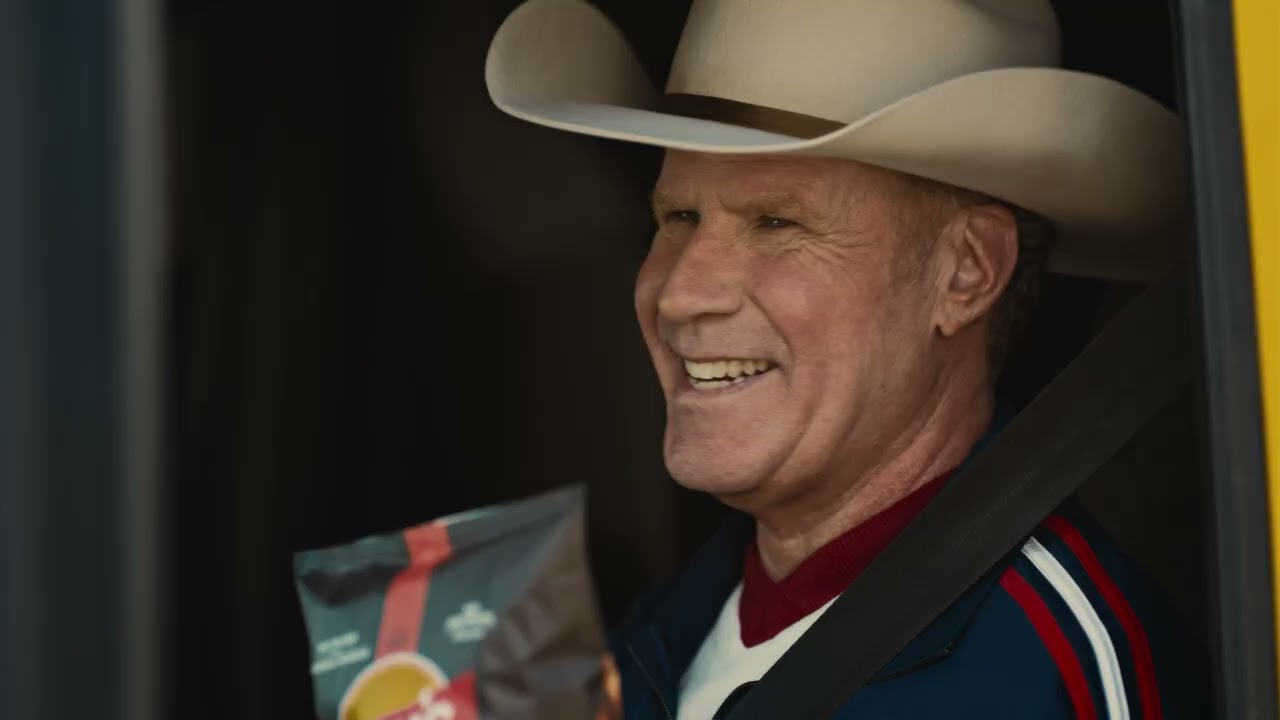
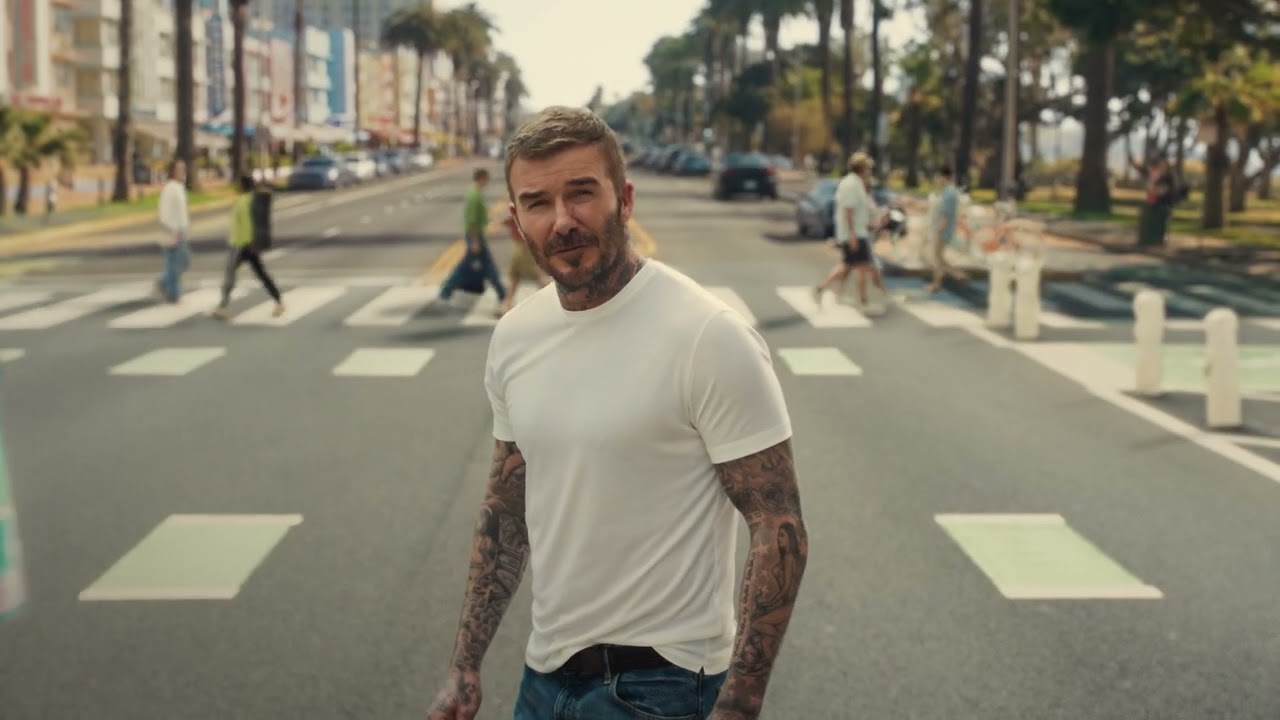
The campaign extends beyond the screen: an actual Bandwagon vehicle tours Los Angeles, New York City, and Dallas over the summer, hosting experiential activations with celebrity appearances and product sampling.
What works: the strategy is the star
1. The core insight is precise, true, and ownable. This is the heart of it. “Bandwagon fan, reframed as a welcome mat” is exactly the right posture for a market full of casual viewers, and — crucially — no other sponsor is occupying that territory. Coca-Cola is selling emotion, Visa is selling frictionless payment, Nike is selling fearless attitude. Lay’s alone is speaking directly to the actual psychological state of the American viewer: mild, guilt-tinged, low-commitment interest. By naming that state and blessing it, Lay’s makes itself the brand of the casual fan — a huge, underserved majority. Ownable territory built on a true insight is the rarest and most valuable thing in marketing, and Lay’s found it.
2. The jersey-swap gag is a genuinely great piece of craft. Strategy is only as good as the idea that expresses it, and the rip-off-the-jersey reveal is a small stroke of brilliance. It dramatises the entire proposition in one wordless, instantly legible, endlessly shareable visual. It’s funny, it’s true to how bandwagon fans actually behave, and it gives the campaign a memorable signature beat. Great campaigns have a single image you remember; this is Lay’s.
3. The brand fit is natural, not forced. Lay’s is the quintessential social, shareable, everyone’s-invited snack. It is not a premium product with pretensions; it’s a bag you open and pass around the room. That makes “everyone’s welcome on the bandwagon” a perfect ladder from product truth to campaign idea. The snack you share is the snack of the casual group-watch — the fit is so clean it feels inevitable in hindsight, which is the signature of strong positioning.
Where it’s exposed: the cracks worth naming
1. The celebrity stack risks crowding the idea. Will Ferrell is a reliable comedy engine and a sensible anchor. But adding Marshawn Lynch and David Beckham starts to pile famous faces on top of an idea that was strong enough to stand on its own. When three stars compete for screen time and laughs, the brand can quietly become the backdrop to a celebrity showcase — the same risk Visa runs with Sudeikis, except multiplied. The danger is that audiences remember “the Will Ferrell bus ad with Beckham” rather than the bandwagon idea that makes Lay’s distinctive. The strategy is strong enough that it deserved more confidence and less star insurance.
2. It’s a fundamentally domestic play with a hard ceiling. “Bandwagon fan” is a US-specific cultural frame. In football-serious markets — most of Europe, South America, Africa, much of Asia — the concept either doesn’t translate or reads as faintly insulting, because in those places casual fandom isn’t a charming in-joke; football is serious business. That means this campaign, for all its brilliance, is a domestic American activation, not a global one. That’s a perfectly legitimate choice for the host market, but it caps the idea’s reach, and a brand as global as Lay’s (sold worldwide, often under local names like Walkers) is leaving the international opportunity to other parts of its marketing.
3. Self-aware humour can curdle into smugness if overplayed. The “we’re in on the joke” tone is delightful in a 60-second film. Stretched across an entire summer of activations, social content, and influencer partnerships, there’s a risk it starts to feel like the brand is congratulating itself on its own cleverness. Self-aware marketing has a short half-life; the line between “knowing and fun” and “smug and tired” is thinner than it looks, and sustaining the former for three months is genuinely hard.
The annotated scorecard
| Dimension | Score | Why |
| Strategic insight | 9/10 | “Bandwagon as invitation” is the sharpest read of the US audience |
| Cultural fit (US) | 9/10 | Perfectly calibrated to the casual American viewer |
| Humor / shareability | 8/10 | The jersey-swap gag is a memorable, recreatable signature |
| Brand integration | 7/10 | Strong product fit, but the celebrity stack dilutes focus |
| Global travel | 5/10 | The “bandwagon” frame is US-specific and won’t export |
| Overall | 8/10 | A brilliant, ownable insight, slightly over-celebritied |
What your brand should steal from this
Find the thing your category is embarrassed about and make it the welcome mat. This is the headline lesson and it’s enormously powerful. Every category has a customer behaviour it quietly looks down on — the casual user, the discount-only buyer, the lapsed returner. Most brands ignore or scold those people. The opportunity is to bless them. Reframing a perceived weakness as an open invitation is one of the highest-leverage moves in all of positioning, because it claims a huge underserved audience that everyone else is implicitly rejecting.
Express your strategy in one wordless image. The jersey swap proves that the best campaign ideas can be understood with the sound off. Before you write a script, ask: what is the single visual that contains my whole strategy? If you can find it, you have something shareable, memorable, and language-independent. If you can’t, your idea may not be sharp enough yet.
Match your tone to a real product truth. “Everyone’s welcome” works for Lay’s because Lay’s is genuinely a share-the-bag, no-pretension product. The lesson is to root your campaign attitude in something true about what you sell, not in a borrowed tone. Authenticity isn’t a vibe; it’s alignment between message and product reality.
Know when you’re playing a home game. Lay’s made a deliberate, intelligent choice to win the US market rather than dilute the idea trying to make it global. The lesson is strategic honesty about scope: a campaign that wins one market decisively often beats a watered-down idea that travels everywhere and lands nowhere.
The bottom line
“Jump On the Bandwagon” is the campaign other 2026 World Cup sponsors should be studying, because it did the hardest thing in marketing: it told the truth about its audience and turned that truth into an advantage. Where rivals flattered the American viewer with borrowed European reverence, Lay’s met them exactly where they are — casual, a little sheepish, here for the vibes — and made that a place worth being. The celebrity pile-on is an unforced error, and the idea won’t leave US borders, but the central insight is so sharp and so ownable that it carries the whole thing. This is what cultural intelligence looks like in practice.
Final verdict: 8/10 — the smartest read of the room at the entire tournament.
FAQ
What is Lay’s “Jump On the Bandwagon” campaign? It’s Lay’s official FIFA World Cup 2026 sponsorship campaign, starring Will Ferrell, that reframes the “bandwagon fan” from an insult into a positive — inviting casual American viewers to enjoy the tournament with a bag of Lay’s, no prior fandom required.
Who appears in the Lay’s World Cup ad? Will Ferrell anchors the campaign, with cameo appearances from NFL star Marshawn Lynch and football icon David Beckham.
What’s the meaning of the jersey-swap scene? When the bandwagon’s chosen team loses, everyone rips off their jerseys to reveal a new team’s kit underneath — a visual gag dramatising guilt-free, allegiance-switching casual fandom, which is the whole point of the campaign.
Why is the campaign considered strategically smart? Because it accurately diagnoses the US audience as largely casual football viewers and, instead of lecturing them into “real” fandom, gives them permission to enjoy the tournament casually — claiming a huge, underserved audience no other sponsor is speaking to.
Where can people see the Lay’s Bandwagon in person? The physical Bandwagon vehicle tours Los Angeles, New York City, and Dallas over the summer with experiential activations, celebrity appearances, and product sampling.
Also Read: Marketing Behind Lays Success: A Look at the Brand’s Strategies
Subscribe to our newsletter