Last Updated on November 2, 2026 by Team TBH
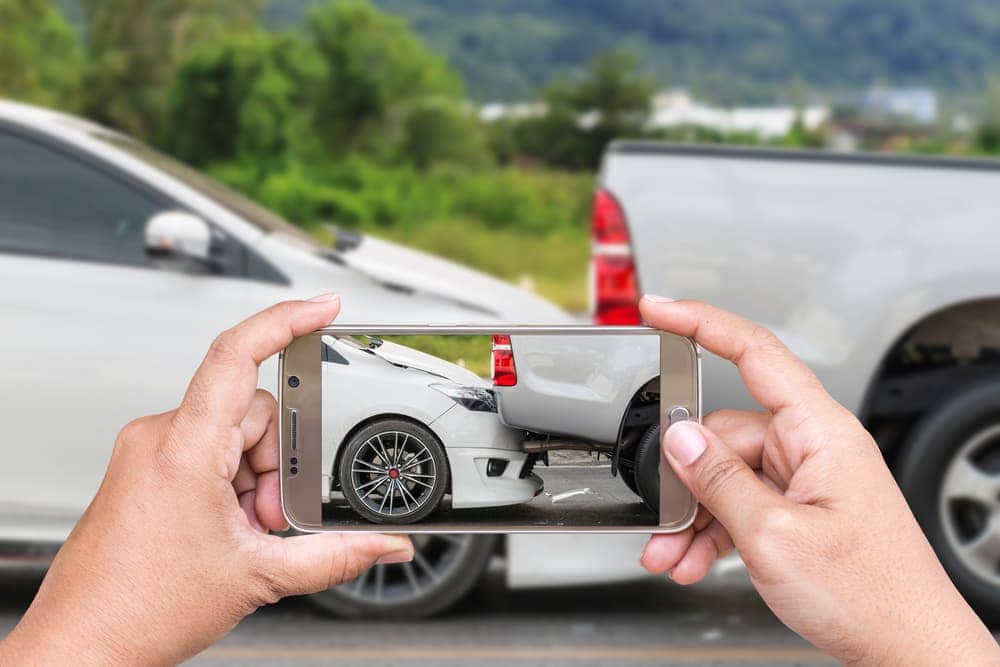
Ideally, everyone gets from location to location safely and on time for a brand shoot. But what if your marketing team gets rear-ended while driving from a product demonstration at the Las Vegas Convention Center to an interview at a nearby hotel? One team member is injured and may not be able to continue. What’s your next move?
A game plan can help you decide whether to continue as scheduled, cut your list of must-haves, or reschedule the rest of the shoot. It can also help you designate who will keep your client in the loop and handle logistics separately from any car accident claims process.
How To Decide Whether to Continue the Shoot
Assess who’s available to work. If someone was hurt in a car wreck, check in on their needs and don’t rush them back into responsibilities. Then consider what you can accomplish with the crew and resources that you do have. Press on only if you can still operate safely and meet your client’s expectations for quality. If not, it may be better to scale back or postpone the rest of the day’s work.
- Consider pressing on if the injured person is getting the help they need, the remaining team can work safely, and you can still get the must-have shots.
- Consider scaling back if you can still shoot some of the top-priority content, but don’t have the people or time to check every box on the list.
- Consider rescheduling if you’re missing a key team member, piece of equipment, or mode of transportation, or if it’s simply not feasible to accomplish your client’s top-priority content goals.
It may be easier to make these calls if you have a plan for filling in for anyone who can’t continue with their usual duties.
How To Choose Who Can Fill Essential Production Tasks
Before you head out on a shoot, consider which team members handle the camera, set up lighting, position products, get final sign-off on creative content, upload files, and/or communicate with clients. Jot down ideas for who could chip in with those responsibilities (even in a limited way) if needed.
Also make sure important information, such as the shot list, call sheet, contact info, and any pre-approved content or graphics, is easily accessible to your whole team and not locked on one person’s phone or laptop. With coverage in place, you can plan your next move more realistically.
How To Plan Las Vegas Transport Between Locations
If your production schedule calls for transportation on the Las Vegas Convention Center campus, the automated people mover known as the Vegas Loop may be helpful. Keep in mind, though, that it only runs on the convention center campus and shouldn’t be counted on for travel between hotels, the convention center, or other production locations.
If feasible, before you start a Las Vegas brand shoot, it can help to have at least a general idea of:
- How your production team will get from one production location to the next
- Who will be responsible for arranging alternative transportation if needed
- How equipment will be transported
- Who will be in charge of equipment transportation
- Whether any elements of the shoot at future locations could be rearranged or postponed if necessary
This information can make it easier to adapt your production schedule if transportation plans fall apart. Understanding Nevada’s following-distance rule can also help explain why a rear-end crash may require more than rescheduling.
What Nevada Requires of Drivers Following Another Vehicle
Under NRS 484B.127, Nevada drivers must maintain a safe following distance from other vehicles. Drivers should always maintain a reasonable and prudent distance from the vehicle in front of them, given factors like speed, traffic patterns, and road conditions.
Keep in mind that although the driver of the trailing vehicle in a rear-end collision is typically at fault, that isn’t always the case. After addressing immediate needs, drivers may also have duties to share information and provide assistance.
What Information and Assistance Drivers Need to Provide
Under NRS 484E.030, drivers involved in auto accidents that result in injury or death, or that occur on a highway, must provide identifying information and reasonable assistance. If a police officer isn’t at the scene, the law explains when drivers must report an accident to a police station as soon as possible.
After you’ve addressed everyone’s needs at the scene, assign one member of your production team as the point of contact and provide regular status updates to your client. Be as factual as possible and keep your client communication separate from any discussion of who may be at fault for the accident.
How Shared Fault Affects an Injury Claim
Under Nevada’s comparative-negligence laws, a plaintiff’s own level of negligence can reduce the compensation they are entitled to after an auto accident. Under NRS 41.141, plaintiffs who are more negligent than the defendant(s) they’re seeking compensation from aren’t entitled to any compensation at all.
This is one reason rear-end collisions shouldn’t automatically mean the trailing driver was at fault. If fault remains unclear after an auto accident, or if someone is seeking compensation for injuries sustained in an accident, speaking with a Las Vegas rear-end accident lawyer might help.
How To Separate Production Recovery From the Injury Claim
After an auto accident, your client will want to know how the brand shoot will proceed, who’s picking up whose slack, and when they can expect an updated production schedule. That’s information best handled by your production lead or another designated team member. On the other hand, questions about seeking compensation for accident injuries aren’t matters clients or production team members should be pressing answers to.
If someone on your Las Vegas production team is injured in a rear-end collision, the situation can affect far more than your ability to get your production back on schedule. Let your production lead focus on salvageable aspects of the brand shoot and allow injured parties to seek legal advice on their own time.
The Bottom Line
Contingency transportation plans between the Las Vegas Convention Center and other production locations can help, but injuries sustained in an auto accident can create logistical challenges you can’t plan for. Appoint backup team members, keep important information readily accessible, and let your production lead handle client communication when circumstances change unexpectedly.
This blog post is for informational purposes only and doesn’t constitute legal advice. Applicable laws can vary based on many factors, including the details of a given auto accident.
To read more content like this, explore The Brand Hopper
Subscribe to our newsletter