Last Updated on August 24, 2026 by Team TBH
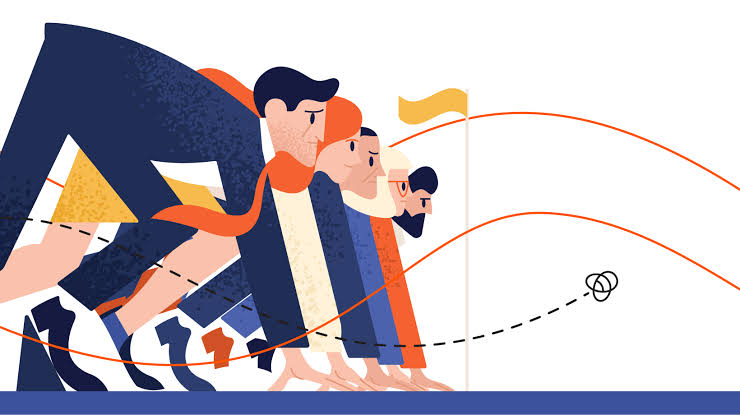
Picture two marketing teams chasing the same revenue target. One has built a system where a lead who downloads a whitepaper gets a tailored email sequence within minutes, a sales rep gets notified the moment that lead visits the pricing page a second time, and a cart abandoner gets a personalized nudge before the discount code even expires — all without a single person manually sending anything.
The other team is still doing this by hand: exporting spreadsheets, copy-pasting into email blasts, and watching leads go cold because nobody followed up before the competitor did. Both teams have the same headcount. Only one of them is actually scaling.
That gap didn’t exist a generation ago because buyer journeys used to be shorter and more predictable. Today they’re fragmented across a dozen touchpoints — a social ad, an organic search, a comparison page, a demo request, weeks of silence, then a return visit right before purchase — and manually tracking, scoring, and responding to that path at any real volume is simply not something a human team can do in real time.
The discipline that solves this is marketing automation: software that replaces batch-and-blast email campaigns with behavior-triggered messaging, so a prospect’s own actions determine what they see next, not a marketer’s static calendar. The payoff is measurable and substantial — marketing automation drives a 14.5% increase in sales productivity and a 12.2% reduction in marketing overhead, according to Salesforce.
What Makes a Great Marketing Automation Platform?
Workflow and trigger sophistication is the core of any automation platform — the ability to branch a journey based on real behavior (opened but didn’t click, visited a page three times, abandoned a cart) rather than just sending the same sequence to everyone determines whether “automation” means genuine personalization or just faster spam.
CRM and sales integration decides whether marketing and sales are actually working from the same data or operating in separate silos; a platform that pushes lead scores and behavioral signals directly into a rep’s pipeline turns marketing automation into a revenue engine rather than an email tool that happens to sit next to sales.
Multi-channel reach — email, SMS, social retargeting, paid ads, and increasingly WhatsApp — matters because a buyer’s attention isn’t confined to an inbox, and a platform limited to email alone is fighting for a shrinking share of a prospect’s actual attention.
Lead scoring and segmentation is what separates a mature program from a beginner one: assigning value to specific behaviors and demographic fits lets a team focus sales effort on the leads most likely to close, instead of treating every contact as equally sales-ready.
Reporting and attribution determine whether a marketing team can actually prove what’s working — real attribution ties a closed deal back to the campaigns and touchpoints that influenced it, which is the difference between a marketing team defending its budget with vibes versus with numbers.
Ease of use versus power for technical teams is a genuine tradeoff, not a solved problem — the platforms with the deepest customization capability tend to require dedicated administrators, while the friendliest drag-and-drop builders often hit a ceiling the moment a workflow gets genuinely complex.
Best Marketing Automation Platforms
1. HubSpot
HubSpot began as an inbound marketing blog-and-SEO tool and has grown into one of the most widely adopted marketing, sales, and service platforms on the market, built around a single shared CRM that every other tool plugs into.
Its core mechanic is the workflow builder inside Marketing Hub, which lets a team design branching, trigger-based sequences — welcome series, lead nurturing, internal notifications to sales — using the same contact records that populate the CRM, meaning a workflow can react to sales activity just as easily as marketing activity.
Its standout differentiator is that shared data layer: because Marketing Hub, Sales Hub, and Service Hub all read from one contact record, a marketing automation sequence can trigger off a support ticket or a closed deal without any custom integration work, something competitors built as separate products generally can’t match.
| Plan | Price | Key Features |
| Starter | $7/seat/mo, includes 1,000 marketing contacts | Basic email automation, forms, live chat, ad management |
| Professional | $800/mo + required $3,000 one-time onboarding, 2,000 marketing contacts, 3 seats | Workflow automation, lead scoring, A/B testing |
| Enterprise | $3,600/mo, 10,000 marketing contacts, 5 seats | Advanced reporting, custom objects, predictive lead scoring |
Best for: Growing businesses that want marketing, sales, and service data unified in one system rather than stitched together from separate tools.
2. ActiveCampaign
ActiveCampaign built its reputation on having the most sophisticated visual automation builder available at small-business-friendly pricing, and it remains the platform marketers reach for when they’ve outgrown basic email tools but aren’t ready for enterprise complexity.
Its core mechanic is a canvas-based automation builder supporting conditional branching, multiple simultaneous triggers, and hundreds of pre-built “automation recipes” covering everything from cart abandonment to post-purchase follow-up, all editable without code.
Its standout differentiator is depth-to-price ratio: features like predictive sending, dynamic content, and win-probability scoring that competitors reserve for their most expensive enterprise tiers show up much earlier in ActiveCampaign’s plan structure, alongside a genuinely capable built-in CRM rather than a bolt-on.
Pricing scales by contact count across tiered plans, with the entry tier capping automation complexity and user seats and higher tiers unlocking unlimited automation actions, advanced segmentation, and premium CRM integrations; the platform has moved toward tailored quotes based on contact volume and channel mix rather than a single flat sticker price, so the real number depends heavily on list size and whether SMS or WhatsApp add-ons are layered in.
| Plan | Price | Key Features |
| Starter | From $15/mo (billed annually) at 1,000 contacts | 1 user, 5 actions per automation, standard CRM/ecommerce integrations |
| Plus | Custom quote, based on contact volume | Unlimited automation actions, landing pages, standard segmentation, 1 user |
| Pro | Custom quote, based on contact volume | Advanced segmentation, premium ecommerce integrations, predictive content, 3 users |
| Enterprise | Custom quote | Premium segmentation, unlimited automation, SSO, dedicated account team, 5 users |
ActiveCampaign no longer publishes static starting prices for Plus, Pro, or Enterprise — its pricing page now generates a tailored quote based on contact count, channel selection, and add-ons, so only the Starter tier has a consistently published entry price.
Best for: SMBs and mid-market teams that want enterprise-grade automation logic without enterprise software complexity or headcount.
3. Klaviyo
Klaviyo was built specifically for online retail, and it has become close to the default automation platform for Shopify and other e-commerce-native brands, positioning itself as a full B2C CRM rather than just an email tool.
Its core mechanic centers on deep integration with store data — every automation can branch based on purchase history, browsing behavior, product category affinity, and predicted lifetime value, so a flow reacting to a specific product view looks meaningfully different from a generic “you visited our site” trigger.
Its standout differentiator is unified email-and-SMS orchestration built around the same customer profile, with AI-assisted segmentation and send-time optimization that account for a shopper’s actual purchase patterns rather than generic best practices, plus a genuinely deep reporting layer tying revenue directly back to individual flows and campaigns.
Klaviyo’s pricing scales with the number of contacts or profiles in an account, starting with a capable free tier and rising through paid email and combined email-plus-SMS plans; the cost curve gets steep for large lists, since Klaviyo prices for the full size of a store’s audience rather than only active buyers, which is the tradeoff for its depth of e-commerce-specific data.
| Plan | Price | Key Features |
| Free | $0/mo, up to 250 profiles | 500 email sends/mo, ~$5 of SMS/MMS credits |
| From $20/mo at 500 contacts, scales with list size | Full email automation, segmentation, A/B testing | |
| Email + SMS | From $35/mo at 500 contacts, scales with list size | Adds SMS/MMS sending and messaging credits |
Best for: E-commerce brands, especially on Shopify, that want automation built around purchase behavior rather than generic email engagement.
4. Omnisend
Omnisend targets the same e-commerce audience as Klaviyo but positions itself explicitly as the lower-cost alternative, built to give smaller online stores access to multi-channel automation without the premium price tag.
Its core mechanic is a pre-built automation library — cart abandonment, welcome series, order and shipping confirmations, post-purchase upsells — that can be activated with minimal setup, alongside a visual workflow builder for custom sequences that combine email, SMS, and push notifications in a single flow.
Its standout differentiator is genuinely generous channel bundling at the entry level: SMS and push notifications are treated as native parts of the platform rather than pricey add-ons bolted onto email, and even the free tier includes full access to every core feature rather than a stripped-down preview.
Pricing runs through a free tier with capped monthly sends, a Standard tier that scales by contact count with a send-volume ceiling, and a Pro tier that unlocks unlimited email sends plus bonus SMS credits tied to the subscription price; the jump to Pro is where most growing stores land once list size makes the Standard tier’s sending cap impractical.
| Plan | Price | Key Features |
| Free | $0/mo, 250 contacts | Up to 500 emails/mo, core automation library, forms |
| Standard | From $16/mo at 500 contacts | Email sends capped at 12x contact count/mo |
| Pro | From $59/mo (500–2,500 contacts) | Unlimited email sends, bonus SMS credits equal to monthly bill |
Best for: Small to mid-size e-commerce brands that want Klaviyo-style multi-channel automation at a meaningfully lower cost.
5. Keap

Keap, formerly known as Infusionsoft, was built specifically for small businesses that need marketing automation and a sales CRM combined into a single system rather than assembled from separate tools.
Its core mechanic is lifecycle automation built around a library of proven, pre-built campaigns — lead capture, quote-to-invoice sales sequences, appointment booking, review requests — designed so a small business owner can launch a working automation without building it from a blank canvas.
Its standout differentiator is the built-in commerce layer: checkout forms, invoicing, quotes, and payment processing live inside the same platform as the marketing automation, so a single workflow can move a contact from lead to nurtured prospect to paid, invoiced customer without leaving Keap or integrating a separate payment tool.
Keap sells a single all-inclusive plan rather than feature-gated tiers, priced by contact and user count, and it stands out for requiring a paid implementation package alongside the subscription — the company’s position is that businesses succeed more reliably with guided setup, but that mandatory onboarding cost is a real budget line that competitors with self-serve setup don’t require.
| Plan | Price | Key Features |
| Keap (single plan) | From $299/mo billed annually ($2,988/yr), includes 2 users | Full CRM, marketing automation, invoicing, checkout forms |
| Additional users | $39/mo per user | Extra seats beyond the included 2 |
| Implementation package | Separate one-time fee (required) | Guided setup, data migration, done-for-you automations |
Best for: Small businesses and solo entrepreneurs who want sales pipeline, invoicing, and marketing automation combined in one system with guided setup.
6. Zoho Marketing Automation
Zoho Marketing Automation is part of Zoho’s much larger suite of business software, and it appeals most to teams already using other Zoho products or anyone who wants marketing automation without the price tag of the bigger enterprise names.
Its core mechanic is a visual journey builder supporting branching logic, contact scoring, and lifecycle-stage tracking, combined with website behavior tracking and compliance checks baked in from the start rather than sold as premium add-ons.
Its standout differentiator is how much ships standard even on lower tiers — unlimited email sends across every plan, native SMS and WhatsApp marketing, and a website-visitor allowance that scales automatically with contact count, which is unusually generous compared to competitors that meter email sends or gate multi-channel messaging behind higher tiers.
Pricing scales by contact count across Standard, Professional, and Enterprise tiers, with user seats and advanced features like lead attribution, custom re-entry criteria in journeys, and dedicated IP addresses reserved for the higher tiers; the ceiling is lower than HubSpot or Salesforce, but so is the price, which is the entire point of choosing Zoho.
| Plan | Price | Key Features |
| Standard | From $19/mo at 1,000 contacts (billed annually) | Unlimited emails, 10 users, basic journey builder |
| Professional | From $29/mo at 1,000 contacts (billed annually) | 15 users, advanced segmentation, A/B testing, ecommerce marketing |
| Enterprise | From $59/mo at 1,000 contacts (billed annually) | 25 users, lead attribution, custom roles, webhooks |
Best for: Budget-conscious small and mid-size businesses, especially those already using other Zoho products, that want solid automation without enterprise pricing.
7. Mailchimp
Mailchimp is best known as an email marketing tool, but it has steadily expanded into genuine marketing automation territory, adding customer journey builders, predictive segmentation, and multi-channel campaigns on top of its email roots.
Its core mechanic is the Customer Journey Builder, a visual automation canvas that can trigger off purchases, website behavior, or campaign engagement, layered on top of Mailchimp’s long-standing strength in template design and deliverability.
Its standout differentiator is sheer accessibility: because so many small businesses already use Mailchimp for email, the automation features are a natural upgrade path rather than a separate platform to learn, and its integration ecosystem with e-commerce platforms is broad and mature.
Pricing scales by contact count across Free, Essentials, Standard, and Premium tiers, and the meaningful automation features — multi-step customer journeys, predictive segmentation, dynamic content — are locked behind the Standard tier and above, meaning a business that starts on a cheap plan for the email features alone will hit a wall the moment it wants real behavioral automation.
| Plan | Price | Key Features |
| Free | $0/mo, up to 500 contacts | Basic campaigns, popup forms, limited automation |
| Essentials | From $13/mo, scales with contacts | A/B testing, custom-coded templates, 24/7 support |
| Standard | From $20/mo, scales with contacts | Full Customer Journey Builder, dynamic content, generative AI tools |
| Premium | From $350/mo, scales with contacts | Unlimited users, advanced segmentation, phone support |
Best for: Small businesses already using Mailchimp for email who want to graduate into automation without switching platforms entirely.
8. Marketo (Adobe Marketo Engage)
Marketo, now sold as Adobe Marketo Engage since Adobe’s acquisition, remains one of the most respected names in B2B marketing automation, built for organizations with complex, multi-stage sales cycles and large marketing databases.
Its core mechanic is a highly configurable engagement engine built around lead scoring, nurture programs, and deep integration with enterprise CRMs like Salesforce, designed for marketing operations teams that need granular control over how a lead moves through a funnel with dozens of possible branches.
Its standout differentiator is analytical depth aimed squarely at B2B revenue attribution — multi-touch attribution modeling, account-based marketing tools, and predictive content recommendations that are built for organizations tracking long, committee-driven purchase decisions rather than single-click consumer buys.
Marketo is sold entirely through custom quotes across four packages of increasing capability, priced largely around the size of a team’s marketing database rather than published per-seat rates, and it carries real costs beyond the base license — annual contracts, implementation fees, and paid add-on modules are standard, which puts it firmly out of reach for smaller teams and squarely in enterprise marketing operations budgets.
| Plan | Price | Key Features |
| Growth | Custom quote (contact sales) | Entry-level engagement engine, core nurture and scoring |
| Select | Custom quote (contact sales) | Expanded database size, added integrations |
| Prime | Custom quote (contact sales) | Advanced attribution, account-based marketing tools |
| Ultimate | Custom quote (contact sales) | Full analytics suite, predictive content, highest database ceiling |
Adobe does not publish list pricing for any Marketo Engage tier; every package requires a sales quote based on marketing-database size, and unofficial estimates from third-party sources place real-world contracts anywhere from the tens of thousands to well over a million dollars annually depending on scale, so treat any number outside an official Adobe quote as directional only.
Best for: Enterprise B2B organizations with complex, long-cycle sales processes and dedicated marketing operations staff to manage the platform.
9. Salesforce Marketing Cloud
Salesforce Marketing Cloud extends the world’s dominant CRM into a full marketing automation suite, built for large organizations that already run their sales and service operations on Salesforce and want marketing unified into the same ecosystem.
Its core mechanic is Journey Builder, a visual automation canvas that can orchestrate email, SMS, push notifications, and paid media from a single customer journey, drawing on the same unified customer data that powers the rest of the Salesforce platform.
Its standout differentiator is depth of integration with Salesforce’s broader ecosystem — Sales Cloud, Service Cloud, and Salesforce’s AI layer all connect natively, so a marketing journey can trigger off a sales opportunity stage change or a support case resolution without custom development, a level of cross-functional orchestration few competitors can match at scale.
Pricing runs through Growth and Advanced editions of the current “Marketing Cloud Next” lineup (with a lighter Starter Suite for smaller teams), priced per organization rather than per seat, and the cost scales sharply once add-on capabilities like personalization, marketing intelligence, or B2B account engagement are layered on — the jump from the entry Starter Suite into full Marketing Cloud represents a serious enterprise commitment, typically requiring dedicated administrators and implementation partners.
| Plan | Price | Key Features |
| Salesforce Starter Suite | From $25/user/mo (billed monthly or annually) | Basic CRM, sales, service, and email marketing in one suite |
| Marketing Cloud Growth Edition | $1,500/org/mo (billed annually) | Agentic campaign creation, multi-channel journeys, forms and landing pages |
| Marketing Cloud Advanced Edition | $3,250/org/mo (billed annually) | Path experimentation, two-way SMS/WhatsApp conversations |
| Account Engagement+ (B2B add-on) | From $1,250/org/mo (billed annually), requires Growth or Advanced | Lead nurturing and scoring, B2B marketing analytics |
Enterprise-grade add-ons — Salesforce Personalization, Marketing Intelligence, and Loyalty Management — sit on top of these editions and are priced separately, typically running from roughly $8,000 to $20,000 per org per month depending on the module, which is where large-scale deployments get genuinely expensive.
Best for: Large enterprises already invested in the Salesforce ecosystem that need marketing automation deeply unified with sales and service data.
Building Your Marketing Automation Stack
The right platform depends on where a business actually sits, not where it aspires to be. A small business just starting with automation should look at Zoho Marketing Automation or Mailchimp, both of which offer real automation capability without demanding a steep learning curve or a big upfront commitment. An e-commerce brand should default to Klaviyo if budget allows and Omnisend if it doesn’t, since both are purpose-built around purchase behavior in a way general-purpose tools simply aren’t. A B2B sales-driven company with a real pipeline to manage belongs on ActiveCampaign or HubSpot, depending on whether automation sophistication or unified CRM data matters more. And an enterprise with genuinely complex, multi-department workflows should be evaluating Marketo or Salesforce Marketing Cloud, where the cost is justified by the scale of the organization and the depth of cross-functional integration required.
Whatever platform gets chosen, the biggest mistake is trying to automate everything on day one. Pick a single high-value workflow — lead follow-up that tends to happen hours or days too late, or an abandoned cart sequence that isn’t happening at all — and get that one sequence working end to end before building out a full program. A business that automates one workflow well learns more about what its platform can actually do than one that half-builds ten workflows at once, and that first win is what makes the case for investing further in the stack.
Also Read:
To read more content like this, subscribe to our newsletter