Last Updated on May 27, 2026 by Team TBH
I searched “emergency plumber Australia” on my phone last Tuesday night. The three businesses in Google’s map pack had strong reviews, clear hours, and useful service details. The fourth had a thin listing and no recent reviews. Guess who got the call?
That’s local SEO deciding winners and losers in real time.
About 30% of all mobile searches are location-related. And 76% of people who search for something nearby on their phones visit a business within a day. Twenty-eight per cent of those searches end in a purchase.
If you run a small business in Australia, your next customer is already searching. They just need a reason to choose you.
Local SEO turns nearby demand into calls, bookings, and foot traffic when your listings and pages match what buyers need.

Key Takeaways
Local SEO works best when your listings, reviews, citations, and local pages all point to the same business.
- Local SEO can be a high-return channel for Australian small businesses. Google ranks local results by relevance, distance, and prominence, so stronger signals can move you up.
- Reviews influence both ranking and conversion. Ask for them every week, and reply to every review while the job is still fresh.
- Apple Business Connect matters, not just Google. It shapes visibility in Apple Maps, Siri, and Wallet for iPhone users.
- Citation consistency still matters in Australia. Keep your name, address, and phone the same across Yellow Pages, TrueLocal, StartLocal, White Pages, Yelp AU, and Facebook.
- Build dedicated city and service pages. Add LocalBusiness schema, structured code that labels your business details for search engines.
- Track calls, clicks, review velocity, and map rankings. Clear measurement shows what is working month over month.
What Local SEO Is
Local SEO helps nearby customers find a business they can trust and contact fast.
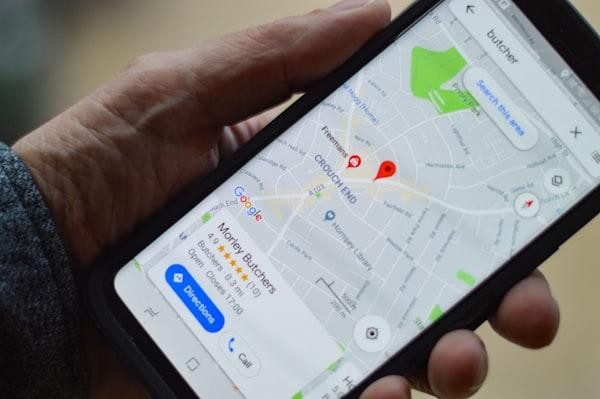
Local SEO focuses on the places where people choose local providers, Google Maps, the local pack, and local organic results. The local pack is the three business listings shown with a map.
Two systems drive results. Your listings drive Maps and pack visibility. Your website drives local organic rankings and supports conversions after the click.
Google says local rankings depend on relevance, distance, and prominence. Prominence means how established and trusted your business looks online. You cannot pay to improve local ranking. Ads may appear above results, but they do not change map pack order.
Marketers call your core contact details NAP, short for name, address, and phone. A service-area business, or SAB, serves customers at their location instead of a shopfront. If that is you, hide your street address and set service areas correctly.
This is not just for cafes and retailers. Plumbers, electricians, clinics, lawyers, and mobile services all rely on local search to win nearby demand.
Why Local SEO Pays Off
Good local visibility compounds because it improves both discovery and trust.
Three benefits matter most for small businesses that need leads, not vanity traffic.
Capture High-Intent Demand
Local buyers act fast. Google research shows 76% of nearby smartphone searchers visit a business within a day, and 28% of those searches lead to a purchase. If you show up in the map pack, you can turn tonight’s problem into tomorrow’s job.
Build Trust With Reviews
Reviews shape choice in 2026. Ninety-seven percent of consumers read reviews for local businesses, and 80% are more likely to choose a business that responds to every review. A steady review process builds trust before a customer ever calls.
Show Up In Maps And AI Results
Local data now feeds more than Google. BrightLocal reports that 40% of consumers trust AI platforms for local suggestions. Strong listings, fresh reviews, and accurate pages give those systems better information to recommend you.
How To Rank In Local Results
Local rankings improve when you fix the basics, then repeat what earns trust.
Start with the assets you control, then build habits that keep them accurate and active.
Own your Google Business Profile, or GBP. Choose the right primary category, then add matching secondary categories, services, hours, attributes, and booking links. For a plumber, Plumber is usually stronger than a broad category that hides the main service.
Add real team, van, site, and job photos every quarter. Fresh images help customers judge legitimacy before they call.
Claim Apple Business Connect, or ABC. Add your logo, hours, address, and call or booking actions. Make sure the details match your website and GBP exactly.
Sync Bing Places. Import your GBP listing, then check every field after import. It is quick coverage, and it still sends leads in some categories.
Build a review engine. Ask by SMS or email right after service, place a QR code on invoices, and reply within 72 hours. Positive reviews do more than lift trust. They also push more people to your website, where your calls to action need to be clear.
Fix Australian citations. Audit the main directories, remove duplicates, and correct old phone numbers or address formats. Inconsistent listings confuse both buyers and search platforms.
Publish conversion-ready local pages. Create one useful page per city or service area, not thin near-duplicates. Include the service and location in the H1, add FAQs, proof, and clear calls to action, and use LocalBusiness schema, which is structured code that labels your business details.
Where To Show Up
Prioritise the platforms that shape Maps, search, and local recommendations.
You do not need to be everywhere first. You need to be accurate on the places people and devices check most.
- Google: Keep your GBP complete, and support it with local landing pages on your site. Add UTM tags, short tracking codes added to a URL, so visits from GBP are easy to measure.
- Apple: Claim Apple Business Connect for Apple Maps and Siri. Match your hours, categories, and contact details to your website exactly.
- Microsoft: Import into Bing Places from GBP, then review the data for errors before you publish.
- Australian Directories: Focus on Yellow Pages, TrueLocal, StartLocal, White Pages, Yelp AU, and Facebook before you chase smaller sites.
What To Do In The First 90 Days
A simple 90-day plan gives local SEO enough time to show real movement.
Weeks 1-4: Foundations. Claim and verify GBP, ABC, and Bing Places. Record your name, address, phone, hours, and categories in one master sheet. Add UTM tags to your GBP website link, upload 10 to 20 real photos, publish or refresh your main local pages, and correct your top Australian citations.
Weeks 5-8: Momentum. Start your review system with templates, QR codes, and post-job messages. Set a reply standard of 72 hours or less. Add two to four new service or city pages, and refresh images and FAQs.
Weeks 9-12: Scale. Refine categories, add services or products to GBP, and test offers in ABC. Expand to industry directories, then look for local PR and links from relevant community groups, suppliers, or associations. Use a geo-grid rank tracker, which checks map visibility across multiple points, to spot weak suburbs. If you want a Australia partner to handle that execution locally, First Page SEO services in Sydney can support the rollout.
How To Measure Local SEO
Measure both visibility and sales actions, or you will miss what local SEO is really doing.
A ranking gain matters only if it leads to calls, bookings, direction requests, or revenue.
GBP Insights: Track calls, direction requests, and website clicks. Compare each 28 days with the last one so trends are easier to spot.
UTM Tags: Send listing traffic into your analytics tool with clear source and medium labels. That lets you separate local listing visits from other channels.
Review Metrics: Watch reviews per week, days since the last review, and average reply time. Fast, steady activity shows both Google and customers that the business is active.
Geo-Grid Rankings: Check how far your map pack visibility extends across priority suburbs. Weak pockets usually point to poor categories, thin local pages, or low review coverage nearby.
Apple Maps Analytics: Review ABC views and actions, and keep your hours aligned with your site and GBP at all times.
Make Local SEO Work For You
Local SEO pays off when it becomes part of normal operations, not a one-off project.
Small businesses that systemise local SEO can beat larger brands in their own suburbs. Each accurate listing, fresh photo, and new review makes it easier for the next customer to choose you.
You do not need a huge budget. You need a process for listings, review requests, citation checks, and local page updates.
Start this week, review results every seven days, and double down on what moves calls and bookings.
To read more content like this, explore The Brand Hopper
Subscribe to our newsletter