Last Updated on September 29, 2026 by Team TBH
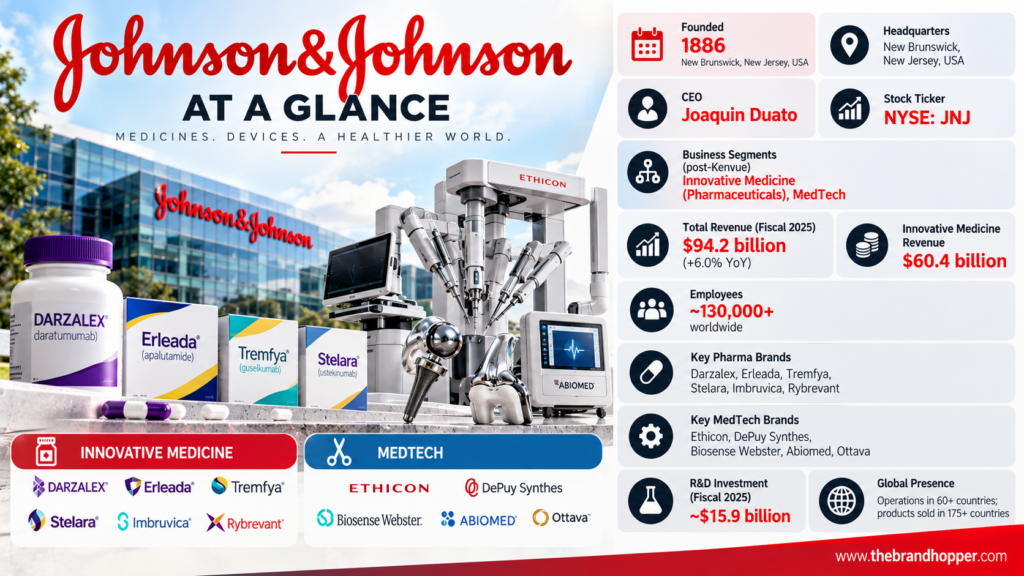
Johnson & Johnson (J&J) is one of the world’s most enduring healthcare companies. Founded in 1886 by brothers Robert Wood Johnson, James Wood Johnson, and Edward Mead Johnson, the company was inspired by Joseph Lister’s antiseptic approach to surgery. J&J set out to mass-produce sterile surgical supplies, including sutures, gauze and surgical dressings, helping make antiseptic surgery more practical and accessible. The company’s first mass-produced sterile surgical dressings reached the market in 1887, establishing the foundation for a healthcare business that would expand across pharmaceuticals, medical devices and consumer health over the following century.
Today, Johnson & Johnson is fundamentally different from the diversified healthcare company that once owned consumer brands such as BAND-AID® and TYLENOL®. In 2023, J&J completed the separation of its Consumer Health business into Kenvue Inc., a separately traded public company. Following the separation, J&J became focused exclusively on two businesses: Innovative Medicine, its pharmaceutical segment, and MedTech, its medical-device and technology segment. J&J described the transaction as creating a more focused company centered on transformational pharmaceutical and MedTech solutions.
The company continued to expand in 2025. For fiscal year 2025, Johnson & Johnson reported $94.2 billion in sales, up 6.0% year over year. Innovative Medicine generated $60.4 billion, up 6.0%, while MedTech generated $33.8 billion, up 6.1%. Innovative Medicine growth was driven primarily by oncology products including DARZALEX, CARVYKTI, ERLEADA and RYBREVANT/LAZCLUZE, as well as immunology products such as TREMFYA and SIMPONI/SIMPONI ARIA and neuroscience product SPRAVATO. STELARA, however, faced significant sales pressure from biosimilar competition. MedTech growth was driven particularly by electrophysiology, cardiovascular technologies including Abiomed, and wound-closure products in General Surgery.
The latest available results show that J&J’s momentum continued into 2026. In Q2 2026, the company reported $25.3 billion in sales, up 6.6% year over year, with Innovative Medicine and MedTech both contributing to growth. J&J also raised its full-year 2026 sales outlook to approximately $101.1 billion at the midpoint, marking the company’s projected first year above $100 billion in annual revenue.
Yet J&J does not operate in a vacuum. Its two businesses compete across highly competitive pharmaceutical and medical-technology markets, facing multinational drugmakers with large oncology and immunology pipelines, as well as medical-device companies competing across cardiovascular, surgical, orthopaedic, electrophysiology and robotic technologies. This article provides a comprehensive, data-driven analysis of Johnson & Johnson’s 16 most significant competitors, examining where each company overlaps with J&J’s current Innovative Medicine and MedTech businesses.
Johnson & Johnson’s competitive landscape is unusually broad because the company operates across two major healthcare sectors — pharmaceuticals and medical technology — with competitors differing substantially by therapeutic area and device category. In Innovative Medicine, J&J competes with pharmaceutical companies such as AbbVie, Merck, Bristol Myers Squibb, Pfizer, Roche and AstraZeneca across areas including immunology, oncology, neuroscience and other specialty medicines. In MedTech, its competitors include Medtronic, Abbott, Boston Scientific, Stryker and Intuitive Surgical, depending on the specific procedure, technology and market.
The pharmaceutical business faces several sources of competitive pressure: biosimilar competition, loss of exclusivity for established medicines, competing therapies and new mechanisms of action, and the need to continually replenish the pipeline with differentiated treatments. STELARA is a prominent example. J&J began facing U.S. biosimilar competition in 2025 following agreements that permitted biosimilar launches from January 2025, and STELARA’s sales subsequently came under substantial pressure. In 2025, J&J reported that STELARA reduced Innovative Medicine operational sales growth by approximately 10.4 percentage points.
The MedTech business faces similarly diverse competition. J&J competes in electrophysiology and cardiovascular care with companies such as Abbott, Boston Scientific and Medtronic; in robotic and digital surgery with Intuitive Surgical and other emerging platforms; and across orthopaedics, general surgery and vision with companies including Stryker, Medtronic, Becton Dickinson and Alcon. The competitive intensity varies significantly by product category rather than being concentrated against one universal MedTech rival. J&J has also identified cardiovascular, surgery and robotics as important areas for future MedTech growth.
J&J’s competitive position is supported by three major factors: the depth of its Innovative Medicine pipeline and portfolio, the breadth of its MedTech platform, and substantial financial capacity to invest in internal R&D and acquisitions. J&J has said its Innovative Medicine pipeline is expected to deliver more than 20 novel therapies and more than 50 product expansions by 2030, while its MedTech strategy emphasizes growth in areas including cardiovascular, robotics and digital technologies.
The company’s scale also supports this investment. J&J generated $94.2 billion in 2025 sales and invested $14.7 billion in research and development, equivalent to approximately 15.6% of sales. Innovative Medicine accounted for $11.8 billion of that R&D expenditure and MedTech for $2.8 billion. In the first half of 2026, J&J invested a further $7.2 billion in R&D, demonstrating that innovation remains a significant component of its competitive strategy.
The latest results also show continued momentum. In Q2 2026, J&J generated $25.3 billion in sales, up 6.6% year over year, and raised its full-year 2026 reported-sales outlook to $100.8 billion–$101.4 billion, with a midpoint of approximately $101.1 billion.
Against this backdrop, J&J’s competitive position is best understood not as a contest against a single company, but as a collection of battles across individual therapeutic and technology markets. The following analysis examines 16 significant competitors, covering the pharmaceutical and MedTech companies that most directly overlap with J&J’s current businesses.
Top 16 Competitors of Johnson & Johnson
1. Pfizer Inc.
Website – https://www.pfizer.com/
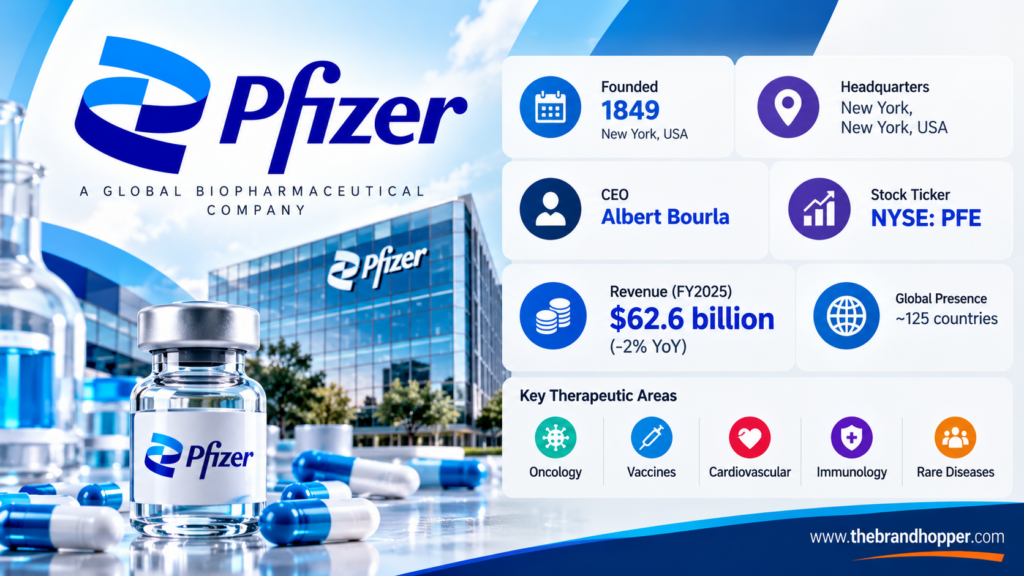
Pfizer Inc. — founded in 1849 and headquartered in New York City — is one of the world’s largest biopharmaceutical companies and a significant competitor to Johnson & Johnson across multiple therapeutic areas. In fiscal 2025, Pfizer reported $62.6 billion in revenue, compared with $63.6 billion in 2024, representing a 2% year-over-year operational decline. The decline primarily reflected continued normalization of COVID-19 product revenues; excluding Comirnaty and Paxlovid, Pfizer’s 2025 revenues grew 6% operationally.
The competition between Pfizer and J&J is multifaceted. In immunology, Pfizer’s XELJANZ (tofacitinib) competes in inflammatory diseases such as rheumatoid arthritis, psoriatic arthritis and ulcerative colitis, while J&J competes with products including STELARA (ustekinumab) and TREMFYA (guselkumab). XELJANZ generated approximately $1.09 billion in Pfizer revenue in 2025, although its sales have declined as competition and market dynamics have evolved.
In oncology, Pfizer’s portfolio includes IBRANCE (palbociclib), XTANDI (enzalutamide, developed and commercialized through Pfizer’s collaboration with Astellas) and, following its 2023 acquisition of Seagen, oncology products including PADCEV (enfortumab vedotin-ejfv), ADCETRIS, TIVDAK and TUKYSA. In 2025, IBRANCE generated $4.12 billion in revenue, XTANDI generated $2.19 billion in alliance and royalty revenue, and PADCEV generated $1.94 billion. These products compete with J&J’s oncology portfolio across overlapping cancer categories, although the individual medicines often address different indications, mechanisms or lines of therapy.
In the biosimilar arena, Pfizer’s INFLECTRA (infliximab-dyyb) is a biosimilar to J&J’s REMICADE (infliximab) and has been one of the clearest examples of direct competition between the two companies. Pfizer sued J&J in 2017, alleging that J&J used exclusionary contracting and bundled-rebate practices that restricted access to Inflectra. A federal court allowed key antitrust claims to proceed, while J&J denied wrongdoing. The litigation was ultimately settled in 2021, with Pfizer agreeing to drop the lawsuit. The case became an important example of the commercial and antitrust issues surrounding biosimilar adoption and contracting practices after biologic loss of exclusivity.
Pfizer’s competitive position has also evolved significantly since the original Remicade dispute. Its $43 billion acquisition of Seagen, completed in December 2023, substantially expanded Pfizer’s oncology capabilities and added Seagen’s antibody-drug conjugate technology and four marketed cancer medicines. Pfizer said the acquisition doubled the size of its oncology pipeline to approximately 60 programs at the time of the transaction.
Beyond oncology and immunology, Pfizer maintains major businesses in vaccines, internal medicine, inflammation and immunology, rare diseases and specialty care. Its 2025 portfolio included major products such as Eliquis, Prevnar, Vyndaqel, Comirnaty, Ibrance, Paxlovid, Xtandi and Xeljanz. Pfizer also continued to expand its future-growth pipeline through business development, including its 2025 acquisition of Metsera, a clinical-stage company focused on obesity and cardiometabolic diseases.
As of early 2026, Pfizer reported 102 projects in its pipeline and approximately $10.4 billion invested in internal R&D during 2025, illustrating the scale of its research operation.
2. Novartis AG
Website – https://www.novartis.com/
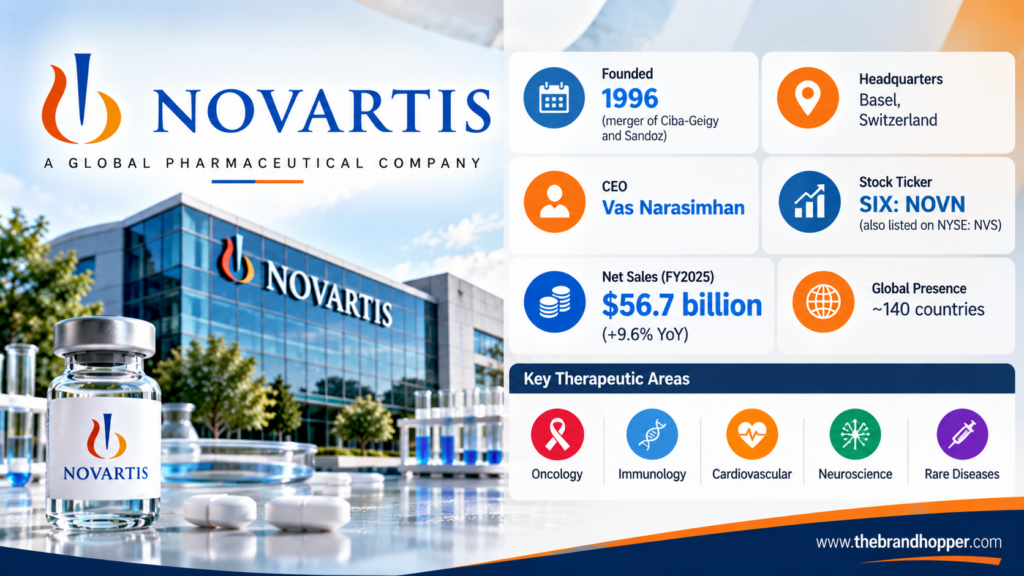
Novartis AG, formed in 1996 through the merger of Ciba-Geigy and Sandoz, is headquartered in Basel, Switzerland, and is one of the world’s major innovative medicines companies. In fiscal 2025, Novartis reported $54.5 billion in net sales from continuing operations, up 8% in constant currencies and 7% in U.S. dollars from 2024. Growth was driven by key medicines including Cosentyx, Kisqali, Kesimpta, Pluvicto, Scemblix and Leqvio. Cosentyx generated $6.7 billion in sales, while Kisqali reached $4.8 billion, reflecting strong growth in immunology and oncology.
Novartis and J&J compete directly in several immunology markets. Novartis’ Cosentyx (secukinumab), an IL-17A inhibitor used in conditions including plaque psoriasis, psoriatic arthritis, ankylosing spondylitis and non-radiographic axial spondyloarthritis, competes with J&J’s Tremfya (guselkumab) and Stelara (ustekinumab) in overlapping inflammatory-disease markets, although the medicines target different biological pathways. The competitive overlap is particularly significant in psoriasis and related immune-mediated diseases. Novartis’ immunology franchise generated $10.3 billion in 2025, with Cosentyx accounting for $6.7 billion. J&J’s TREMFYA, meanwhile, generated more than $5 billion in 2025, while STELARA faced substantial biosimilar erosion.
In oncology, Novartis has a substantial portfolio spanning targeted medicines, radioligand therapy and cell therapy. Kisqali (ribociclib) generated $4.8 billion in 2025 and competes in the CDK4/6 inhibitor market for HR-positive/HER2-negative breast cancer, while Pluvicto (lutetium-177 vipivotide tetraxetan) generated approximately $2.0 billion and represents Novartis’ growing radioligand-therapy franchise. Novartis’ Kymriah (tisagenlecleucel) remains a CAR-T therapy for certain blood cancers, while J&J’s Carvykti (ciltacabtagene autoleucel), developed with Legend Biotech, competes in the CAR-T market for multiple myeloma. The companies also have broader competition across emerging oncology modalities, although their pipelines are not identical; Novartis’ current development portfolio includes programs in targeted therapies, radioligand therapy and other novel treatment approaches.
3. Roche Holding AG
Website – https://www.roche.com/
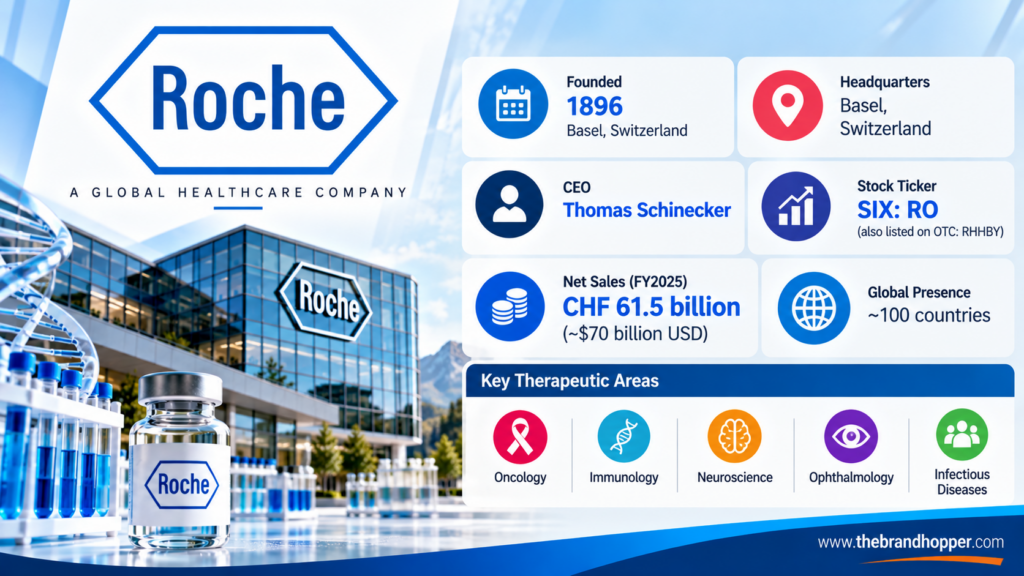
Roche Holding AG, founded in 1896 and headquartered in Basel, Switzerland, is one of the world’s largest healthcare companies, combining pharmaceuticals and diagnostics under one group. In fiscal 2025, Roche reported CHF 61.5 billion in Group sales, representing 7% growth at constant exchange rates and 2% growth in reported Swiss francs. Pharmaceuticals generated CHF 47.7 billion, up 9% at constant exchange rates, while Diagnostics contributed CHF 13.8 billion. Roche’s growth was led by medicines including Ocrevus, Hemlibra, Vabysmo, Xolair, Phesgo and Tecentriq, while its established oncology products continued to face patent expirations and biosimilar competition.
Roche and J&J compete particularly strongly in oncology and immunology, although the overlap varies by disease and individual product. Roche’s oncology and haematology portfolio includes Tecentriq, Perjeta, Phesgo, Kadcyla, Alecensa, Polivy, Gazyva/Gazyvaro, Herceptin, Avastin and MabThera/Rituxan, with oncology and haematology representing roughly 40% of Roche Pharmaceuticals’ 2025 sales. J&J’s DARZALEX, CARVYKTI and other oncology medicines compete with Roche across parts of the hematologic-oncology landscape, although the products frequently address different cancers, mechanisms or lines of treatment. In immunology, Roche’s Actemra/RoActemra and other immune-mediated disease products also operate in markets where J&J has major franchises such as STELARA and TREMFYA. Roche’s established oncology products are experiencing significant competitive pressure: sales of Avastin, Herceptin and MabThera/Rituxan declined in 2025 as patents expired and biosimilar competition increased.
In diagnostics, Roche has a major competitive position through its Diagnostics Division, which generated CHF 13.8 billion in sales in 2025 and provides technologies across clinical chemistry, immunodiagnostics, molecular diagnostics, pathology and point-of-care testing. This gives Roche a business model that combines medicines with diagnostic technologies used to detect, classify and monitor disease. The strategic connection between diagnostics and therapeutics is particularly relevant to personalised healthcare, where diagnostic testing can help identify disease characteristics and guide treatment decisions. Roche’s Diagnostics business continued to grow in 2026, generating approximately CHF 6.9 billion in sales during the first half of the year, while the Pharmaceuticals Division generated CHF 23.6 billion. This combination of pharmaceutical innovation and diagnostics gives Roche a competitive footprint that differs materially from J&J’s current two-segment structure of Innovative Medicine and MedTech.
4. Merck & Co., Inc.
Website – https://www.merck.com/
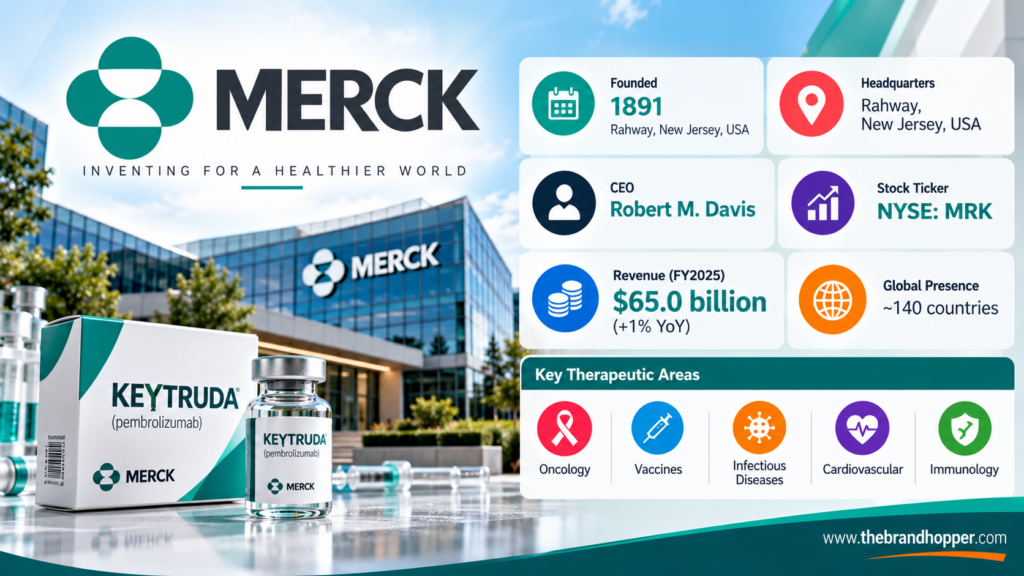
Merck & Co., Inc. (known as MSD outside the United States and Canada) is one of the world’s largest pharmaceutical companies, founded in 1891 and headquartered in Rahway, New Jersey. In fiscal 2025, Merck reported $65.0 billion in worldwide sales, up 1% from 2024, or 2% excluding the unfavorable impact of foreign exchange. The company’s largest growth driver remained KEYTRUDA (pembrolizumab), whose 2025 sales reached $31.68 billion, up 7% year over year. Merck’s 2025 performance was also supported by newer products including CAPVAXIVE, while Gardasil/Gardasil 9 sales declined 39% to $5.23 billion.
KEYTRUDA creates substantial competitive overlap with J&J’s oncology business, although the two companies’ products do not universally compete for the same patients. KEYTRUDA is a PD-1 checkpoint inhibitor approved across a broad range of solid tumors and certain hematologic malignancies, while J&J’s DARZALEX (daratumumab) is primarily focused on multiple myeloma and other plasma-cell disorders, and ERLEADA (apalutamide) targets prostate cancer. The companies therefore compete within the broader oncology market for treatment decisions, clinical adoption and healthcare budgets, while their individual products often address different cancers or treatment settings. Merck’s oncology strategy extends beyond KEYTRUDA through products and pipeline programs including WELIREG, LYNPARZA alliance revenue and its expanding development portfolio. Merck’s acquisition of Harpoon Therapeutics, completed in 2024, added investigational T-cell engagers such as MK-6070 to its oncology pipeline.
Beyond oncology, Merck and J&J have competitive overlap across vaccines, immunology and other specialty-medicine markets, although the degree of direct competition varies considerably. Merck’s GARDASIL/GARDASIL 9 remains one of the world’s leading HPV vaccine franchises, while J&J’s current portfolio is no longer a major vaccine business following the separation of its consumer-health operations and the company’s subsequent focus on Innovative Medicine and MedTech. Merck also strengthened its immunology pipeline through its $10.8 billion acquisition of Prometheus Biosciences in 2023, adding the TL1A-targeting candidate PRA023, now known as MK-7240, for immune-mediated diseases including ulcerative colitis and Crohn’s disease. In addition, Merck has expanded its pipeline through transactions including the acquisitions of Verona Pharma and Cidara Therapeutics in 2025. Its business-development strategy is therefore broadening beyond KEYTRUDA while J&J continues to invest heavily in immunology and oncology through products such as TREMFYA, DARZALEX and CARVYKTI.
5. AbbVie Inc.
Website – https://www.abbvie.com/
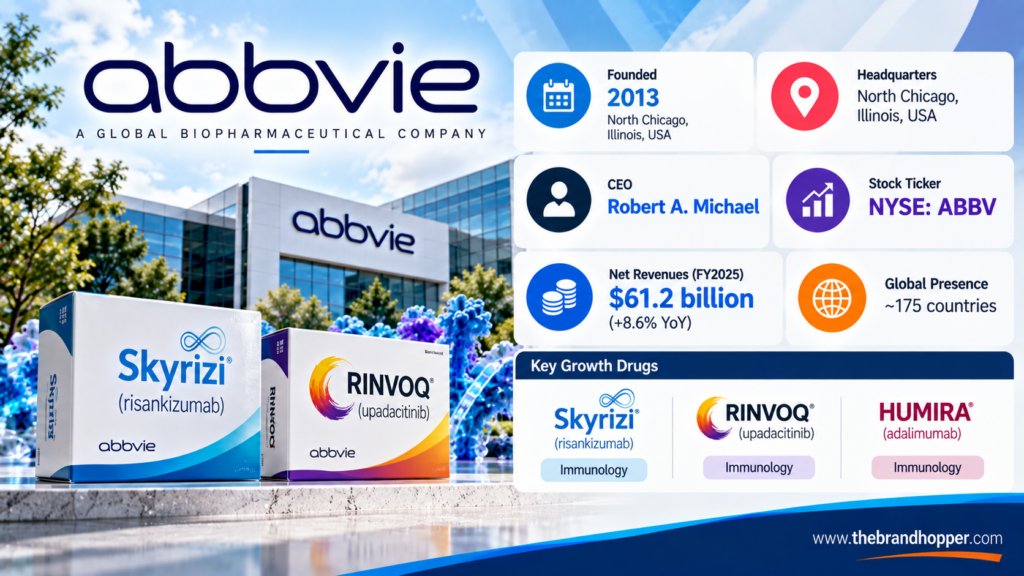
AbbVie Inc. was spun off from Abbott Laboratories in 2013 and has grown into one of the world’s largest pharmaceutical companies, headquartered in North Chicago, Illinois. In fiscal 2025, AbbVie reported $61.16 billion in net revenues, up 8.6% year over year, marking a record year for the company. Growth was driven primarily by its post-Humira immunology franchise: Skyrizi (risankizumab) generated $17.56 billion, up 49.9%, while Rinvoq (upadacitinib) generated $8.30 billion, up 39.1%. By contrast, Humira (adalimumab) revenue fell 49.5% to $4.54 billion globally as biosimilar competition continued following the drug’s U.S. loss of exclusivity. AbbVie’s immunology portfolio as a whole generated $30.41 billion in 2025, up 14.0%.
The J&J–AbbVie rivalry in immunology remains particularly significant. Humira historically competed directly with J&J’s Remicade (infliximab) across inflammatory diseases including rheumatoid arthritis, Crohn’s disease and ulcerative colitis, while Humira and J&J’s Stelara (ustekinumab) have competed in overlapping indications such as Crohn’s disease, ulcerative colitis and psoriasis. As Humira faces continuing biosimilar erosion, AbbVie is increasingly relying on Skyrizi and Rinvoq as its core immunology growth drivers. J&J is undergoing a comparable portfolio transition: Stelara began facing U.S. biosimilar competition in 2025, while J&J is expanding Tremfya (guselkumab) as a major next-generation immunology franchise. In 2025, Tremfya generated more than $5 billion in sales, while Stelara sales declined substantially as biosimilar competition accelerated.
AbbVie has also expanded well beyond immunology through major acquisitions, increasing its competitive presence in oncology, neuroscience and aesthetics. Its $63 billion acquisition of Allergan, completed in 2020, added major businesses including Botox Cosmetic, Botox Therapeutic, Vraylar and eye-care products, while the $10.1 billion acquisition of ImmunoGen, completed in February 2024, brought ELAHERE (mirvetuximab soravtansine-gynx), an antibody-drug conjugate approved for certain patients with ovarian cancer, into AbbVie’s oncology portfolio. ELAHERE has given AbbVie a differentiated position in antibody-drug conjugates and expanded its oncology pipeline, while Allergan’s neuroscience portfolio has strengthened AbbVie’s presence in areas that overlap with J&J’s Innovative Medicine business.
6. Eli Lilly and Company
Website – https://www.lilly.com/
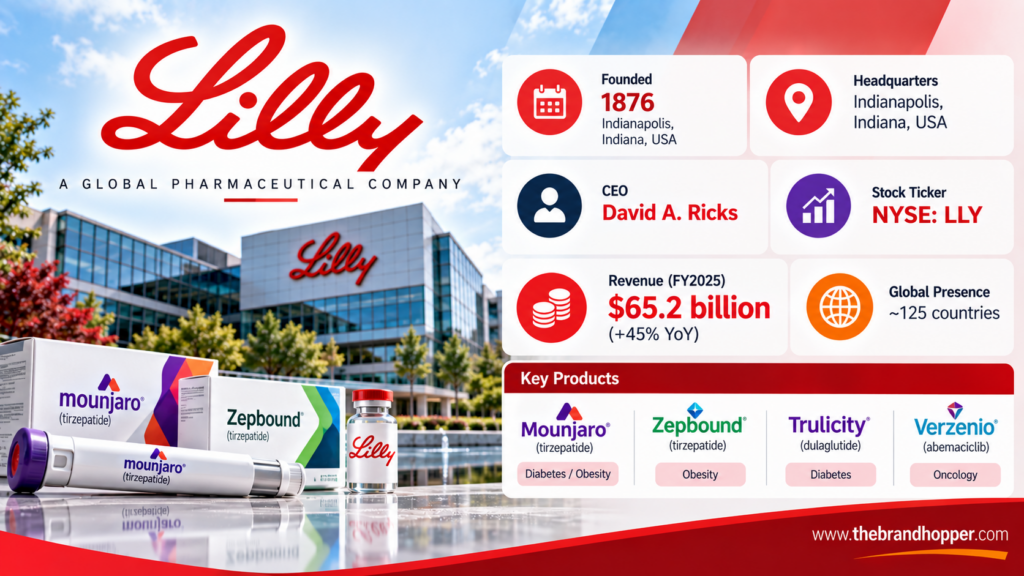
Eli Lilly and Company, founded in 1876 and headquartered in Indianapolis, Indiana, has become one of the world’s most valuable pharmaceutical companies, driven by the extraordinary commercial success of its incretin medicines for type 2 diabetes and obesity. In fiscal 2025, Lilly reported $65.18 billion in revenue, up 45% from $45.04 billion in 2024. The company’s growth was overwhelmingly driven by tirzepatide: Mounjaro, marketed primarily for type 2 diabetes, generated $22.97 billion in 2025 revenue, up 99%, while Zepbound, marketed for chronic weight management, generated $13.54 billion, up 175%. The momentum continued into 2026, with Lilly reporting $22.97 billion in Q2 2026 revenue, up 48% year over year, including $9.94 billion from Mounjaro and $4.93 billion from Zepbound.
While J&J does not currently compete directly with Lilly in the GLP-1/incretin market, Lilly’s rapid growth has significantly increased its scale and strategic importance within the pharmaceutical industry. The companies compete more directly in oncology and immunology. Lilly’s Verzenio (abemaciclib), a CDK4/6 inhibitor for certain HR-positive, HER2-negative breast cancers, generated $5.72 billion in 2025 revenue and competes within a breast-cancer market where J&J is developing and commercializing its own oncology portfolio, although Verzenio and J&J’s leading oncology medicines such as DARZALEX and ERLEADA generally target different cancers and treatment settings. Lilly is also expanding its oncology pipeline through multiple mechanisms and acquisitions, including antibody-drug conjugate assets, while J&J continues to invest heavily in hematologic and solid-tumor oncology.
Lilly has also strengthened its position in immunology, bringing it closer to J&J’s Innovative Medicine portfolio. In 2024, Lilly completed its approximately $3.2 billion acquisition of Morphic Holding, adding MORF-057, an investigational oral selective α4β7 integrin inhibitor being developed for inflammatory bowel diseases including ulcerative colitis and Crohn’s disease. The transaction expanded Lilly’s gastroenterology and immunology pipeline alongside its existing Omvoh (mirikizumab) franchise. Lilly has simultaneously broadened its oncology capabilities through other business-development transactions, including its acquisition of Mablink Bioscience, which added an investigational folate-receptor-alpha antibody-drug conjugate to its pipeline. These investments expand Lilly’s competitive reach beyond its dominant cardiometabolic franchise and increasingly bring it into therapeutic areas where J&J is also investing heavily.
7. Bristol-Myers Squibb (BMS)
Website – https://www.bms.com/
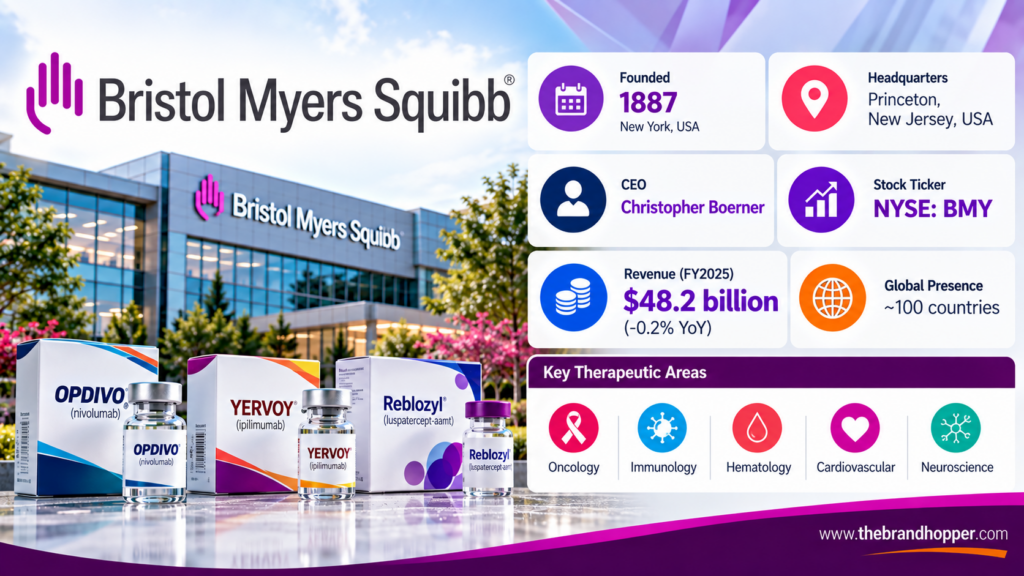
Bristol Myers Squibb (BMS), headquartered in Princeton, New Jersey, is one of the world’s major biopharmaceutical companies, with roots stretching back to 1858, when Edward Robinson Squibb founded E.R. Squibb & Sons, and to 1881, when William McLaren Bristol and John Ripley Myers established Bristol-Myers. The two businesses merged in 1989 to form Bristol-Myers Squibb. In fiscal 2025, BMS reported $48.19 billion in revenue, essentially flat compared with $48.30 billion in 2024. However, its Growth Portfolio generated $26.41 billion, up 17% year over year, as newer medicines increasingly offset declining sales from the Legacy Portfolio. Key growth products included Opdivo ($10.05 billion), Orencia ($3.71 billion), Yervoy ($2.90 billion), Reblozyl ($2.33 billion), Breyanzi ($1.36 billion) and Camzyos ($1.07 billion).
BMS and J&J compete most significantly in oncology and hematology, particularly in multiple myeloma. BMS’s Revlimid (lenalidomide) and Pomalyst/Imnovid (pomalidomide) are established multiple-myeloma medicines that are used in treatment regimens alongside or in sequence with J&J’s DARZALEX (daratumumab) and other myeloma therapies. In 2025, Revlimid generated $2.95 billion and Pomalyst/Imnovid generated $2.73 billion, although both experienced substantial generic erosion. BMS’s Opdivo (nivolumab), which generated $10.05 billion, is another major oncology franchise, but it does not generally compete directly with J&J’s RYBREVANT (amivantamab) because the two medicines target different cancers and treatment settings. The broader competition between the companies therefore spans oncology portfolios rather than every product competing head-to-head.
In immunology, BMS’s Orencia (abatacept), which generated $3.71 billion in 2025, competes in inflammatory diseases including rheumatoid arthritis, while Zeposia (ozanimod) addresses conditions including ulcerative colitis and multiple sclerosis; these markets overlap with parts of J&J’s Innovative Medicine portfolio, although the individual products and indications differ. In cardiovascular medicine, BMS’s Eliquis (apixaban) generated $14.44 billion in 2025 and remains one of the world’s largest oral anticoagulant franchises through its alliance with Pfizer. Eliquis does not directly compete with J&J’s MedTech devices such as Biosense Webster electrophysiology technologies or Abiomed cardiovascular systems, but the companies participate in the broader cardiovascular-care ecosystem through different types of products and clinical interventions.
8. Sanofi S.A.
Website – https://www.sanofi.com/
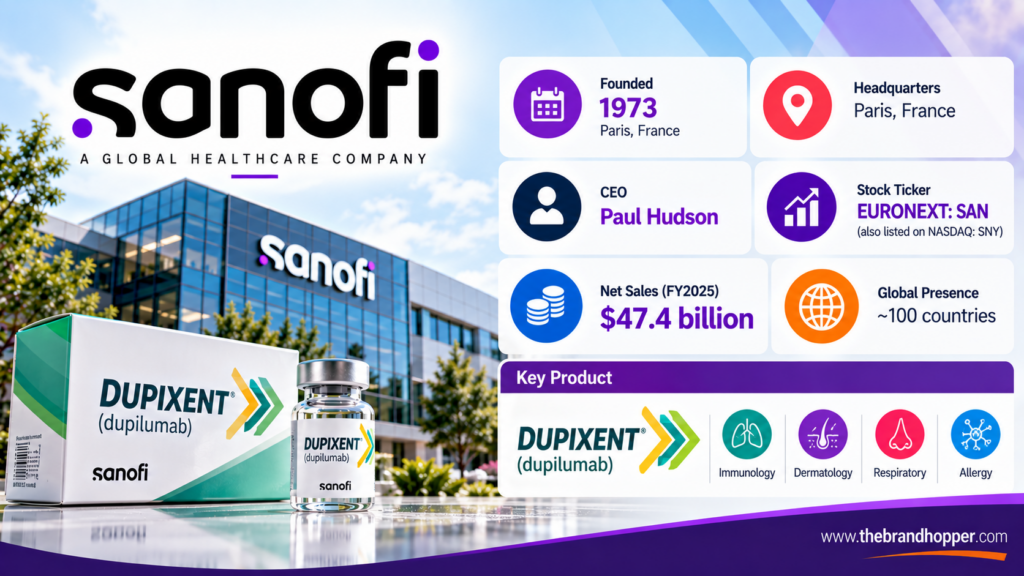
Sanofi S.A., headquartered in Paris, France, traces its corporate history to 1973 and has developed into one of Europe’s largest biopharmaceutical companies. In fiscal 2025, Sanofi reported €43.63 billion in net sales, up 6.2% on a reported basis and 9.9% at constant exchange rates. The company’s most important growth driver was Dupixent (dupilumab), developed in collaboration with Regeneron, which generated €15.7 billion in 2025 sales, up 27% at constant exchange rates. Dupixent, an IL-4 receptor alpha inhibitor, has expanded beyond its original dermatology indication into diseases including asthma, chronic rhinosinusitis with nasal polyps, eosinophilic esophagitis, prurigo nodularis and chronic spontaneous urticaria, with additional indications continuing to expand its addressable market.
Direct commercial overlap between Sanofi and J&J in immunology is currently limited. Dupixent leads type-2 inflammatory diseases such as atopic dermatitis and asthma, where J&J has no marketed product, though J&J has investigational immunology programs that could bring the two companies into closer competition.
In vaccines and specialty medicines, Sanofi has a major global presence through its vaccines business, with products and franchises spanning influenza, respiratory disease, meningococcal disease, travel and other infectious diseases. However, the comparison with J&J has changed substantially: J&J’s former Janssen COVID-19 vaccine is no longer a significant commercial competitor, and the company is now focused primarily on Innovative Medicine and MedTech following the separation of Kenvue. Sanofi also has a significant rare-disease and specialty-care business following its 2011 acquisition of Genzyme, which strengthened its position in rare diseases and multiple sclerosis through products and assets including Aubagio and Lemtrada. This creates some therapeutic overlap with J&J’s broader neuroscience and specialty-medicine activities, although the companies’ current portfolios are not directly aligned across most individual products.
9. GSK plc (formerly GlaxoSmithKline)
Website – https://www.gsk.com/en-gb/
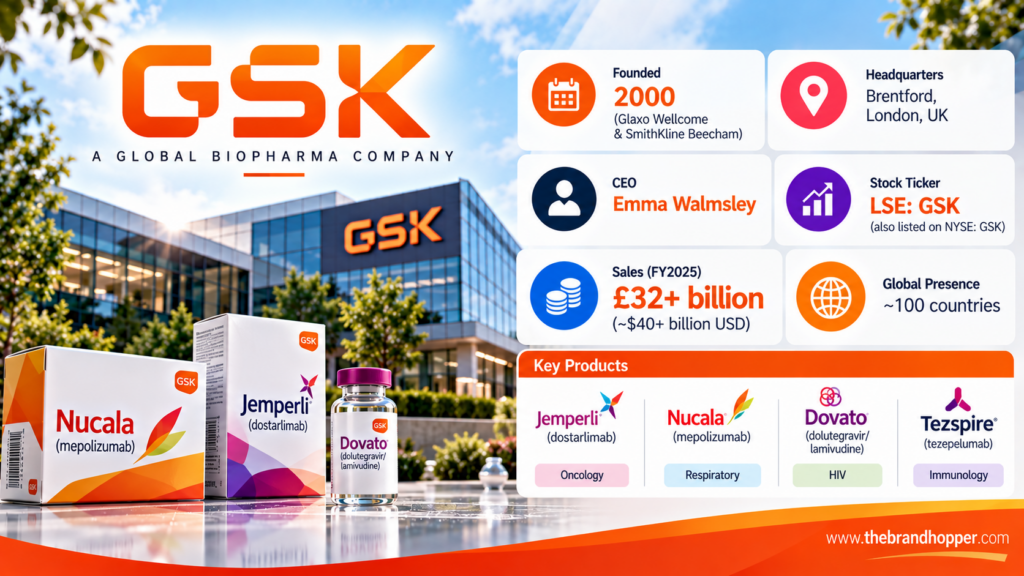
GSK plc, headquartered in London, United Kingdom, was formed in 2000 through the merger of Glaxo Wellcome and SmithKline Beecham and is one of the world’s leading biopharmaceutical and vaccine companies. In fiscal 2025, GSK reported £32.67 billion in total sales, up 4% at actual exchange rates and 7% at constant exchange rates. Specialty Medicines generated £13.5 billion, up 17%, led by strong growth across respiratory, immunology, inflammation, oncology and HIV, while Vaccines generated £9.2 billion. Key growth products included Nucala (£2.01 billion), Benlysta (£1.77 billion), Jemperli (£557 million), Ojjaara/Omjjara (£554 million), Shingrix (£3.56 billion) and the HIV portfolio including Dovato, Cabenuva and Apretude. GSK’s oncology sales grew 43% to approximately £2.0 billion, supported by Jemperli and newer products including Blenrep.
GSK and J&J compete across several therapeutic areas, although the degree of direct overlap varies by product and indication. GSK has one of the industry’s largest vaccine businesses, with major franchises including Shingrix for shingles, Arexvy for RSV, meningococcal vaccines and influenza vaccines. Shingrix generated approximately £3.56 billion in 2025 sales, while Arexvy generated approximately £0.6 billion. J&J’s former Janssen vaccine business is no longer a comparable commercial vaccine franchise: the company discontinued development of several vaccine programs and its COVID-19 vaccine, leaving its current business focused primarily on Innovative Medicine and MedTech. Shingrix therefore competes primarily with other current shingles vaccines rather than with a current J&J commercial vaccine portfolio.
In oncology, respiratory medicine and immunology, GSK overlaps with J&J in selected markets. GSK’s oncology portfolio includes Jemperli (dostarlimab), a PD-1 inhibitor used in endometrial cancer, and Blenrep (belantamab mafodotin), a BCMA-targeting antibody-drug conjugate for multiple myeloma; both operate in therapeutic areas where J&J has significant oncology assets, including DARZALEX and CARVYKTI, although the individual medicines target different diseases or treatment settings. GSK’s respiratory and immunology portfolio includes Nucala (mepolizumab), Trelegy Ellipta and other inhaled therapies, while J&J’s current portfolio has a much smaller respiratory footprint. GSK completed the separation of its Consumer Healthcare business in July 2022, creating Haleon plc, which became an independent publicly traded company; the former business had been a joint venture in which GSK held 68% and Pfizer 32%. Following the demerger, GSK became focused on biopharmaceuticals and vaccines, broadly paralleling J&J’s strategic move to focus on Innovative Medicine and MedTech after separating its Consumer Health business into Kenvue in 2023.
10. Bayer AG
Website – https://www.bayer.com/en/
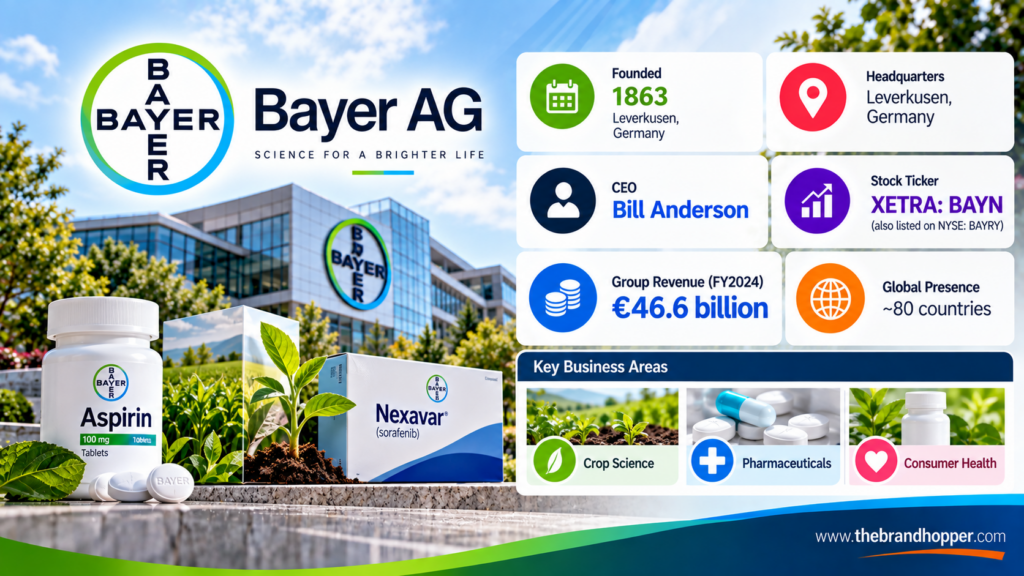
Bayer AG, the German multinational headquartered in Leverkusen, Germany, traces its origins to 1863 and operates across three major businesses: Pharmaceuticals, Consumer Health and Crop Science. In fiscal 2025, Bayer reported €45.6 billion in group sales, with Crop Science contributing €21.6 billion, Pharmaceuticals €17.8 billion and Consumer Health €5.8 billion. The Pharmaceuticals business was supported by strong growth from Nubeqa (darolutamide) and Kerendia (finerenone), as well as its Radiology and Women’s Health businesses, although sales of established products such as Xarelto and Eylea declined because of patent expirations and competitive pressure. Bayer continues to face substantial financial and legal exposure from glyphosate-related litigation inherited through its 2018 acquisition of Monsanto. In February 2026, Monsanto agreed to a proposed U.S. nationwide class settlement involving up to $7.25 billion in payments over as many as 21 years; the settlement requires court approval. In June 2026, the U.S. Supreme Court also ruled in favor of Monsanto in the Durnell case, addressing federal preemption of certain failure-to-warn claims.
In Pharmaceuticals, Bayer and J&J compete across several areas, with the clearest direct overlap occurring in prostate cancer. Bayer’s Nubeqa (darolutamide) competes with J&J’s Erleada (apalutamide) in androgen-receptor pathway inhibition for prostate cancer, although the products have different clinical-development histories and approved indications. Nubeqa generated €2.39 billion in 2025 sales, up 56.6% on a reported basis, making it one of Bayer’s most important growth products. Bayer also competes in anticoagulation through Xarelto (rivaroxaban), although its primary pharmaceutical competitor there is Eliquis (apixaban) from Bristol Myers Squibb and Pfizer rather than J&J’s MedTech business. Bayer’s Radiology franchise, which includes contrast media and related technologies such as Ultravist and CT Fluid Delivery, generated meaningful growth in 2025, but operates in a different market from most of J&J’s current Innovative Medicine portfolio.
Bayer’s Consumer Health business also competes with Kenvue, the company created through J&J’s 2023 separation of its former Consumer Health division. Bayer’s portfolio includes major brands such as Aspirin, Aleve, Claritin, Canesten and Bepanthen, although brand availability varies by country; Bayer’s Consumer Health division generated €5.80 billion in 2025 sales. Beyond its established businesses, Bayer is investing in advanced therapeutic technologies through its BlueRock Therapeutics and AskBio platforms. BlueRock is developing investigational cell therapies including bemdaneprocel for Parkinson’s disease and OpCT-001 for photoreceptor diseases, while AskBio is advancing AAV-based gene therapies including AB-1005 for Parkinson’s disease and AB-1009 for late-onset Pompe disease. These programs place Bayer in emerging cell- and gene-therapy markets that also feature prominently in the broader pharmaceutical industry’s R&D competition, although they are still investigational and do not yet represent direct commercial competition with J&J products.
11. Medtronic
Website – https://www.medtronic.com/
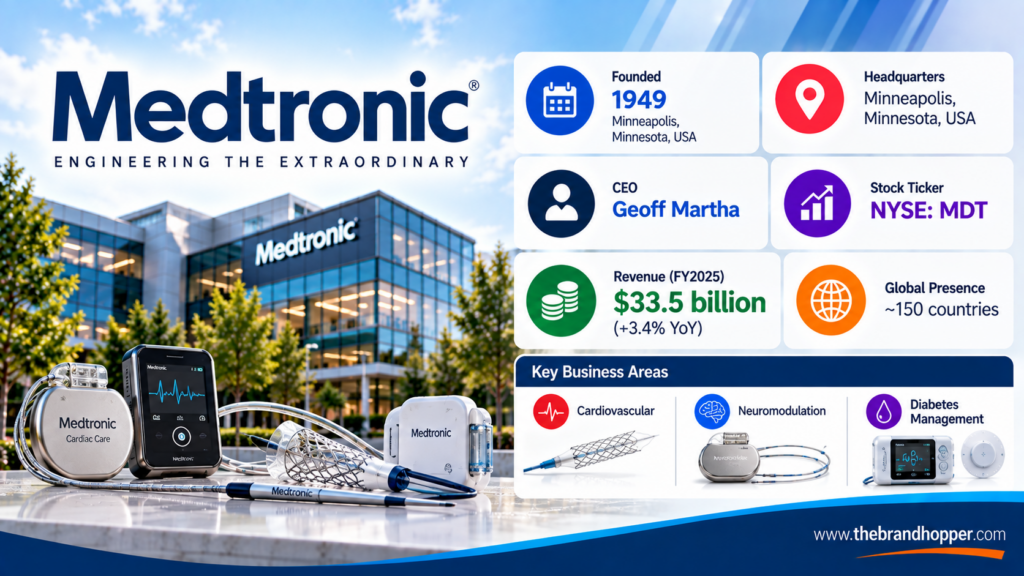
Medtronic plc, incorporated and headquartered in Galway, Ireland, with major operations and a long-established presence in Minneapolis, Minnesota, is one of the world’s largest medical-technology companies. In fiscal 2026, ended April 24, 2026, Medtronic reported $36.36 billion in revenue, up 8.4% on a reported basis and 5.8% organically, representing its strongest annual top-line growth in a decade. Its Cardiovascular portfolio generated $13.98 billion, up 12.0%, while Neuroscience generated approximately $10.9 billion including Specialty Therapies and Neuromodulation, and Medical Surgical generated $8.82 billion. Medtronic’s growth was led by cardiovascular technologies, including cardiac rhythm management and electrophysiology, as well as surgical, neuroscience and diabetes products. The company is also in the process of separating its Diabetes business, which became a separately listed company called MiniMed Group, Inc. in March 2026.
The J&J–Medtronic competition is concentrated primarily within MedTech, particularly cardiovascular care. Medtronic has major businesses in cardiac rhythm management, structural heart and aortic therapies, coronary and peripheral vascular technologies, and cardiac ablation, while J&J competes through businesses including Biosense Webster’s electrophysiology technologies, Shockwave cardiovascular technologies and Abiomed’s heart-recovery systems. Medtronic’s Cardiovascular portfolio generated $13.98 billion in FY2026, including approximately $6.7 billion from Cardiac Rhythm & Heart Failure and $3.6 billion from Structural Heart & Aortic. In electrophysiology, both companies are competing in the rapidly developing catheter-ablation market, including pulsed-field ablation. J&J reported continued adoption of its VARIPULSE platform, while Medtronic’s Cardiac Ablation Solutions business generated approximately $1.0 billion in FY2025 and continued expanding its pulsed-field-ablation portfolio. The companies also compete in selected structural-heart markets, although their product portfolios are not identical.
In surgical robotics, the competitive landscape has also changed materially. J&J’s OTTAVA Robotic Surgical System received FDA De Novo market authorization in July 2026 for multiple general-surgery procedures, moving the platform from clinical development into the commercial-launch phase. Medtronic’s Hugo RAS System remains its principal soft-tissue robotic surgery platform, with the company submitting additional U.S. filings in 2026 to expand Hugo into general and gynecologic surgery. Medtronic also continues to develop robotic and navigation technologies in spine and cranial procedures, including the Stealth AXiS Surgical System.
Meanwhile, Medtronic’s Diabetes business is being separated from the parent company: MiniMed completed its IPO in March 2026, and in September 2026 Medtronic launched an exchange offer intended to distribute at least 80.1% of MiniMed to Medtronic shareholders. Medtronic’s Neuromodulation portfolio — including spinal-cord stimulation and other therapies — remains a major business with comparatively limited direct overlap with J&J’s current MedTech portfolio.
12. Abbott Laboratories
Website – https://www.abbott.com/
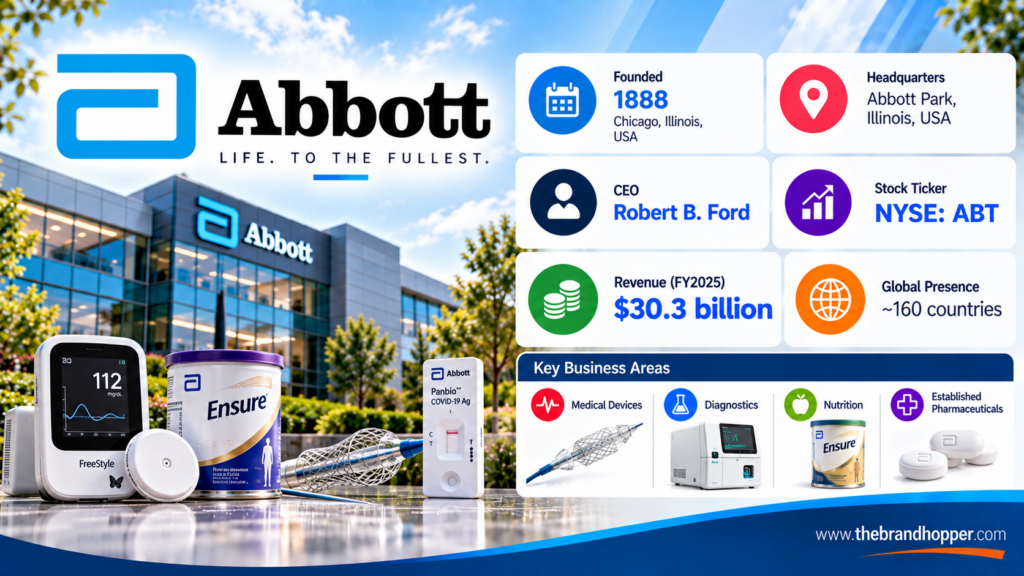
Abbott Laboratories, headquartered in Abbott Park, Illinois, and founded in 1888, is one of the world’s most diversified healthcare companies, operating across Medical Devices, Diagnostics, Nutrition and Established Pharmaceutical Products. In fiscal 2025, Abbott reported $44.33 billion in sales, up 5.7% on a reported basis and 6.7% organically for its underlying base business. Medical Devices was the company’s largest growth engine, with sales increasing 10.4% organically, while Diabetes Care continued to expand rapidly through the FreeStyle Libre continuous glucose monitoring franchise. Abbott’s Medical Devices business includes cardiovascular, diabetes and neuromodulation technologies, while its Diagnostics business spans Core Laboratory, Molecular Diagnostics, Point of Care and Rapid Diagnostics.
Abbott and J&J compete most directly within cardiovascular MedTech, particularly electrophysiology and selected structural-heart markets. Abbott’s Structural Heart portfolio includes MitraClip, TriClip, Navitor and Amplatzer, while its Electrophysiology business includes the EnSite X EP System and a portfolio of cardiac mapping and ablation catheters. In 2025, Abbott’s Structural Heart sales grew 11.5% organically, driven by MitraClip, TriClip and Navitor, while Electrophysiology sales grew 11.6% organically. J&J competes in electrophysiology through Biosense Webster, whose worldwide sales reached approximately $5.63 billion in 2025, and in cardiovascular care through Abiomed and Shockwave, among other technologies. The electrophysiology market is particularly competitive as both companies expand their catheter-ablation portfolios, including pulsed-field ablation technologies.
In diabetes care, Abbott’s FreeStyle Libre CGM franchise is a major global growth business, with Abbott reporting that the Libre portfolio was used by approximately 7 million people and generated $6.8 billion in 2024 revenue, with further growth in 2025. Abbott has also expanded the platform into consumer biowearables through products such as Lingo. J&J’s historical diabetes-device business is no longer part of its portfolio: LifeScan was sold to Platinum Equity in 2018, leaving no comparable J&J CGM franchise today. In diagnostics, Abbott remains a major global competitor through platforms such as Alinity, while J&J’s current business is no longer centered on broad laboratory diagnostics following its strategic shift toward Innovative Medicine and MedTech. J&J MedTech’s current focus is on cardiovascular, orthopaedics, surgery and vision, making Abbott’s Diagnostics business substantially less directly comparable to J&J’s present-day portfolio.
13. Stryker Corporation
Website – https://www.stryker.com/
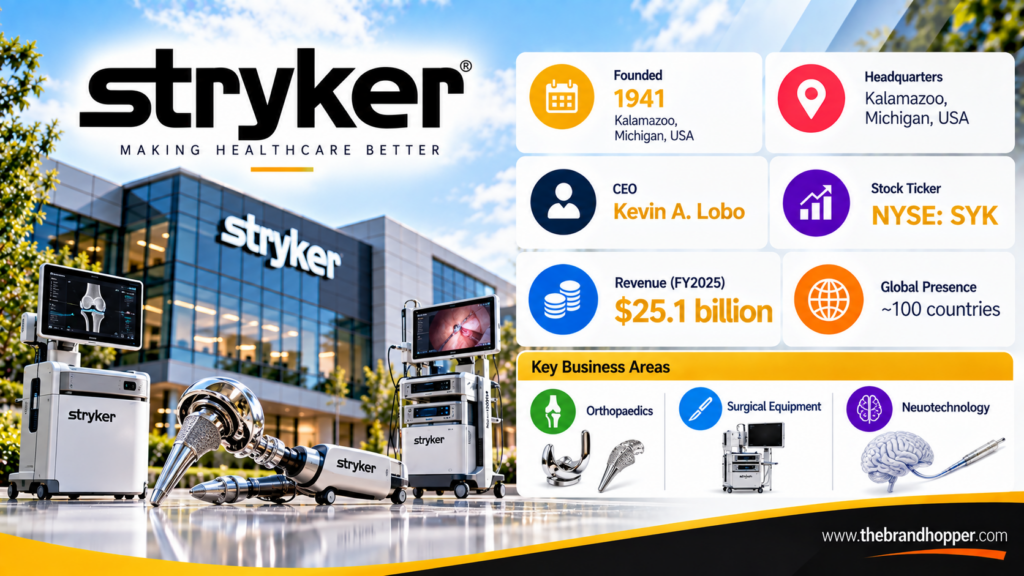
Stryker Corporation, founded in 1941 by Dr. Homer Stryker and headquartered in Portage, Michigan, is one of the world’s largest medical technology companies. In fiscal 2025, Stryker reported net sales of $25.116 billion, up 11.2% on a reported basis and 10.3% organically. The company operates through two reportable segments: Orthopaedics, which generated $9.47 billion in 2025 sales, and MedSurg and Neurotechnology, which generated $15.65 billion. Its portfolio spans joint reconstruction, trauma and extremities, spine, surgical equipment, endoscopy, patient handling, neurovascular and neurosurgical technologies.
Stryker and Johnson & Johnson compete most directly in orthopaedics, particularly joint reconstruction, trauma and spine. J&J’s DePuy Synthes offers a broad portfolio covering hip and knee replacement, trauma, sports medicine and spine, while Stryker competes through products such as its Triathlon Total Knee System, hip reconstruction portfolio and spinal implants. The two companies therefore compete for surgeon preference, hospital contracts and procedural volume across several major orthopaedic categories. Orthopaedics accounted for approximately 38% of Stryker’s total 2025 sales, while its MedSurg and Neurotechnology segment accounted for the remaining 62%.
Surgical robotics is another important area of direct competition. Stryker’s Mako SmartRobotics platform, including Mako 4, has expanded across hip, knee, spine and shoulder procedures and had surpassed 1.5 million procedures globally across 45 countries by early 2025. In July 2026, Stryker also launched Mako RPS in the United States, extending the Mako platform into handheld robotic-assisted total knee replacement. Johnson & Johnson’s DePuy Synthes competes through the VELYS Digital Surgery ecosystem, with the VELYS Robotic-Assisted Solution supporting total and partial knee replacement and VELYS Active Robotic Assistance extending into spine procedures. J&J reported more than 100,000 total knee replacement procedures using VELYS across 31 global markets by 2025.
Stryker’s MedSurg and Neurotechnology portfolio creates additional areas of overlap with Johnson & Johnson MedTech, particularly in surgical technologies and neurovascular intervention. Stryker’s businesses include endoscopy, surgical technologies, neurosurgical systems and neurovascular devices, while J&J competes in surgery through Ethicon and in neurovascular care through its CERENOVUS business. Johnson & Johnson completed the sale of Codman Neurosurgery to Integra LifeSciences in 2017. As a result, the more relevant present-day competitive comparison is between Stryker’s neurovascular and neurosurgical businesses and J&J’s CERENOVUS and surgical technology portfolios.
14. Boston Scientific Corporation

Website – https://www.bostonscientific.com/
Boston Scientific Corporation, founded in 1979 and headquartered in Marlborough, Massachusetts, is one of the world’s largest medical device companies, focused on interventional medical technologies. In fiscal 2025, Boston Scientific reported net sales of $20.074 billion, representing reported growth of 19.9% and organic growth of 15.8%. The company operates through two reportable segments, MedSurg and Cardiovascular, with businesses spanning Endoscopy, Urology, Neuromodulation, Electrophysiology, Cardiac Rhythm Management, interventional cardiology and peripheral interventions. Growth in 2025 was particularly strong in Cardiovascular, led by the continued adoption of its FARAPULSE pulsed field ablation system and WATCHMAN left atrial appendage closure franchise.
Boston Scientific and Johnson & Johnson compete most directly in cardiovascular technology, particularly electrophysiology. Boston Scientific’s FARAPULSE pulsed field ablation (PFA) system has become a major growth driver within its Electrophysiology business, with the company reporting that PFA had become the predominant component of the business’s revenue following its U.S. launch in 2024. In 2025, FARAPULSE received expanded U.S. FDA labeling for the treatment of drug-refractory, symptomatic persistent atrial fibrillation. The technology competes directly with Johnson & Johnson MedTech’s Biosense Webster electrophysiology portfolio, which includes cardiac mapping, diagnostic and therapeutic ablation technologies. J&J reported $5.634 billion in worldwide electrophysiology sales in 2025, underscoring the scale of the competition between the two companies in cardiac rhythm management and AF ablation.
Boston Scientific’s WATCHMAN franchise provides another important cardiovascular overlap with Johnson & Johnson, although it addresses a more specific clinical niche: left atrial appendage closure (LAAC) for stroke-risk reduction in patients with atrial fibrillation. Boston Scientific reported that continued penetration of LAAC procedures with WATCHMAN devices was one of the primary drivers of its 2025 growth. Beyond cardiovascular care, Boston Scientific’s Endoscopy business competes in areas such as gastrointestinal and endoluminal procedures, while J&J MedTech competes through Ethicon and Ethicon Endo-Surgery. Boston Scientific’s Urology and Neuromodulation businesses create additional areas of overlap with J&J’s broader MedTech portfolio, although these are less direct than the companies’ competition in electrophysiology and cardiovascular intervention.
15. Becton, Dickinson and Company (BD)
Website – https://www.bd.com/
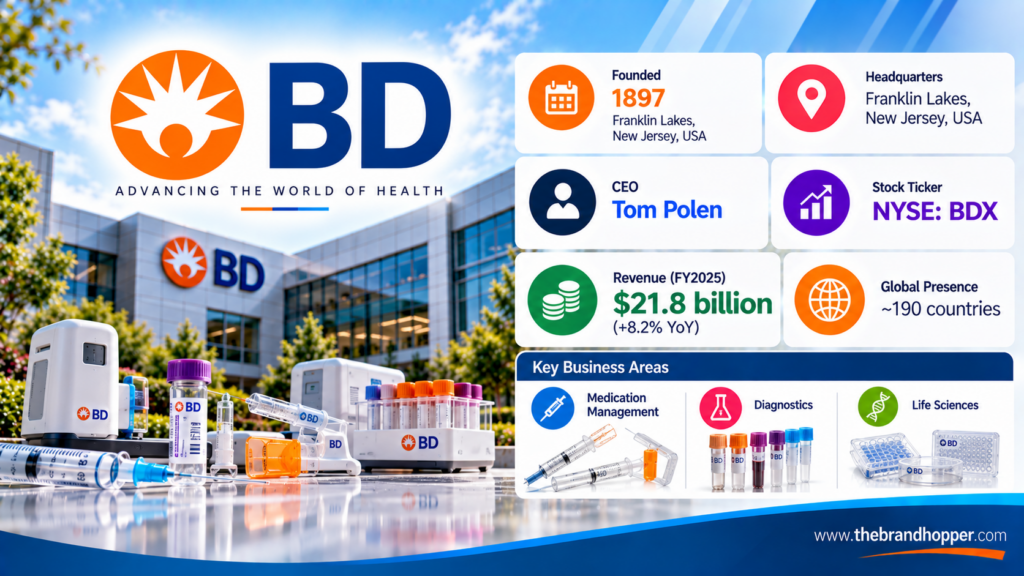
Becton, Dickinson and Company — universally known as BD — is one of the world’s largest medical technology companies, founded in 1897 and headquartered in Franklin Lakes, New Jersey. In fiscal 2025, which ended September 30, BD reported $21.840 billion in worldwide revenue, representing 8.2% reported growth compared with the prior year. However, its underlying organic revenue growth was 2.9%, making the distinction between reported and organic growth important. BD’s portfolio at the end of fiscal 2025 spanned medication delivery, medication management, pharmaceutical systems, patient monitoring, interventional products, urology and surgery.
BD and Johnson & Johnson MedTech compete across several hospital-based medical technology categories, although the overlap is more focused than a direct company-wide comparison. BD’s Medication Delivery Solutions, including syringes, needles and vascular-access products, and its Medication Management Solutions, including the BD Pyxis automated medication-management platform, are deeply embedded in hospital workflows. BD’s current Interventional portfolio also includes peripheral intervention, urology and surgical technologies, creating areas of overlap with J&J’s Ethicon, cardiovascular and other MedTech businesses. BD continues to expand its connected-care and medication-management capabilities, including pharmacy automation and smart-pump technologies, giving it a significant presence in hospital infrastructure alongside J&J’s surgical and procedural businesses.
BD’s competitive profile has also changed significantly in 2026. The company completed the spin-off of its Biosciences and Diagnostic Solutions business and its combination with Waters Corporation on February 9, 2026, meaning products such as BD MAX and BD Veritor are now part of the combined Waters business rather than BD’s continuing operations. BD’s current portfolio is instead organized around Medical Essentials, Connected Care, BioPharma Systems and Interventional, with the latter encompassing peripheral intervention, urology and critical-care and surgical technologies. The company’s 2017 acquisition of C. R. Bard for approximately $24 billion remains strategically important because it substantially expanded BD’s vascular, urology and surgical capabilities, several of which continue within today’s Interventional portfolio and overlap with areas of J&J MedTech.
16. Intuitive Surgical
Website – https://www.intuitive.com/
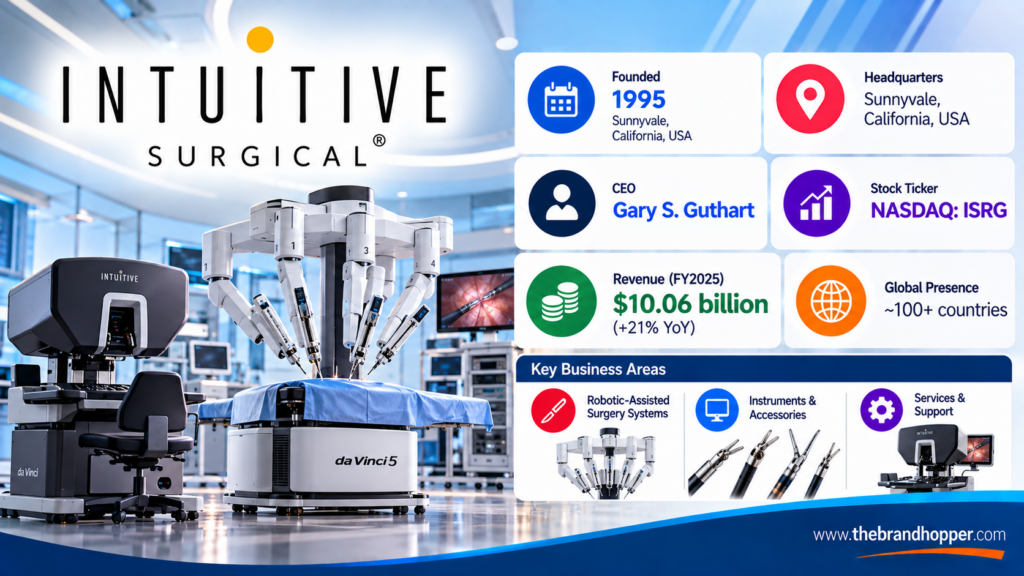
Intuitive Surgical, Inc., founded in 1995 and headquartered in Sunnyvale, California, is the pioneer of robotic-assisted surgery and a global leader in minimally invasive care. In fiscal 2025, Intuitive reported $10.065 billion in revenue, up approximately 21% from $8.352 billion in 2024. The company’s growth was driven by higher da Vinci system placements, increasing procedure volumes and greater utilization of its installed base. During 2025, approximately 3.15 million procedures were performed using da Vinci systems, up 18% year over year, while Intuitive placed 1,721 da Vinci surgical systems, including 870 da Vinci 5 systems. By December 31, 2025, the global da Vinci installed base had reached 11,106 systems, while da Vinci 5 had an installed base of 1,231 systems.
Intuitive Surgical is a major competitor to Johnson & Johnson’s surgical robotics ambitions, with the companies increasingly positioned against each other in soft-tissue robotic-assisted surgery. Intuitive’s da Vinci platform spans general surgery, urology, gynecology, thoracic surgery and other specialties, while J&J has developed OTTAVA as a multi-specialty soft-tissue surgical robot. Importantly, OTTAVA has moved beyond the development stage: in July 2026, the U.S. FDA granted De Novo marketing authorization for the system for multiple general-surgery procedures in the upper abdomen, including Roux-en-Y gastric bypass, gastrectomy, cholecystectomy, gastric sleeve, small bowel resection and hiatal hernia repair. J&J said it would begin a select-customer commercial launch in the United States, while continuing clinical development for additional indications such as inguinal hernia repair.
The economics of this competition extend beyond the initial sale of robotic systems because both companies can generate recurring revenue from their installed bases. Intuitive generated $8.47 billion in recurring revenue in 2025, consisting of instruments and accessories, service and operating-lease revenue, representing approximately 84% of total revenue. Instruments and accessories alone generated $6.02 billion, reflecting the link between procedure volumes and recurring revenue. Intuitive also reported more than 3.1 million da Vinci procedures in 2025, demonstrating the scale of its established clinical ecosystem. J&J’s OTTAVA now provides a newly authorized alternative in soft-tissue robotics, but its commercial installed base and procedure history are still at an early stage compared with Intuitive’s established da Vinci ecosystem.
Frequently Asked Questions (FAQs)
Q1. What is Johnson & Johnson’s revenue?
A: Johnson & Johnson reported $94.193 billion in total revenue in fiscal 2025, representing 6.0% reported growth year over year. Innovative Medicine contributed $60.401 billion, while MedTech contributed $33.792 billion. Key growth drivers in Innovative Medicine included DARZALEX, CARVYKTI, ERLEADA, RYBREVANT/LAZCLUZE, TREMFYA and SPRAVATO, while MedTech growth was driven primarily by electrophysiology products, Abiomed, Shockwave and wound-closure products. J&J subsequently reported $25.3 billion in Q2 2026 sales and raised its 2026 reported-sales outlook to $100.8 billion–$101.4 billion, with a midpoint of $101.1 billion.
Q2. Who are Johnson & Johnson’s biggest competitors?
A: J&J’s key competitors vary substantially by business and therapeutic area. In pharmaceuticals, major competitors include Pfizer ($62.6 billion in FY2025 revenue), Novartis ($54.5 billion), Roche (CHF61.5 billion), Merck & Co. ($65.0 billion), AbbVie ($61.2 billion), Eli Lilly ($65.2 billion), Bristol Myers Squibb ($48.2 billion), and Sanofi (€43.6 billion). In medical technology, important competitors include Medtronic ($36.4 billion in FY2026 revenue), Abbott ($44.3 billion in FY2025), Stryker ($25.1 billion), Boston Scientific ($20.1 billion), BD ($21.8 billion), and Intuitive Surgical (approximately $10.1 billion). These companies do not all compete with J&J across the same products or markets; competition is generally concentrated within particular therapeutic areas, procedures and technology categories. J&J remains unusual in combining substantial pharmaceutical and MedTech businesses under one company.
Q3. What happened after J&J spun off its consumer health business?
A: In 2023, Johnson & Johnson separated its Consumer Health business into Kenvue Inc. (NYSE: KVUE) through a public offering and subsequent exchange offer. The separation was finalized in August 2023, and Kenvue became the standalone company behind consumer brands including Tylenol, Neutrogena, BAND-AID Brand, LISTERINE and Aveeno. J&J subsequently operated as a two-sector healthcare company focused on Innovative Medicine and MedTech. J&J explicitly described the separation as enabling greater focus on Pharmaceutical and MedTech innovation. Kenvue now operates independently and competes in consumer health against companies including Procter & Gamble, Haleon and Bayer’s Consumer Health business.
In November 2025, Kimberly-Clark agreed to acquire Kenvue; the transaction had not closed as of this update.
Q4. How does J&J compete with AbbVie in immunology?
A: Johnson & Johnson and AbbVie compete directly across several important immunology markets, particularly in inflammatory diseases. AbbVie’s Skyrizi (risankizumab) and Rinvoq (upadacitinib) have become the company’s principal immunology growth engines following the decline of Humira, while J&J’s Tremfya (guselkumab) is a major IL-23-based competitor across psoriasis, psoriatic arthritis and inflammatory bowel disease. In fiscal 2025, AbbVie reported $61.160 billion in total revenue, including $17.562 billion from Skyrizi and $8.304 billion from Rinvoq; combined, the two products generated more than $25.8 billion. J&J reported $5.155 billion in Tremfya sales, up 40.5% on a reported basis. Meanwhile, J&J’s Stelara revenue declined 41.3% to $6.078 billion amid biosimilar competition, making the transition toward Tremfya and newer immunology assets increasingly important to the company’s portfolio.
Q5. What is J&J’s Ottava surgical robot?
A: OTTAVA is Johnson & Johnson MedTech’s robotic-assisted surgery system for soft-tissue procedures and is no longer simply an investigational platform. In July 2026, the U.S. FDA granted De Novo marketing authorization for OTTAVA for multiple upper-abdominal general-surgery procedures, including Roux-en-Y gastric bypass, gastrectomy, cholecystectomy, gastric sleeve, small-bowel resection and hiatal hernia repair. J&J has said it will begin a select-customer commercial launch in the United States, while continuing clinical development for additional indications. OTTAVA therefore enters a competitive field that includes Intuitive Surgical’s da Vinci, Medtronic’s Hugo and other robotic-assisted surgery platforms, with Intuitive remaining the established incumbent in soft-tissue surgical robotics.
Q6. How does Eli Lilly compete with Johnson & Johnson?
A: Eli Lilly and Johnson & Johnson overlap primarily in oncology and, more broadly, in pharmaceutical innovation rather than directly competing in Lilly’s dominant Mounjaro and Zepbound markets. Lilly’s Verzenio (abemaciclib) generated $5.723 billion in 2025 revenue and is an important breast-cancer therapy, while J&J’s oncology portfolio includes DARZALEX, ERLEADA, CARVYKTI, RYBREVANT/LAZCLUZE and other therapies targeting different cancers and mechanisms. Lilly’s acquisition of Morphic Therapeutic also expanded its pipeline in inflammatory and fibrotic diseases through integrin-targeting therapies, creating broader overlap with J&J’s immunology ambitions. Lilly reported $65.179 billion in FY2025 revenue, up 45%, driven particularly by Mounjaro ($22.965 billion) and Zepbound ($13.542 billion).
Q7. What makes Roche a major J&J competitor?
A: Roche is one of the most relevant diversified competitors to J&J because it combines pharmaceutical and diagnostics businesses under one corporate structure. Roche generated CHF61.516 billion in 2025 group sales, comprising CHF47.669 billion from Pharmaceuticals and CHF13.847 billion from Diagnostics. Its pharmaceutical portfolio spans oncology, immunology, neuroscience, ophthalmology and other areas, while its Diagnostics division provides laboratory, molecular, pathology and point-of-care technologies. Roche’s oncology portfolio includes products such as Tecentriq, Perjeta, Phesgo and Alecensa, creating significant overlap with J&J’s oncology franchise, although the specific products and mechanisms differ. Roche’s combined pharmaceutical-and-diagnostics model also makes it particularly relevant when analysing J&J’s broader healthcare portfolio, even though the two companies have different business mixes.
Q8. How does Stryker compete with J&J in orthopaedics?
A: Stryker and Johnson & Johnson’s DePuy Synthes compete directly across major orthopaedic categories, including joint reconstruction, trauma and spine. Stryker’s portfolio includes products such as the Triathlon Total Knee System, hip reconstruction technologies and spinal implants, while DePuy Synthes has extensive hip, knee, trauma and spine offerings. The companies also compete in orthopaedic robotics, with Stryker’s Mako SmartRobotics platform competing with J&J’s VELYS Digital Surgery ecosystem, particularly in knee replacement. Stryker reported approximately $25.1 billion in global sales in 2025, while its Orthopaedics business accounted for a substantial portion of the company’s overall revenue.
Q9. What is J&J’s most important pharmaceutical drug?
A: By fiscal 2025 worldwide sales, DARZALEX (daratumumab) was Johnson & Johnson’s largest individual Innovative Medicine product, generating $14.351 billion in sales, up 23.0% from 2024. DARZALEX is a CD38-directed antibody used across multiple treatment settings in multiple myeloma. Other major J&J products include TREMFYA ($5.155 billion) for inflammatory diseases, STELARA ($6.078 billion) amid significant biosimilar pressure, ERLEADA ($3.574 billion) for prostate cancer, IMBRUVICA ($2.823 billion) and CARVYKTI ($1.887 billion), the company’s BCMA-directed CAR-T therapy for multiple myeloma. J&J’s oncology portfolio also includes RYBREVANT/LAZCLUZE, TECVAYLI and TALVEY, reflecting the company’s increasing emphasis on multiple myeloma, prostate cancer and lung cancer.
Q10. What is J&J’s competitive advantage over its rivals?
A: Johnson & Johnson’s competitive position is supported by several documented structural strengths. First, its scale allows substantial investment in innovation: J&J spent $14.665 billion on research and development in 2025. Second, its portfolio spans Innovative Medicine and MedTech, with businesses across oncology, immunology, neuroscience, cardiovascular care, surgery and vision. Third, J&J has articulated a substantial innovation pipeline, targeting more than 20 novel therapies and more than 50 product expansions by 2030. Finally, its scale and balance sheet provide capacity for acquisitions and licensing, illustrated by transactions such as the acquisition of Intra-Cellular Therapies and Halda Therapeutics. These characteristics give J&J exposure to multiple healthcare growth markets while also requiring it to manage distinct pharmaceutical and MedTech development, regulatory and commercialization cycles.
Also Read: Who Challenges Medtronic? 16 Competitors Reshaping MedTech
Conclusion
Johnson & Johnson’s $94.193 billion in 2025 revenue and its two-segment structure — Innovative Medicine ($60.401 billion) and MedTech ($33.792 billion) — make it one of the largest diversified healthcare companies globally. The competitive landscape, however, spans distinct therapeutic and medical-technology markets rather than a single unified industry. In pharmaceuticals, J&J competes across oncology, immunology, neuroscience and cardiovascular/metabolic diseases, while its MedTech businesses compete across cardiovascular care, surgery, orthopaedics and vision. The company entered 2026 with continued momentum: in the second quarter, worldwide sales reached $25.3 billion, up 6.6% year over year, and J&J raised its full-year 2026 sales outlook to approximately $101.1 billion at the midpoint.
The pharmaceutical competitive environment is being shaped by several major industry trends, including the rapid expansion of GLP-1 medicines, the continued growth of immunology therapies and the strong position of cancer immunotherapies. For J&J, its most directly relevant priorities include expanding its oncology portfolio through DARZALEX, ERLEADA, RYBREVANT/LAZCLUZE and CARVYKTI, while strengthening immunology through TREMFYA and next-generation assets such as ICOTYDE (icotrokinra). J&J received U.S. FDA approval for ICOTYDE in March 2026 as the first targeted oral peptide that selectively blocks the IL-23 receptor, while TREMFYA has continued to expand across inflammatory diseases. At the same time, STELARA faces established biosimilar competition: in Q2 2026, J&J identified STELARA as a significant offset to growth in its Immunology business.
In MedTech, several technology categories represent important areas of competition for J&J, including OTTAVA versus da Vinci and other robotic platforms in soft-tissue surgery, Biosense Webster versus FARAPULSE and Abbott in electrophysiology, and VELYS versus Mako in orthopaedic robotics. J&J’s competitive position is also evolving rapidly: in July 2026, OTTAVA received FDA De Novo marketing authorization for multiple upper-abdominal general-surgery procedures, moving the platform from clinical development toward commercial deployment. More broadly, J&J’s combination of Innovative Medicine and MedTech remains a distinctive corporate structure among major healthcare companies, giving it exposure to both pharmaceutical innovation and medical-device technologies while also requiring the company to manage different competitive dynamics, investment cycles and commercialization models across the two businesses.
Also Read: Johnson & Johnson Marketing Strategy: 4Ps & Innovation
To read more content like this, subscribe to our newsletter