Last Updated on July 17, 2026 by Team TBH
Imagine a marketing campaign so powerful it has run for over 27 years, reached more than 120 countries, and is now sponsoring a Formula 1 team and premiering music videos at the Grammys. That’s the ongoing story of Mastercard’s “Priceless” campaign. Launched in 1997 as a single TV commercial, it has become one of the most durable brand platforms in advertising history — and in 2025-2026 alone it expanded into Formula 1, African travel, and a Grammy-night film with singer Noah Kahan. This case study breaks down the strategy behind Priceless, how it evolved, what it’s doing right now, and what marketers can take from it.
| Quick Answer: What is the Priceless Campaign?
• Launched in 1997 by Mastercard and agency McCann-Erickson (creative leads Joyce King Thomas and Jonathan Cranin, under VP of advertising Larry Flanagan). • Tagline: “There are some things money can’t buy. For everything else, there’s Mastercard.” • Now active in 120+ countries as the umbrella for Mastercard’s lifestyle platform, Priceless.com. • Mastercard’s brand value reached $21.1B in Interbrand’s 2025 Best Global Brands report (rank #36, up 14% year-over-year). • 2025-2026 activations include Priceless Africa, Team Priceless with the McLaren F1 team, and a Grammy-night film with Noah Kahan. |
The Birth of “Priceless”: Origins and Initial Concept
In the mid-1990s, Mastercard’s business was, in the words of the executive who led the relaunch, “in a mess.” Larry Flanagan joined as VP of advertising in 1996 and found a brand that had run three different ad campaigns in five years with no consistent identity. Visa had a stronger pull with consumers, banks were issuing fewer Mastercard products as a result, and the company’s advertising was product-focused and emotionally flat.
Mastercard’s leadership went looking for an agency partner and reviewed 35 ideas from five agencies. One early brief called for the tagline “The Future of Money” — a mandate from a CEO who left the company before it shipped. His successor, Robert Selander, didn’t like it either, which freed the marketing team to keep searching.
That search led to McCann-Erickson. Creative director Joyce King Thomas has since described the research at the time as showing consumers saw Mastercard as “ordinary” and “everyday,” and that people generally disliked credit cards, associating them with debt rather than opportunity. The insight McCann landed on flipped that: the purchases you make with a card are forgettable, but the moments those purchases make possible are not. That distinction — between transactional value and emotional value — became the four-line structure that defines every Priceless ad since.
According to Flanagan, when Mastercard’s board first saw pre-launch testing, a competing agency’s concept actually scored better. The team made the call to run Priceless anyway, betting on long-term brand-building over a short-term test score — a decision Flanagan credits as central to the campaign’s staying power.
The initial objectives were straightforward:
- Increase brand awareness and recognition
- Differentiate Mastercard from Visa and American Express
- Create an emotional connection with consumers
- Boost card usage and customer loyalty
None of the people in that room expected the idea to still be Mastercard’s core brand platform three decades later.
Anatomy of the Original “Priceless” Advertisements
The first “Priceless” TV commercial aired in September 1997, featuring a father and son at a baseball game, voiced by actor Billy Crudup and directed by Tony Kay:
Tickets: $28 Hot dogs: $8 Autographed baseball: $45 Real conversation with 11-year-old son: Priceless

The format worked for several reasons: it was simple enough to parody within weeks of airing (people held up hand-lettered “Priceless” signs at ballgames almost immediately), it was universal enough to localize anywhere, and it was emotionally honest in a category — credit cards — that consumers didn’t trust. Flanagan has said Mastercard saw an almost immediate jump in ad awareness, high enough that the company had to “create its own norm” because it was outperforming not just financial-services ads, but advertising generally.
Evolution of the “Priceless” Campaign (1997-2026)
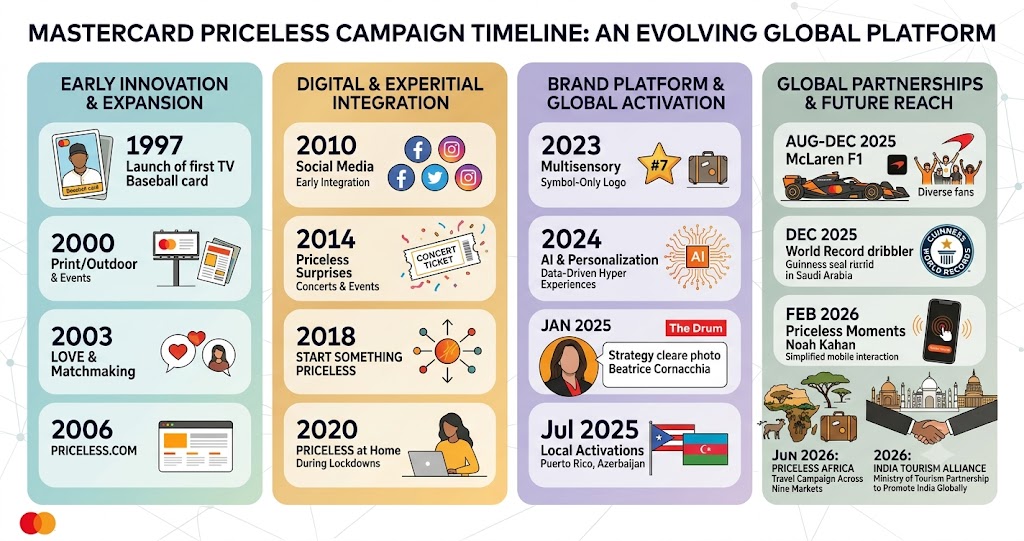
Priceless has stayed relevant by evolving its format every few years without abandoning its core structure. Key milestones:
- 1997 — Launch of the first TV commercial (the baseball ad)
- 2000 — Expansion into print and outdoor advertising
- 2003 — “Priceless Matchmaking” ad series
- 2006 — Launch of Priceless.com featuring user-generated “Priceless” moments
- 2010 — Integration with social media
- 2014 — “Priceless Surprises” experiential marketing (surprise concerts, meet-and-greets)
- 2018 — Launch of the “Start Something Priceless” brand platform
- 2020 — “Priceless at Home” during the COVID-19 pandemic
- 2023 — Mastercard rises to #7 among the most valuable U.S. brands in Kantar BrandZ, crediting the Priceless platform’s “multisensory” evolution (sonic melody, symbol-only logo, restaurants)
- 2024 — AI-driven, hyper-personalized “Priceless” experiences rolled out across touchpoints
- 2025 (Jan) — The Drum profiles Mastercard’s long-term brand strategy, with marketer Beatrice Cornacchia describing why long-running platforms like Priceless remain a deliberate strategic choice
- 2025 (Jul) — Local activations expand: “Esto es PR, Esto es PRiceless” in Puerto Rico and a Priceless campaign in Azerbaijan
- 2025 (Aug-Dec) — Mastercard becomes title/naming partner of the McLaren Formula 1 Team and launches “Team Priceless,” a global fan-access program
- 2025 (Dec) — Mastercard’s “Priceless Dribble” activation in Saudi Arabia earns Mastercard its first Guinness World Records title
- 2026 (Feb) — “Priceless Moments”: a Grammy-night film with singer Noah Kahan premiering his single “The Great Divide,” built around a new “multisensory” concept (visual + haptic feedback when tapping a card)
- 2026 (Jun) — Priceless Africa launches on Priceless.com across nine markets, anchored by the “You Have To Be Here” travel campaign
- 2026 — Mastercard and India’s Ministry of Tourism sign a two-year MoU using the Priceless platform to promote Indian tourism globally.
The expansion from a single TV ad to print, digital, social, experiential and now sports sponsorship and music was never accidental — each new channel reused the same four-line emotional structure, just in a new medium. That consistency is a large part of why the platform has outlived the people who created it.
Global Reach and Cultural Impact
Priceless now runs in more than 120 countries, and Mastercard has consistently localized rather than simply translated it. Recent examples include a soccer-themed “Priceless Dribble” activation in Saudi Arabia (which won Mastercard its first Guinness World Records title), “Esto es PR, Esto es PRiceless” celebrating Puerto Rican culture, a country-specific campaign in Azerbaijan, and the 2026 Priceless Africa rollout across South Africa, Kenya, Morocco, Mauritius, Ghana, Tanzania, Uganda, Rwanda and Zimbabwe.
- Using local languages, dialects and cultural references rather than translated copy
- Featuring region-specific events, sports and traditions (sumo in Japan, football in Brazil and Saudi Arabia)
- Partnering with local celebrities, athletes and musicians
- Building market-specific platforms (Priceless Africa, Priceless.com/TeamMiami) rather than one global template
The phrase “priceless” itself has entered everyday English as shorthand for something invaluable — a level of language penetration few ad taglines ever achieve. Celebrity and athlete partnerships (from Pelé and Neymar to, most recently, McLaren F1 drivers Lando Norris and Oscar Piastri, and musician Noah Kahan) have kept the platform culturally current across generations.
Brand Positioning and Identity Transformation
Before 1997, Mastercard was perceived primarily as a financial-services provider. Priceless repositioned it as a lifestyle brand associated with meaningful experiences rather than transactions — a shift reflected in Mastercard’s brand-value trajectory:
Kantar BrandZ ranked Mastercard the #7 most valuable brand in the U.S. in 2023, citing the Priceless platform’s “multisensory” evolution (its symbol-only logo, sonic melody, and physical spaces like Priceless-branded restaurants) as a key driver
Interbrand’s 2025 Best Global Brands report values Mastercard at $21.1B, ranking it #36 globally and noting a 14% increase in brand value over 2024 — one of the largest gains of any brand in the report
Mastercard’s own figures attribute a 62% increase in purchase volume (to over $1 trillion) and a 52% increase in card circulation (to 559 million cards) to the period since Priceless launched
While competitors like Visa and American Express have historically emphasized rewards, prestige or acceptance network size, Priceless gave Mastercard a distinct emotional territory — “the moments money can’t buy” — that’s difficult for a competitor to occupy without appearing derivative.
The 2025-2026 Playbook: How Mastercard Is Keeping Priceless Fresh
This is the section that didn’t exist in the original version of this article — and it’s arguably the most important update, since it shows Priceless is not a legacy campaign coasting on nostalgia but an active, evolving platform.
Team Priceless x McLaren Formula 1
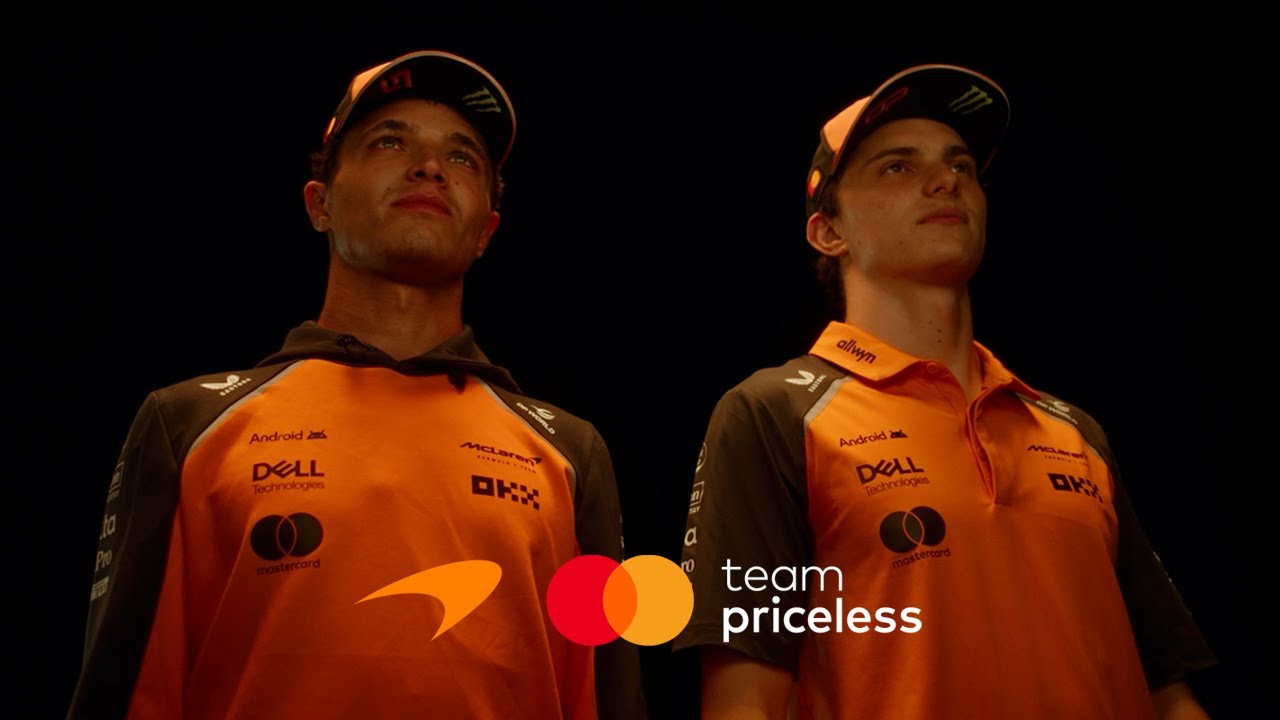
In August 2025, Mastercard became the official naming partner of the McLaren Formula 1 Team for the 2026 season. That partnership is activated through “Team Priceless,” a global fan-access program launched in December 2025 — the first time McLaren has given a naming partner this level of fan access. Four fans per race location travel to five 2026 races (Melbourne, Miami, the U.K., Mexico City and Abu Dhabi), get access to a dedicated “Priceless seat” in the garage, and meet drivers Lando Norris and Oscar Piastri.
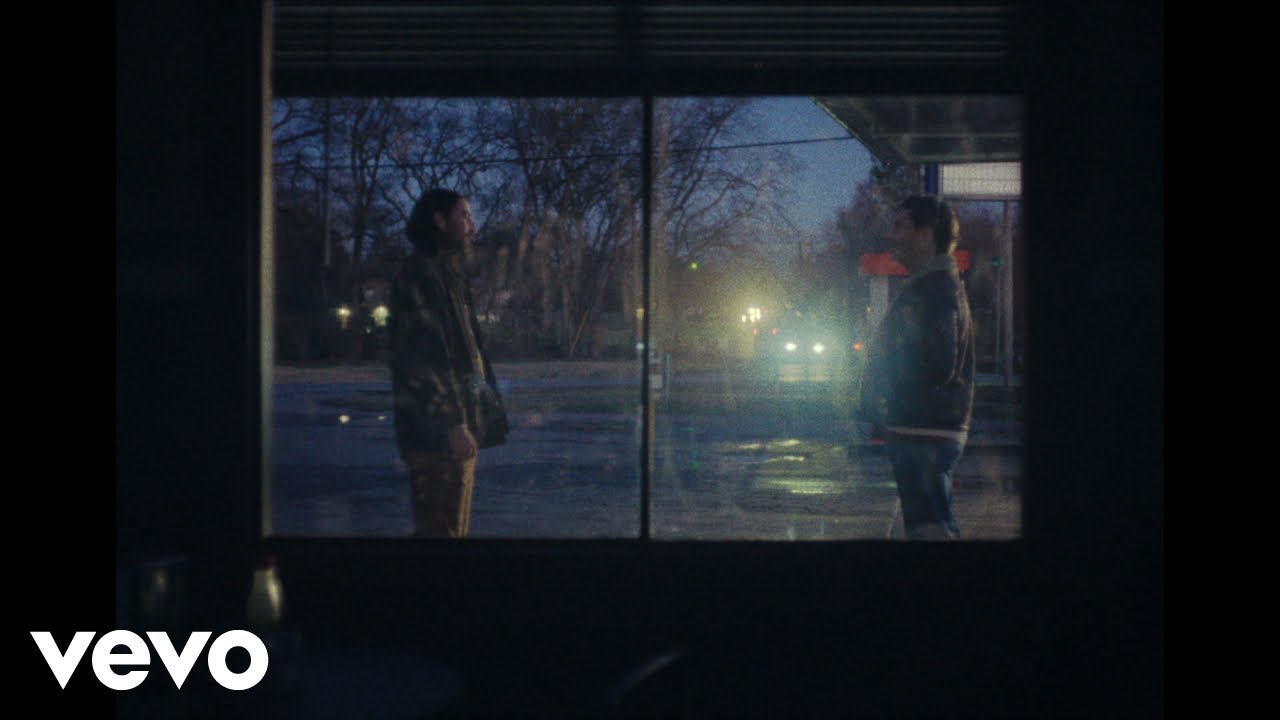
Priceless Moments: the Noah Kahan Grammy film
For the 2026 Grammy Awards, Mastercard co-produced and premiered a music video with two-time Grammy-nominated artist Noah Kahan for his single “The Great Divide,” airing during Mastercard’s commercial block. The campaign introduces a “multisensory” concept Mastercard calls “Haptic Confidence” — a vibration and visual animation cardholders feel and see when tapping their card — extending the emotional “Priceless” idea into the physical act of paying.
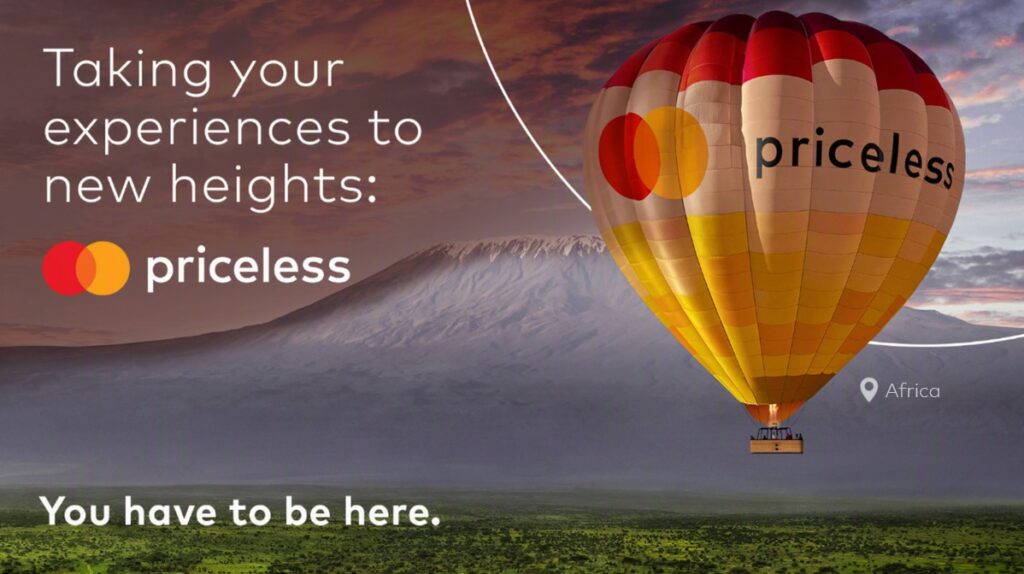
Priceless Africa
In June 2026, Mastercard launched Priceless Africa on Priceless.com, curating travel experiences across nine African markets and anchored by the “You Have To Be Here” creative platform — storytelling and content built to position Africa as a premium travel destination for Mastercard cardholders.
Taken together, these three 2025-2026 initiatives show Mastercard applying the same 1997 insight — sell the experience, not the transaction — to entirely new categories (motorsport, music, travel) rather than simply repeating old ad formats.
Marketing Strategies and Tactics
1. Multi-channel integration: TV, print, digital, social, experiential, sports sponsorship and music now all carry the same emotional structure
2. Emotional marketing: consistently sells experiences and moments, not card features or interest rates
3. Storytelling: every execution is a mini-narrative, which makes the brand memorable without being repetitive
4. Cultural relevance: campaigns are tied to live cultural moments (Grammy Awards, F1 race calendar, regional festivals) rather than running in a vacuum
5. Data-driven personalization: AI-supported, hyper-personalized “Priceless” experiences for individual cardholders since 2024
6. Strategic sponsorship: aligning with properties (McLaren F1, major music artists, culinary events) that reinforce the “experiences over things” positioning
7. Multisensory branding: a distinct sonic melody, a symbol-only logo, physical Priceless-branded spaces, and now haptic (touch) feedback in 2026 executions
Measuring Success: KPIs and Campaign Results
1. Brand awareness: Priceless is credited with driving Mastercard’s brand recognition past 80% globally
2. Brand value: $21.1B, Interbrand 2025 Best Global Brands, global rank #36, up 14% from 2024
3. S. brand equity: Kantar BrandZ ranked Mastercard the #7 most valuable brand in the U.S. (2023 ranking, the most recent published breakout citing Priceless directly)
4. Purchase volume: up 62% (to over $1 trillion) since the campaign’s launch, per Mastercard
5. Card circulation: up 52%, to 559 million cards worldwide, per Mastercard
6. Awards: Cannes Lions, Clio Awards, Effie Awards, and in 2025 Mastercard’s “Priceless Dribble” activation earned its first Guinness World Records title
Challenges and Criticisms
1. Maintaining relevance: keeping a 27-year-old campaign fresh requires continuous new formats — F1, music, AI personalization — rather than repeating the original ad
2. Changing consumer attitudes: as consumers grow more debt-conscious, emotionally marketing credit products draws some criticism
3. Consumerism critique: some critics argue the campaign romanticizes spending by attaching “priceless” meaning to purchases
4. AI and personalization risk: hyper-personalized, AI-generated “Priceless” moments raise data-privacy questions that didn’t exist in the campaign’s earlier decades
5. Global-local balance: each new regional activation (Africa, Puerto Rico, Saudi Arabia, Azerbaijan) has to feel authentically local without diluting the global brand
Lessons for Marketers and Brand Strategists
1. Emotional connection outlasts feature-based advertising — Priceless has survived 27 years of product and technology change because it never sold the product
2. Build a flexible platform, not a single ad — the four-line structure has been reused across TV, print, F1 and music because it was designed to be a system, not a one-off execution
3. Be willing to override research — Mastercard’s team greenlit Priceless despite a competing concept testing better, betting on long-term brand equity over a single test score
4. Localize the insight, not just the language — recent activations in Africa, Saudi Arabia and Puerto Rico adapt the emotional core to local culture rather than translating US ads
5. Keep finding new categories for an old idea — motorsport and music were not part of the original 1997 brief, but both fit the same emotional insight
Frequently Asked Questions
Q. What is Mastercard’s Priceless campaign?
A. Priceless is Mastercard’s long-running brand platform, launched in 1997, built around the idea that some experiences are worth more than the purchases that enable them. It has expanded from a single TV ad into a global platform covering advertising, Priceless.com experiences, sports sponsorship and music partnerships.
Q. Who created the Priceless campaign, and when did it launch?
A. Priceless was created by agency McCann-Erickson for Mastercard, led by creative director Joyce King Thomas and creative partner Jonathan Cranin, under Mastercard VP of advertising Larry Flanagan. It launched with a TV commercial in September 1997.
Q. What does the “Priceless” tagline actually say?
A. The full tagline is: “There are some things money can’t buy. For everything else, there’s Mastercard.” Ads typically list two or three priced items followed by a fourth, unpriced line ending in the word “Priceless.”
Q. Is the Priceless campaign still running in 2026?
A. Yes. In 2025-2026 alone, Mastercard has launched Priceless Africa, become the naming partner of the McLaren Formula 1 Team through “Team Priceless,” and premiered a Grammy-night film with musician Noah Kahan — making it one of the very few 25+ year-old ad campaigns still generating major new activations.
Q. How successful has the Priceless campaign been?
A. Mastercard credits the platform with helping drive brand awareness above 80% globally, a $21.1B Interbrand brand valuation in 2025 (global rank #36, up 14% year-over-year), a 62% increase in purchase volume, and a 52% increase in card circulation since launch.
Q. What awards has the Priceless campaign won?
A. Priceless-related work has won Cannes Lions, Clio Awards and Effie Awards over its run, and Mastercard’s 2025 “Priceless Dribble” activation in Saudi Arabia earned the company its first Guinness World Records title.
Q. Why has the Priceless campaign lasted so long?
A. Because it was built as a flexible platform rather than a single ad — the same emotional structure (transactional cost vs. priceless experience) has been adapted across decades, media formats and, most recently, entirely new categories like Formula 1 and music.
Q. What’s new in the Priceless campaign for 2025-2026?
A. The three biggest 2025-2026 additions are Team Priceless (Mastercard’s McLaren F1 naming partnership and fan-access program), Priceless Moments (a Grammy-night film with Noah Kahan introducing “haptic” multisensory branding), and Priceless Africa (a curated travel platform across nine African markets).
Conclusion
Mastercard’s Priceless campaign remains a rare example of a 1997 advertising idea that is still generating first-of-their-kind activations three decades later — from a Grammy-night film to a Formula 1 naming partnership. Its durability comes from a decision made early on: sell the emotional payoff of a purchase, not the purchase itself. For marketers and brand strategists, Priceless is a working case study in building a platform flexible enough to outlive its original medium, its original agency team, and even the category (credit cards) it was built to sell.